
Albania Architecture
Explore Albania Architecture: Architectural Styles & UNESCO World Heritage Sites
Albania architecture is strongest where fortified towns, Ottoman houses, Byzantine churches, archaeological parks, and 20th-century civic buildings sit inside compact historic centers, castle districts, river valleys, and old road corridors. Stone walls, timber upper stories, tiled or slate roofs, defensive towers, frescoed churches, mosques, and hilltop fortresses give the country its clearest visual pattern.
Berat is the clearest starting point for Ottoman hillside neighborhoods and castle churches, Gjirokastër for stone tower houses and fortress architecture, and Butrint for Greek, Roman, Byzantine, Venetian, and medieval remains.
We spent extended time in Albania, including month-long stays in Berat, Saranda, Shkodër, and Vlora. The strongest architecture trip usually combines one Ottoman hillside city, one stone fortress town, one archaeological site, and one coastal or northern city rather than trying to see every period in one route.
This page contains affiliate links. We may earn a small commission at no extra cost to you.
Albania Architecture at a Glance
Albania architecture is easiest to understand by comparing old towns, archaeological parks, castle districts, religious buildings, and coastal or mountain routes. The best first route combines one Ottoman town, one archaeological site, and one northern or coastal base.
Key architecture points:
- Best starting points: Berat for Ottoman hillside quarters and castle churches, Gjirokastër for stone tower houses and fortress architecture, Butrint for layered archaeological remains, and Shkodër for northern fortifications and religious buildings.
- Core architecture identity: Fortified hill towns, Ottoman houses, Byzantine churches, mosques, bazaars, stone lanes, archaeological parks, castle walls, and mountain defensive buildings.
- Main styles or periods: Ancient Greek and Roman, Byzantine, Ottoman, Venetian and coastal defensive architecture, socialist-era civic architecture, and regional vernacular building traditions.
- UNESCO or heritage anchors: Butrint, the Historic Centres of Berat and Gjirokastra, and Apollonia as a major archaeological site on Albania’s UNESCO Tentative List.
- Main regions or city bases: Southern Albania for Ottoman towns and archaeological parks, northern Albania for fortresses and religious buildings, and the coast for defensive sites, ports, and ancient settlements.
- How to see it: Old-town walks work well in Berat, Gjirokastër, Krujë, and Shkodër, while Butrint, Apollonia, rural monasteries, and mountain sites need more deliberate route planning.
For a first architecture-focused route, combine Berat, Gjirokastër, and Butrint before adding Shkodër, Vlora, Krujë, Apollonia, or smaller mountain sites.
Architectural Styles in Albania
Albanian architecture developed through ancient urban sites, medieval churches and fortifications, Ottoman towns, coastal defensive layers, and 20th-century civic building. The strongest architecture routes connect styles to places rather than treating them as a detached timeline.
Ancient Greek and Roman Architecture
Ancient architecture in Albania survives mainly through archaeological sites rather than complete standing city districts. Butrint and Apollonia preserve theaters, forums, baths, city walls, gates, paved streets, basilicas, and public-building foundations from Greek, Roman, and later urban phases.
Butrint is the clearest site for reading ancient Albania as a layered urban landscape, while Apollonia adds another major archaeological stop near Fier.
Byzantine and Medieval Religious Architecture
Byzantine and medieval architecture is most visible in churches, monasteries, frescoed interiors, apses, domes, stone-and-brick walls, icon screens, and fortified religious districts. Berat Castle is especially useful because churches, frescoes, icons, Ottoman-period houses, and castle walls remain inside the same fortified area.
Berat Architecture gives the strongest city-level view of this layer through the Kala district, church interiors, hillside quarters, and river-facing townscape.
Ottoman Architecture
Ottoman architecture appears most clearly in Berat, Gjirokastër, Krujë, and Shkodër. Houses often combine stone lower floors, timber-framed upper levels, projecting bays, enclosed courtyards, tiled or slate roofs, and narrow streets adapted to steep terrain. Mosques, hammams, bridges, fountains, bazaar streets, and castle districts survive in different degrees across the country.
Berat shows Ottoman urban architecture through hillside neighborhoods and castle districts, while Gjirokastër gives the strongest view of stone tower-house architecture and fortress-dominated urban form.
Venetian and Coastal Defensive Architecture
Venetian and coastal architecture appears through fortifications, harbor approaches, defensive walls, towers, and later additions to older archaeological sites. Butrint preserves Venetian defensive layers within a much older Greek, Roman, and Byzantine site, while the coast around Saranda and Vlora shows how sea routes shaped settlement patterns and defensive positions.
Saranda Architecture is the clearest coastal link for Onhezmus, nearby Butrint, Lekursi Castle, and religious sites, while Vlora Architecture connects coastal architecture with Ottoman, Italian, socialist-era, and independence-period urban layers.
Vernacular and Mountain Architecture
Traditional Albanian houses change with terrain, climate, and local defense needs. Stone lower floors, enclosed courtyards, small windows, timber upper stories, tiled or slate roofs, and tower-house forms show how domestic architecture responded to hillside sites, extended-family living, storage, status, and protection.
Northern Albania adds fortified settlements, stone tower houses, Catholic churches, and mountain defensive forms to the national architecture picture.
Socialist-Era and 20th-Century Architecture
Socialist-era architecture appears in civic buildings, apartment blocks, public squares, monuments, bunkers, and planned urban districts. These buildings form a later layer in Albanian cities, especially where older Ottoman or Italian-period street patterns were reshaped during the 20th century.
This layer is usually secondary on an architecture-first trip, but it explains the sharp visual contrast between old towns, archaeological sites, coastal development, and modern city centers.
Architecture by Region in Albania
Architecture in Albania changes noticeably between southern hill towns, northern fortifications, central route towns, and the Adriatic-Ionian coast. These differences affect route planning because the strongest architecture stops are not concentrated in one city.

Southern Albania
Southern Albania concentrates several of the country’s strongest architecture stops: Gjirokastër, Butrint, Saranda, and the wider route toward Vlora. The region combines Ottoman stone houses, fortified hill towns, castle districts, archaeological parks, Byzantine remains, coastal fortifications, and Ionian route planning.
Choose southern Albania when the trip should connect Ottoman urban form, archaeological sites, and coastal architecture in one route.
Central Albania
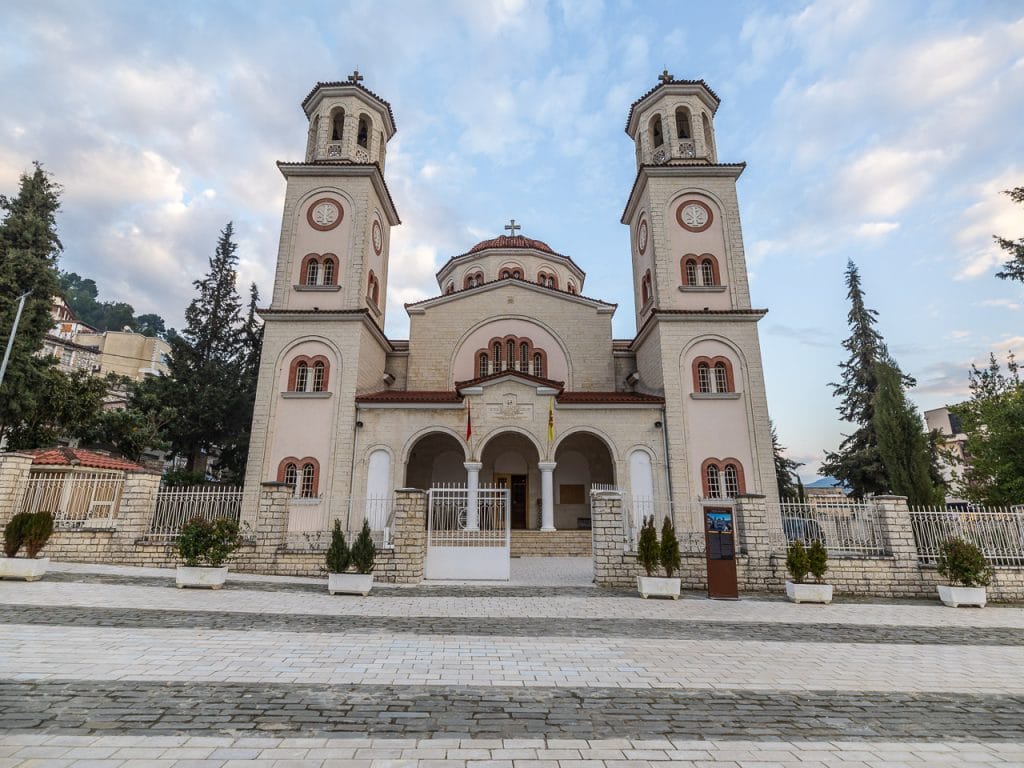
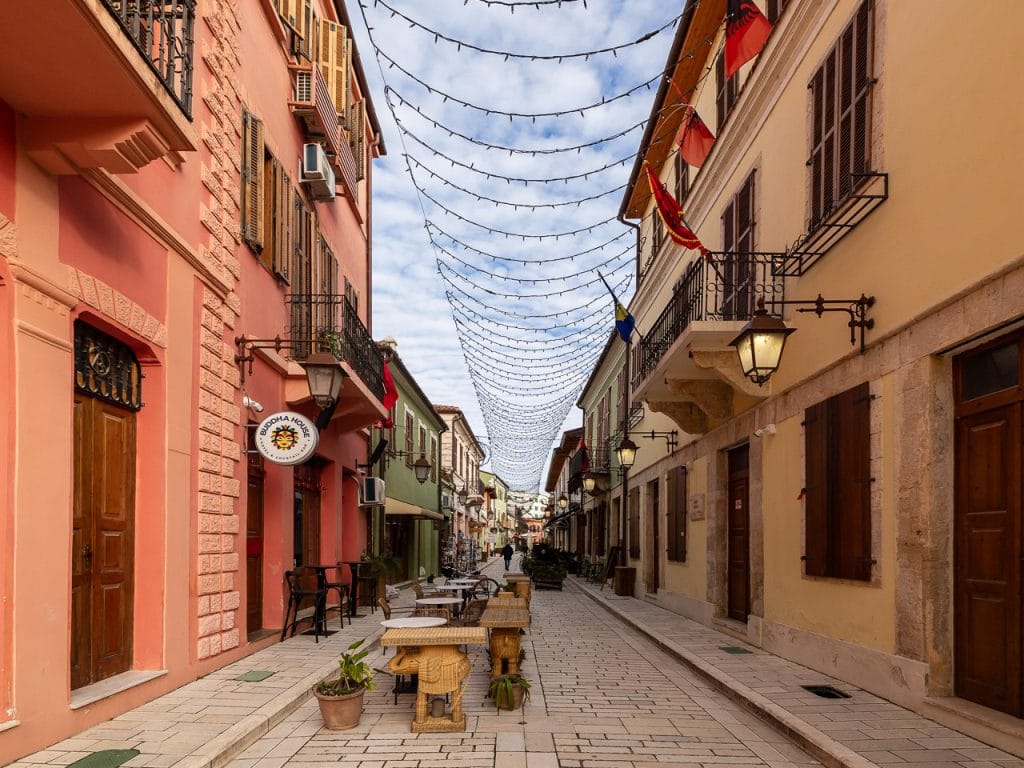
Central Albania is strongest for Berat, Krujë, Elbasan, Apollonia access from Fier, and road-linked historic towns. The architecture includes Ottoman hillside quarters, castle districts, bazaars, mosques, stone streets, archaeological remains, and civic buildings shaped by inland routes.
Choose central Albania when architecture should connect old towns, castles, inland food, wine, and easier travel logistics.
Northern Albania
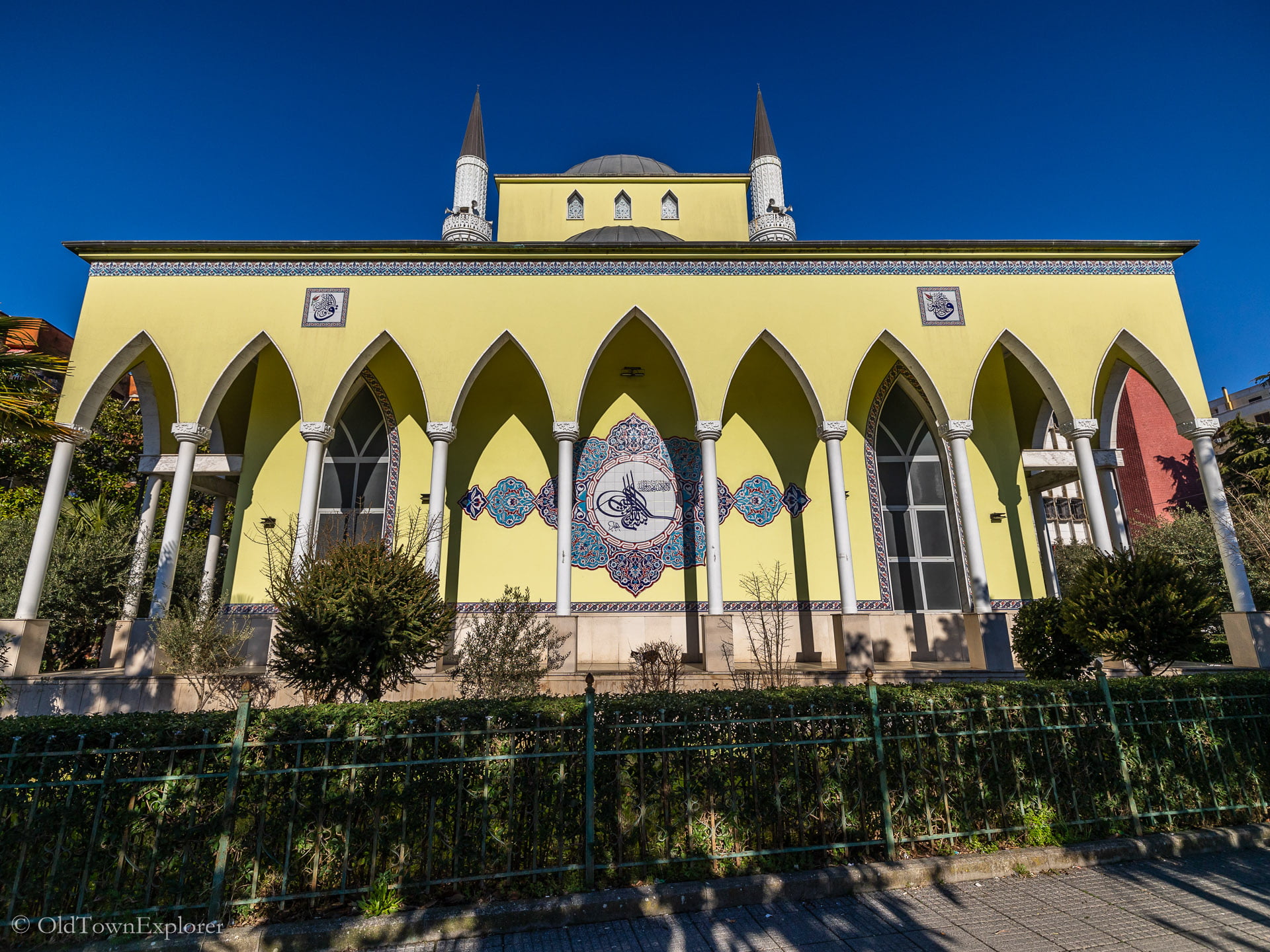
Northern Albania adds a different architecture layer through Shkodër, Rozafa Castle, Catholic and Islamic religious buildings, mountain routes, fortified settlements, and defensive stone architecture. The region is especially useful for understanding Albania’s castle geography and religious building variety.
Shkodër Architecture gives the clearest city-level route into northern fortifications, churches, mosques, and old urban streets.
Adriatic and Ionian Coast
The coast is strongest for defensive sites, port-city layers, sea-facing town plans, archaeological remains, Italian-period traces, and modern urban development. Saranda and Vlora show different coastal patterns: Saranda connects to Butrint, Onhezmus, and hillside castle views, while Vlora links coast, independence history, Ottoman traces, Italian-period buildings, and socialist-era urban form.
Choose the coast when architecture is part of a larger route with seafood, wine, beaches, archaeological sites, and harbor towns.
UNESCO and Major Heritage Sites in Albania
Albania’s most important architecture-relevant heritage anchors are Butrint, the Historic Centres of Berat and Gjirokastra, and Apollonia. Butrint and the Historic Centres of Berat and Gjirokastra are UNESCO World Heritage properties, while Apollonia is a major archaeological site on Albania’s UNESCO Tentative List.
Butrint
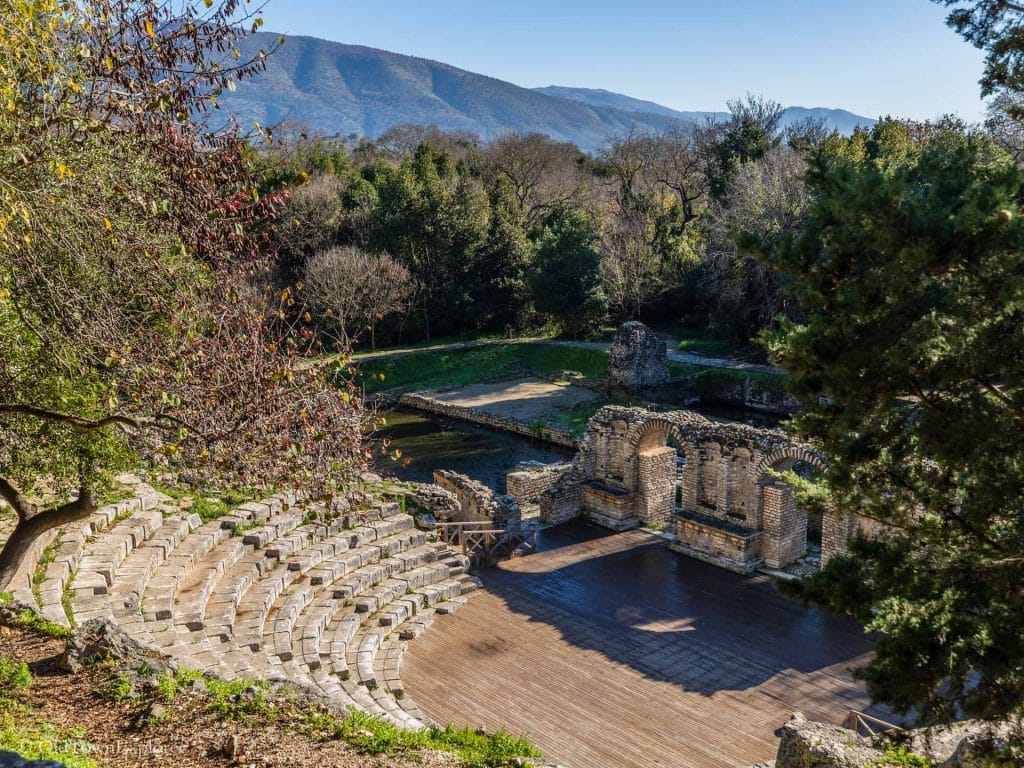
Butrint is Albania’s clearest archaeological architecture site. The ruins preserve Greek, Roman, early Christian, Byzantine, Venetian, and medieval layers inside a wooded archaeological park near the Vivari Channel. Key features include the theater, city walls, gates, baptistery, basilica, forum area, Venetian tower, and castle structures.
The official UNESCO World Heritage Centre page for Butrint describes the site as a repository of ruins representing each period in the city’s development.
Historic Centers of Berat and Gjirokaster
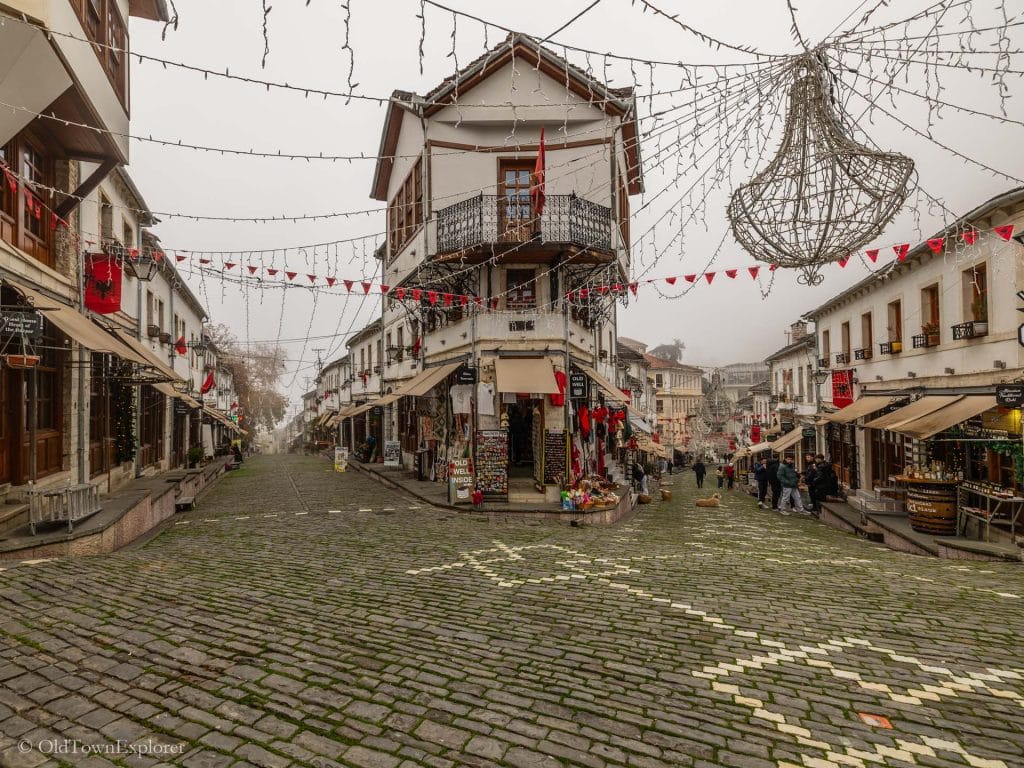
Berat and Gjirokastër are Albania’s strongest UNESCO-listed Ottoman townscapes. Berat combines hillside quarters, whitewashed houses, castle walls, Byzantine churches, Ottoman mosques, stone lanes, and views across the Osum River. Gjirokastër has a different architectural character, with stone houses, slate roofs, steep streets, bazaar architecture, religious buildings, and a large hilltop fortress above the Drino valley.
The official UNESCO World Heritage Centre page for the Historic Centres of Berat and Gjirokastra identifies the towns as rare examples of Ottoman-period architectural character.
Apollonia
Apollonia is one of Albania’s most important archaeological sites for understanding ancient urban architecture outside Butrint. The site near Fier includes Greek and Roman remains, fortification traces, public-building ruins, a monastery setting, and museum collections that help connect ancient city planning with later religious use.
The official UNESCO Tentative List page for the Ancient City of Apollonia places the site in southwestern Albania near Fier and describes its ancient urban importance.
How to See Albania Architecture
Albania architecture is easiest to see through old-town walks, castle districts, archaeological parks, and short route extensions from city bases. Berat, Shkodër, Saranda, and Vlora give the most practical city-level starting points, while Gjirokastër, Butrint, Krujë, and Apollonia add major architecture stops outside the current city cluster.
City Architecture Routes
Berat Architecture is the strongest first route for Ottoman hillside neighborhoods, castle churches, stone lanes, and river views. Shkodër Architecture works better for northern fortifications, religious buildings, Rozafa Castle, and old urban streets. Saranda Architecture connects urban religious sites with nearby Butrint, while Vlora Architecture adds coastal civic layers, Ottoman traces, Italian-period buildings, and socialist-era urban form.
These city routes give the easiest architecture base choices before adding more remote castles, monasteries, archaeological sites, or mountain architecture.
Guided Architecture Tours
Guided tours add the most value at archaeological sites, castle towns, and historic districts where the architecture is spread across several periods. Butrint, Apollonia, Berat Castle, Gjirokastër Castle, and Krujë are stronger with interpretation that connects walls, churches, mosques, houses, gates, museums, and earlier settlement layers.
Guides are most helpful when a site includes ruins, reused stonework, limited signage, layered religious buildings, or defensive structures that are difficult to read from the exterior alone.
Independent Architecture Walks
Independent walks work well in Berat, Gjirokastër, Krujë, Shkodër, and Korçë because streets, facades, rooflines, castle approaches, bazaars, bridges, mosques, churches, and viewpoints can be read from public space. Berat’s Mangalem, Gorica, and Kala districts are especially strong for exterior architecture walks.
Independent routes are best for old-town fabric and exterior viewing, while archaeological parks and museum interiors usually benefit from more context.
Archaeological Sites, Interiors, and Route Planning
Butrint and Apollonia need more time than a single-building visit because the architecture is spread across large sites. Churches, mosques, museums, castles, and archaeological parks may also involve interior access, terrain, signage, ticketing, or route constraints that change by site.
Plan rural fortresses, monasteries, mountain architecture, and archaeological parks more carefully than city-center architecture. Old towns are the easiest architecture stops, while remote sites usually require a car, driver, organized visit, or extra route time.
FAQs About Albania Architecture
What architecture is Albania known for?
Albania architecture is known for Ottoman houses, stone hill towns, castles, Byzantine churches, mosques, bazaars, Greek and Roman archaeological sites, Venetian defensive layers, and mountain tower houses. Berat, Gjirokastër, Butrint, Shkodër, Krujë, and Apollonia are among the clearest places to see these traditions.
What are the main architectural styles in Albania?
The main architectural styles in Albania include ancient Greek and Roman architecture, Byzantine religious architecture, Ottoman urban and domestic architecture, Venetian and coastal defensive architecture, vernacular mountain building, and socialist-era civic architecture.
What are the best cities for architecture in Albania?
Berat and Gjirokastër are the strongest architecture cities for Ottoman townscapes. Shkodër is strongest for northern fortifications and religious buildings, while Saranda and Vlora connect architecture with coastal routes, archaeological sites, and later urban layers.
What UNESCO sites in Albania are most important for architecture?
Butrint and the Historic Centres of Berat and Gjirokastra are the most important UNESCO World Heritage properties in Albania for architecture. Butrint preserves Greek, Roman, Byzantine, Venetian, and medieval remains, while Berat and Gjirokastër preserve Ottoman-period town architecture.
Where should I start with Albania architecture?
Start with Berat if you want the easiest architecture base for Ottoman hillside neighborhoods, castle churches, and old-town walks. Add Gjirokastër for stone tower houses and fortress architecture, then Butrint for Albania’s strongest archaeological architecture site.
Can you see Albania architecture without a car?
You can see a large amount of Albania architecture without a car in old towns such as Berat, Shkodër, Gjirokastër, Saranda, Vlora, and Krujë. A car, driver, or organized visit becomes more useful for Butrint, Apollonia, rural monasteries, remote castles, and mountain architecture.
Which old towns in Albania are best for architecture?
Berat, Gjirokastër, Krujë, and Shkodër are the best old-town starting points for architecture in Albania. Berat and Gjirokastër are strongest for Ottoman town architecture, Krujë for bazaar and fortress context, and Shkodër for northern religious and defensive architecture.
What should I notice in traditional Albanian houses?
Traditional Albanian houses often use stone lower floors, timber upper stories, projecting bays, tiled or slate roofs, enclosed courtyards, small windows, and defensive layouts. In Gjirokastër, large stone houses show how domestic architecture could combine family life, storage, status, and protection.
For broader trip planning, start with Albania. For city-level architecture, compare Berat Architecture, Shkodër Architecture, Saranda Architecture, and Vlora Architecture.