

Discover Life in Lyon: Pros & Cons of Living in France’s Rhône–Saône City
Lyon is France’s third-largest city, set where the Rhône and Saône rivers meet between Paris and the Alps. The pros and cons of living in Lyon become apparent in day-to-day routines like getting around, grocery shopping, finding housing, and handling seasonal changes. Your address can make those routines easier or harder, particularly when hills, river crossings, or street noise enter the picture.
We spent a month in Lyon walking different neighborhoods, riding trams and métro lines, cooking at home, and testing what normal life feels like beyond a weekend visit. For a longer stay, weigh those daily routines alongside Lyon’s food, wine, architecture, and the comfort of the home you can afford.
Living in Lyon at a Glance
Lyon suits people who want markets, restaurants, and historic neighborhoods within reach of daily errands. The main decision is whether an apartment’s location compensates for its stairs, noise, size, or exposure to summer heat.
Key daily-life points:
- Best for: People who enjoy cooking, walking, and city life without driving for every errand.
- Harder for: Drivers needing dependable parking and renters seeking plenty of space in a central location.
- What stands out: Neighborhood food markets, two riverfronts, and métro, tram, bus, and funicular connections.
- Main trade-off: A convenient address can still mean stairs, street noise, or an uncomfortable bedroom in hot weather.
- Scouting priority: Test the commute, grocery walk, and evening noise at the exact address you are considering.
Croix-Rousse’s plateau and its slopes make different demands on a grocery run. Walk the route from the shop to the apartment entrance before deciding that a neighborhood fits your routine.
Pros and Cons of Living in Lyon
Lyon’s advantages are easiest to appreciate when they fit your ordinary week: buying dinner ingredients, getting to work, or walking beside the river. Its drawbacks often depend on the apartment and street, so weigh each point against the places you would actually live and travel.
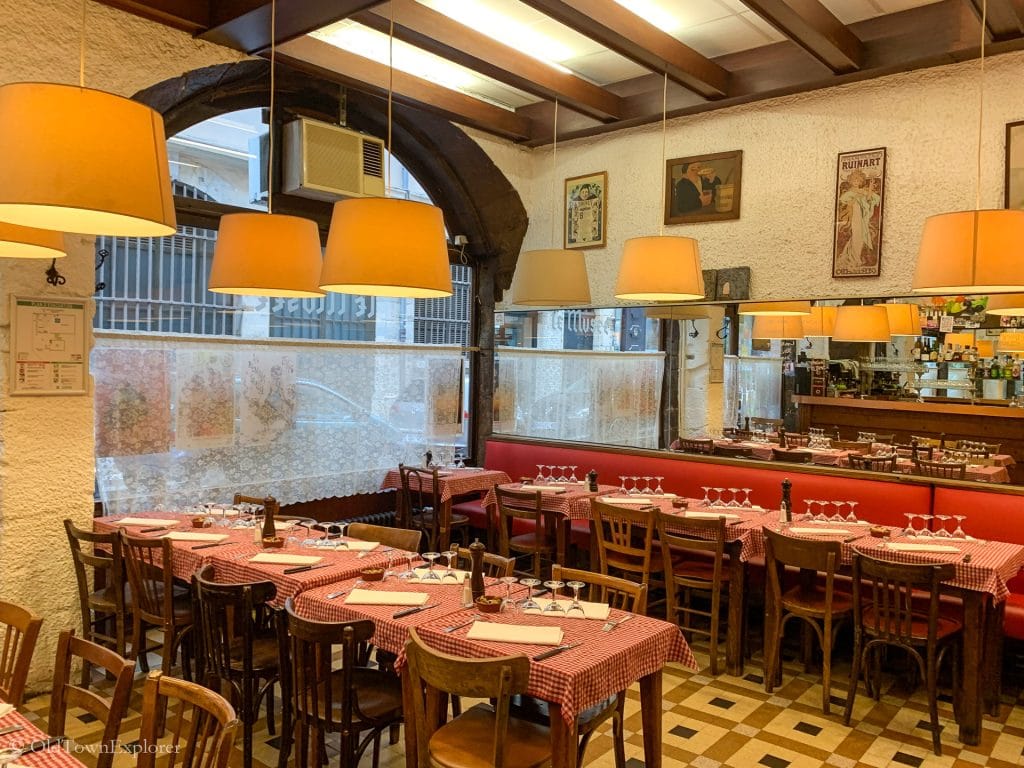
Pro: Excellent everyday food options
Bread, cheese, and fresh produce can be part of an ordinary shopping trip. Markets such as Saint-Antoine and Croix-Rousse sell ingredients for home cooking, so you can build meals around what looks good that morning. Check local opening days before settling on a grocery routine; Lyon Food covers markets and meal choices.
Con: Sundays can feel “closed”
Sunday errands need more planning, particularly later in the day, but food shopping is still possible in the morning. Both Saint-Antoine and Croix-Rousse have Sunday markets. Check your supermarket, bakery, and other shops individually, and buy anything needed for Sunday evening before they close.
Pro: Strong public transit for daily routines
Métro, tram, bus, and funicular services make many daily journeys possible without driving. A direct connection can simplify both commuting and evening plans, while transfers and the walk to the stop change the calculation. Check TCL timetables for your actual hours, including the return trip after dinner or a late shift.
Con: Driving and parking can be a constant hassle
A car adds parking decisions to the usual traffic and river crossings. Before choosing an apartment, price its garage space or check the resident parking conditions for that address. Living farther from the center may change your options, but it can also leave you driving more often for work, shopping, and evenings out.
Pro: Fast train access for weekends away
Direct high-speed trains put Paris within reach for a weekend, while regional services broaden the choice of shorter outings. The practical benefit depends on getting to the departure station as well as the train journey. Compare outward and return options in SNCF timetables, including fares, before making frequent trips part of your budget.
Con: Housing pressure in popular central areas
Competition for rentals can make a narrow search for a central address frustrating. Prepare your application documents before viewings, but keep clear limits on rent, condition, and travel time. Widening the search gives you more properties to compare; judge each one by its total monthly cost and daily journey rather than assuming farther out always means better value.

Pro: Architecture with real day-to-day variety
Renaissance streets in Vieux Lyon, nineteenth-century boulevards, and contemporary buildings in Confluence give ordinary walks plenty of variety. Different neighborhoods can make the journey to a café or shop part of the pleasure of living here. Lyon Architecture covers the buildings to notice; when apartment hunting, check stairs, lifts, and insulation separately from the exterior.
Con: Hills and stairs are part of the routine
On the slopes of Croix-Rousse and Fourvière, a short distance on the map can involve a substantial climb. Carrying groceries, pushing a stroller, or returning with luggage makes that difference more noticeable. Test the route uphill as well as downhill, including any stairs inside the building, and check the transit alternative you would take on a tiring day.
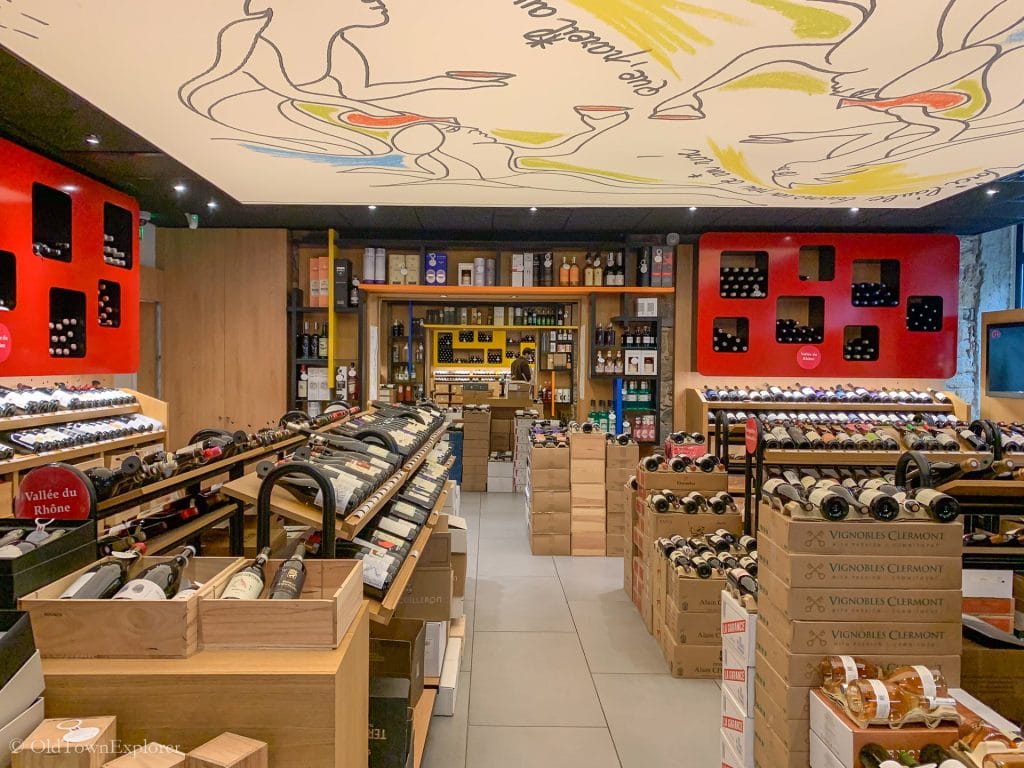
Pro: Wine culture is easy to access without a car
Wine bars and bottle shops bring Beaujolais and Rhône wines into an ordinary evening close to home. You can try different styles by the glass or ask a shop for a bottle to accompany dinner. Lyon Wine covers places to drink and buy; vineyard visits remain a separate outing with their own transport and booking needs.
Con: Tourist season raises crowd levels in specific zones
Busy periods are more noticeable around Vieux Lyon’s main visitor streets and popular riverfront stretches than on every residential street. Crowds can slow a familiar walk or make spontaneous restaurant plans less convenient. If you are considering an apartment beside a busy route, visit on a weekend as well as a weekday to judge the difference.
Pro: Walkable riverfronts for everyday breaks
A walk beside the Rhône or Saône can fit into a lunch break or evening without a journey out of town. The Rhône’s landscaped left bank has space for walking and cycling, making longer outings possible too. Open stretches can feel exposed in wind or summer sun, so check where your nearest access point and shaded alternatives are.
Con: Summer heat can be uncomfortable in older apartments
Hot spells are harder when bedrooms face strong afternoon sun or the apartment cannot cool overnight. Ask about shutters, ventilation, and air conditioning, especially for a top-floor rental. Building age alone will not tell you how comfortable it feels: the bedroom’s exposure and the ability to open windows without excessive noise deserve a close look.
Pro: Good base for car-free living
A home near groceries and suitable transit can remove the need to own and park a car. Walking, cycling, and public transport can cover different parts of the week, rather than relying on one mode for everything. Test the less frequent journeys too: a workplace outside the center, a bulky purchase, or a late return may change the answer.
Con: Noise can be real in lively neighborhoods
Bars, terraces, major roads, and late-night foot traffic can make a convenient address harder to sleep in. Listen from the bedroom with the windows open and closed, and visit after dark if possible. A courtyard-facing room may feel very different from one above a busy street; summer ventilation makes that distinction especially relevant.
Pro: Distinct neighborhoods make it easier to “choose your routine”
The Presqu’île puts central shopping and restaurants close together, while Croix-Rousse combines local shops and markets with hilltop streets. Confluence adds contemporary housing and offices at the peninsula’s southern end. Those differences give you several ways to organize daily life, but the exact street and commute matter more than a neighborhood’s general reputation.
Con: Short winter days can feel heavy
Early darkness leaves less daylight for walks after work, and gray weather can make a dim apartment feel less inviting. If outdoor time matters to you, consider how a winter weekday would work rather than judging Lyon only in summer. Daylight in the main living room and a nearby route for a lunchtime walk can make a difference.
Pro: Everyday eating out can be practical, not just occasional
Bakeries, casual restaurants, and lunch formulas give you alternatives to cooking every meal or booking a long dinner. A weekday lunch menu can fit a different budget and schedule from an evening restaurant meal. Check the menu and serving hours near home or work, and reserve when you want a particular small restaurant rather than counting on a walk-in table.
Con: Some administrative tasks can be slow
Service setup and appointments can take more than one attempt, particularly when you still need documents from another provider or landlord. Keep copies of identification, housing papers, and application correspondence, and leave time between dependent tasks. The Service-Public moving checklist helps organize address changes and other steps relevant to your situation.
Pro: Good balance of big-city services without the scale of Paris
Lyon has universities, hospitals, major shopping areas, museums, and libraries alongside neighborhoods where many errands can stay local. That combination suits people who want city services without arranging daily life across a city the size of Paris. Check the particular service you need, though: a specialist appointment or university campus may still involve a journey across the wider urban area.
Con: Older buildings can mean higher heating needs
A drafty apartment can be uncomfortable in winter even when the location is convenient. Ask about the heating system, what the charges include, and any available previous bills; check the energy performance certificate, or DPE, too. Building age is only a starting point—insulation, windows, floor position, and renovations affect the apartment you would actually occupy.
Pro: Easy access to green spaces for regular exercise
Parc de la Tête d’Or and the river paths give you places for running or a longer walk without planning a day trip. The benefit is greatest when a park entrance or river access lies on a convenient route from home. Try that approach during your normal exercise hours, including the crossings, traffic, and busier stretches along the way.
Con: Cyclists deal with pinch points and traffic mix
A comfortable riverside ride does not guarantee an equally comfortable route to your front door or workplace. Intersections, mixed traffic, and changes between cycle facilities deserve attention before you rely on a bike every day. Check the Métropole’s cycling map, then test the full journey and confirm where you would store the bike at both ends.
Pro: Strong café and bakery culture for daily rhythm
A coffee, pastry, or sandwich run can break up remote work or become a regular stop on the way home. Having a bakery nearby makes small, frequent purchases easy, especially when your kitchen or storage space is limited. Check its closing days and think about how often you want to spend on café stops rather than treating each purchase as occasional.
Con: Grocery prices vary a lot by neighborhood
Your food budget depends on the shops within easy reach as well as what you buy. A small central shop, a larger supermarket, and specialist market stalls will not necessarily price the same basket alike. Compare your usual staples near each prospective apartment, including the time and transit cost of reaching a cheaper alternative.
Pro: Seasonal food is noticeable and useful for home cooking
Changing produce on market stalls gives home cooking a seasonal rhythm without needing elaborate recipes. Buy smaller quantities of fruit and vegetables that suit the meals you actually cook, then compare quality and prices between stalls. Seasonal availability can broaden your choices, but it does not mean every market purchase will cost less than a supermarket equivalent.
Con: Some central apartments trade space for location
A central address may mean accepting smaller rooms, fewer closets, or no balcony to keep within your budget. That matters more when two people work at home or you need space for luggage and household supplies. Compare usable floor space and storage during viewings; a few extra transit stops are worthwhile only if the resulting home and journey suit you better.
Pro: Good “everyday architecture” even outside headline areas
Stone façades, courtyards, and former silk-workers’ buildings give ordinary routes interest beyond the main monuments. In Croix-Rousse, tall windows and high ceilings remain visible reminders of weaving workshops. An appealing building still needs a practical interior check: room proportions, heating, and stair access can matter more over a month than the view from the pavement.
Con: Finding the right neighborhood can take trial and error
Lyon’s daily feel can change between nearby streets, so a neighborhood description cannot tell you whether a particular address fits. Test the commute, grocery options, evening noise, and route home before committing. A short scouting stay helps you compare those routines in person, especially when choosing between a flatter central location and a home on a slope.
Visit Lyon Before Moving
A scouting stay works best when you copy your normal routine: commute at your usual hour, shop for a week of groceries, and check noise levels after 10 pm. Try two different neighborhoods so you can compare hills, river crossings, and how long errands actually take on foot.
If you’re planning a longer move, build time for practical tasks like apartment viewings, phone reception inside older buildings, and testing summer comfort in the late afternoon.
Hotels and Apartments in Lyon Before Moving
Choose a short-stay base near the places you would travel to regularly. An apartment lets you test cooking and grocery storage; a hotel near your likely commute makes it easier to compare routes without committing to a lease.
Use the interactive map below to compare hotels and apartments around the Presqu’île, Croix-Rousse, and your intended métro or tram stops. Check the walk to groceries and the surrounding streets before choosing a base.
Tips for Living in Lyon
Daily life in Lyon gets easier once you match your neighborhood to your routine and plan around the city’s weekly rhythms. Start with the journeys and errands you will repeat most often.
Test your commute first
Run your exact route at peak time before signing a lease. A short distance can still be slow if transfers or crowded crossings are involved.
Check your weekly shopping hours
Pick one main supermarket option and one backup. Check market and Sunday opening hours, and stock evening essentials before your usual shops close.
Check summer comfort indoors
Ask about insulation, window exposure, and whether air conditioning is installed. If it is not, check shutters, ventilation, and whether you can open the bedroom windows comfortably at night.
Try the uphill grocery walk
If you’re on a slope, test a grocery run with real weight. It changes how often you shop and what you carry, so include the climb and any apartment stairs.
Check both trains before booking
For a weekend away, compare the return fare and departure station as well as the outward journey. A convenient train home can matter as much as a cheap ticket out.
FAQs About Living in Lyon
The most useful answers depend on your address, work location, and apartment. Check these points against the routine you expect to keep.
Is Lyon a good city for living without a car?
Yes, particularly when home, work, and groceries are linked by a straightforward walk or transit journey. Test evening and weekend travel too. TCL runs métro services later on Friday and Saturday nights, but a convenient daytime connection does not automatically give you the same return options every night.
What’s the biggest day-to-day downside for many newcomers?
Housing can involve the hardest trade-offs: central convenience, enough space, quiet, and summer comfort may not come together within your budget. Set priorities before viewings and compare the full cost of rent, charges, heating, and transport. The most convenient neighborhood on a map may still contain apartments that do not suit you.
How hard is it to find an apartment in Lyon?
A search can be demanding when the budget, location, and apartment requirements are narrow. Prepare the rental application documents relevant to your circumstances and allow time for viewings. Flexibility on location or floor level gives you more options, but keep firm limits on condition and affordability.
Does Lyon feel crowded?
Some places do, especially Vieux Lyon’s main visitor streets and popular riverfront stretches at busy times. That does not describe every residential street. Visit the exact area during a weekday commute and a weekend evening; foot traffic, terraces, and the position of your bedroom can change how crowded living there feels.
How does the weather affect daily life?
Summer heat makes shade and bedroom ventilation important, while winter brings shorter daylight and a greater need for comfortable indoor space. Check the apartment’s exposure, windows, heating, and energy information. A stay in one season will not tell you everything about how the same rooms feel in another.
