
Syracuse
Food | Wine | ArchitectureExplore Syracuse: Food, Wine & Architecture
Syracuse, or Siracusa, sits on the Ionian coast of southeastern Sicily in Italy. Its old town occupies Ortigia, an island joined to the mainland by short bridges. The cathedral incorporates columns from a Greek temple, while the Greek Theatre stands inland at Neapolis.
In Ortigia, the fish and produce stalls behind the Temple of Apollo are a good place to begin a morning. Stop for a market sandwich at lunch and save time for a seafood dinner in the lanes around Via Roma or along the waterfront.
Syracuse is a good place to taste southeastern Sicilian wines over dinner. Look for Nero d’Avola from the country around Noto and sweet Moscato from Siracusa, then set aside a separate afternoon if you want to visit a cellar.
Drawing on our time in Syracuse and further research, we’ve put together practical advice to help you choose where to stay, how much time to give Ortigia and Neapolis, and which day trips to make without a car.
This page contains affiliate links. We may earn a small commission at no extra cost to you.
Syracuse at a Glance
Ortigia is compact enough to explore between meals. Give Neapolis and the mainland museums their own time so you can see the ancient city from both sides of the bridges.
For a first visit, plan around these choices.
- Best for: Greek ruins, Sicilian Baroque squares, seafood and evenings on the water.
- Best starting area: Piazza Duomo for the cathedral and its surrounding lanes, or the Temple of Apollo if you arrive from the mainland.
- Suggested stay: Two or three nights for Ortigia and the mainland. Add a fourth for Noto or a winery visit.
- Best timing: April, May or October for walking. Choose December for the Santa Lucia celebrations.
- Main trade-off: An Ortigia address puts dinner and the waterfront close by. A mainland base makes driving and parking simpler.
If you have one night, sleep on Ortigia and make Neapolis the main stop the next morning. With two full days, add the Paolo Orsi museum or a visit to Santa Lucia al Sepolcro.
Syracuse Food
Lunch in Syracuse can be as simple as a sandwich near Ortigia’s market or as leisurely as a plate of seafood pasta in a trattoria. Check what fish is available that day before ordering a main course. For a sweet break, try almond granita or a cannolo filled with ricotta.
Our Syracuse Food page introduces Ortigia’s market, local dishes and restaurants for everything from a counter lunch to a longer Sicilian dinner.
Syracuse Wine
Stay in Syracuse for wine with meals and tastings on foot in Ortigia. The countryside toward Noto and Pachino is better suited to a separate cellar visit. Ask for a dry Sicilian white with seafood and look for Nero d’Avola or Siracusa Moscato when you want a bottle from the southeast.
For the wines to order in town and the cellars you can visit from the city, see Syracuse Wine. Our Sicily Wine page compares the southeast with Etna, Vittoria and other wine areas across the island.
Syracuse Architecture
At Piazza Duomo, the cathedral’s Baroque façade faces the square and part of the Greek Temple of Athena survives in its walls. Castello Maniace stands at the tip of Ortigia. Across the bridges, Neapolis has the Greek Theatre, Roman Amphitheatre and limestone quarries. Ortigia and Neapolis are part of the Syracuse and the Rocky Necropolis of Pantalica World Heritage Site. Pantalica itself is an inland excursion.
Our Syracuse Architecture page compares the buildings around Piazza Duomo, the island’s fortifications and the ancient sites on the mainland.
Location of Syracuse
Syracuse is on Sicily’s southeastern coast, south of Catania. Ortigia sits between Porto Grande on the west and the open Ionian Sea on the east. On the mainland, Corso Umberto I leads from the station area toward the bridges, with Borgata Santa Lucia and Neapolis to the north.
Travel north toward Catania for the airport and the railway along Sicily’s east coast. Noto and Avola are south of Syracuse, with Vendicari and Marzamemi farther down the coast. Palazzolo Acreide and the Pantalica necropolis are inland in the Hyblaean countryside.
Best Time to Visit Syracuse
April, May and October are good months for a trip centered on Ortigia’s streets and the ruins at Neapolis. Summer suits a trip that includes beach time, while December is worth considering for the feast of Santa Lucia.
Weather
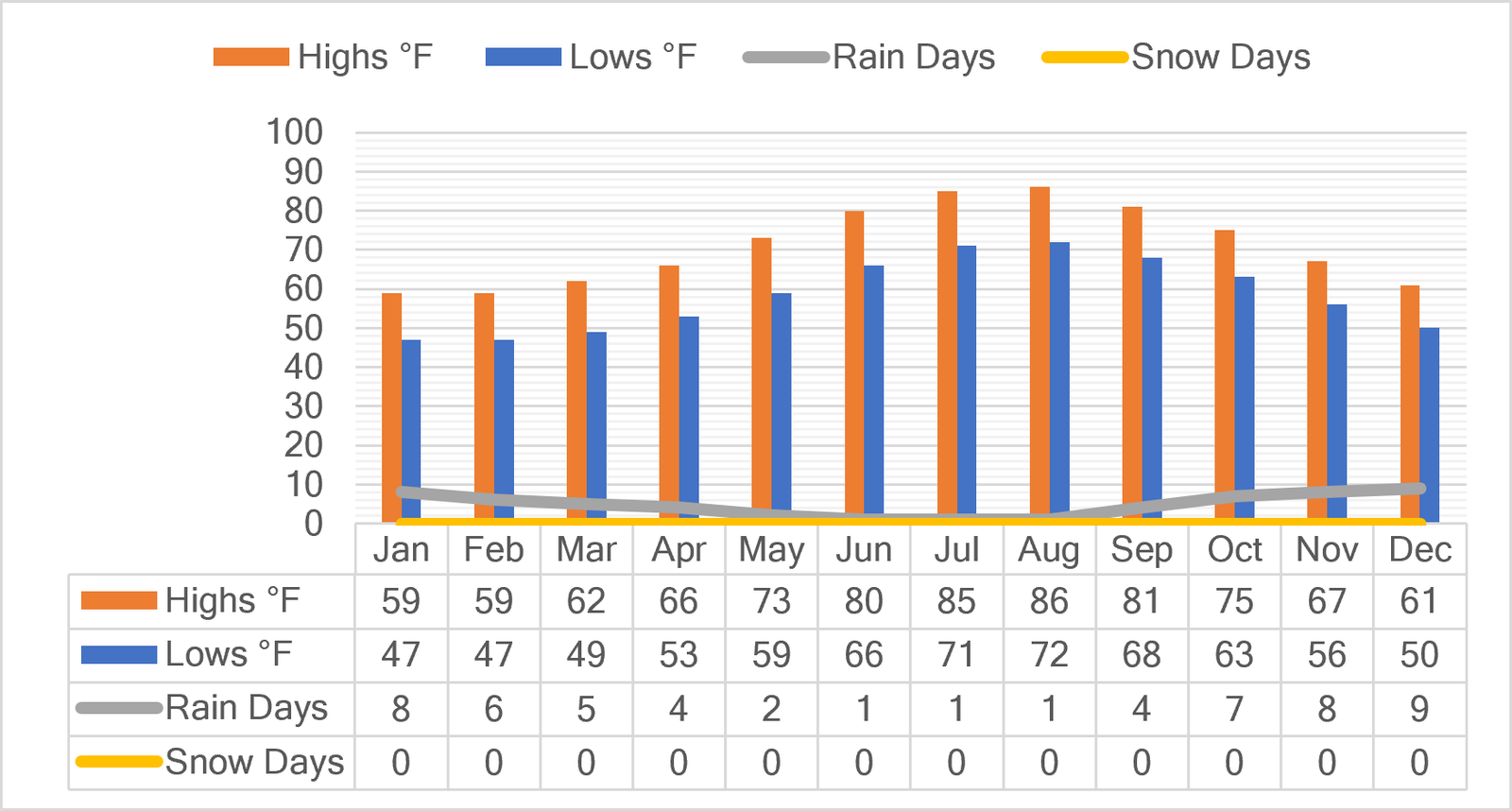
Syracuse has a Mediterranean climate with hot, dry summers and cooler, wetter winters. Typical daytime highs are about 30°C (86°F) in July and August and about 14°C (57°F) in January. In midsummer, put Neapolis early in the day and leave Ortigia’s lanes and waterfront for later.
November and December have shorter days and more rain than summer. Keep a dry morning for the outdoor ruins and check the Paolo Orsi museum hours for a spell of wet weather.
Shoulder Season
Spring and autumn are good for walking across the bridges and spending time outdoors at Neapolis. If you want to see a play in the Greek Theatre, check the INDA performance calendar before choosing spring or early-summer dates. For a December stay, the feast of Santa Lucia traditionally brings processions between the cathedral and the basilica in the Borgata on December 13 and 20.
Best Value
Compare the same kind of room on Ortigia in spring, October and your preferred winter week. For a longer stay, compare the full apartment price, including cleaning and any parking costs. Check December dates near Santa Lucia separately if you want to stay close to Piazza Duomo or Piazza Santa Lucia.
Best Places to Stay In Syracuse
We recommend Ortigia for a first visit centered on walking, food and architecture. Look just across the bridges if you want to divide your time between the old town and the mainland or expect to make several trips from the station.
Hotels and Apartments in Syracuse
Around Piazza Duomo and Via Roma, you can walk to dinner, the cathedral and both sides of the island. Near the Temple of Apollo and the market, you’re closer to the bridges and morning food shopping. If you plan to cook, look for an apartment near the market with enough kitchen space for a full meal.
On the mainland, choose the Corso Umberto I corridor for a position between the station and Ortigia, or look around Borgata Santa Lucia if the mainland churches and Porto Piccolo are part of your plans. Check the walking distance to the bridge you’ll use, especially if you expect to spend most evenings on Ortigia.
Ask about stairs, bedroom position and where a taxi can drop you before booking an Ortigia property. If you’re bringing a car, ask the property about vehicle access and parking before committing to an island address.
Other Things to Know About Syracuse
Search for Siracusa when booking a train or coach. The station and the approaches to the old town are on the mainland, so plan the last leg to your accommodation as well as the trip into the city.
Airport
Catania Fontanarossa Airport is the main airport for Syracuse. Compare Interbus coaches from the airport to Siracusa with trains from Catania Aeroporto Fontanarossa station. For rail, check how you’ll reach the airport station from the terminal and whether your departure requires a change.
Train Station
Siracusa station is on the mainland at the western end of Corso Umberto I. Walk toward the bridges for Ortigia or take a taxi if you have luggage. Check Trenitalia for your date, especially for the services toward Noto and Modica, where some journeys may run by replacement bus.
Time Zone
Syracuse uses Central European Time (CET, UTC+1) in winter and Central European Summer Time (CEST, UTC+2) during daylight saving time.
Currency
Italy uses the euro (€). Carry a payment card and a little cash for small purchases at Ortigia’s market.
Language
Italian is the main language for travel in Syracuse. For a market or restaurant visit, pescato del giorno means the catch of the day and al calice means by the glass.
Visa
Italy is part of the Schengen area. Check the Italian foreign ministry’s entry and visa guidance for your nationality, length of stay and reason for travel.
Electricity
Italy uses 230 V at 50 Hz, with Type C, F and L plugs used in the country. Check which travel adapter suits your devices.
SIM Card
An Italian SIM, a compatible eSIM or an existing roaming plan will cover maps, train searches and restaurant bookings. Check your phone’s compatibility and download an offline map if you’ll be driving into the countryside.
Car Rental
You can visit Ortigia and the main mainland sights without a car. Consider hiring one for Pantalica, Vendicari or countryside winery appointments. Ortigia has a restricted traffic zone, so check the ZTL and parking information and ask your accommodation about access before driving across a bridge. Molo Sant’Antonio is on the mainland near the island entrance.
Day Trips from Syracuse
Choose Noto for a Baroque town you can reach on scheduled services. The inland archaeological sites and the stretch of coast around Vendicari reward a day when you have more control over transport.
Noto and Avola
Noto is the first choice for Sicilian Baroque architecture. Walk up from the station area to Corso Vittorio Emanuele for the cathedral and the palaces of the rebuilt town, part of the Late Baroque Towns of the Val di Noto. Avola is a separate stop on the same rail corridor if you’d rather spend time in a coastal town associated with almonds and Nero d’Avola. Check the return service before adding both in one day.
Pantalica and Palazzolo Acreide
Go to Pantalica for rock-cut tombs and gorge paths. The approach from Ferla is a starting point for the archaeology. Palazzolo Acreide suits a town visit, with Baroque churches in the center and the ancient site of Akrai uphill. Plan vehicle access and allow enough time for whichever inland outing you choose.
Vendicari and Marzamemi
FAQs About Syracuse
A stay on Ortigia puts the cathedral and market within walking distance. Add time for the mainland or a train trip to Noto when you have more than a day.
Is Syracuse the same as Siracusa?
Yes. Syracuse is the English name and Siracusa is the Italian name. Use Siracusa for rail and coach searches in Sicily.
Is Ortigia the same as Syracuse?
Ortigia is the island old town of Syracuse. The railway station, Neapolis and the Paolo Orsi museum are on the mainland.
How many days do you need in Syracuse?
Allow two full days for a first visit. Give Ortigia a day with time for the market, cathedral and waterfront, then spend a separate morning or afternoon at Neapolis and the mainland sites. Add another day for Noto or Pantalica.
Is Syracuse walkable without a car?
Yes. You can walk around Ortigia and cross to the mainland on foot. Neapolis is farther inland, so a taxi can save time or energy if you want to see the park and spend the rest of the day on the island.
Where should you stay for a first visit?
Stay on Ortigia for evenings around Piazza Duomo and walks along the water. The north end near the Temple of Apollo is especially practical if you want the market close by or expect to cross to the mainland several times.
What food should you try first in Syracuse?
Try a sandwich near Ortigia’s market at lunch or order pasta with clams if you want a sit-down meal. For dessert, try almond granita or a ricotta cannolo. See Syracuse Food for more dishes and places to eat.
What local wine should you order in Syracuse?
Look for Nero d’Avola from the southeast with grilled meat, or a dry Grillo with seafood. Ask for sweet Siracusa Moscato with dessert if it’s available by the glass. Syracuse Wine has more on what to order and where to taste.
What architecture should you see first in Syracuse?
Start with the cathedral in Piazza Duomo and look for the Doric columns incorporated into the church. Set aside separate time for the Greek Theatre and Roman Amphitheatre at Neapolis. For more buildings and walking choices, see Syracuse Architecture.
Is Syracuse worth visiting in December?
Yes, especially if you want to spend your time in churches, museums and the old town. Keep the outdoor sites flexible for rain and check the Santa Lucia program if you’ll be there around December 13 or 20.
Can you visit Noto from Syracuse without a car?
Yes. Check trains and replacement buses on Trenitalia and compare scheduled coaches for your date. Allow time to get from Noto’s station to the cathedral and check where the return service departs.
Syracuse Blog Posts
No Results Found
The page you requested could not be found. Try refining your search, or use the navigation above to locate the post.