
Verona
Food | Wine | ArchitectureExplore Verona: Food, Wine & Architecture
Verona sits in the Veneto region of northern Italy, where the Adige River curves around much of the historic center. Piazza Bra and the Arena form the southern gateway, while Via Mazzini leads toward Piazza delle Erbe and the medieval center. Across the river, Veronetta rises toward Castel San Pietro.
Veronese food reflects the rice-growing plain, the Lessini foothills, and Lake Garda. Risotto, polenta, Monte Veronese cheese, pearà, pastissada, and pandoro provide useful starting points, with seasonal produce and regional traditions shaping local menus.
Verona also works as an urban base for several distinct wine areas. Valpolicella lies north of the city, Soave is east, and Bardolino and Custoza extend toward Lake Garda. Because these areas lie in different directions, most travelers should focus on one wine area per day.
We spent a month in Verona. Based on our time there, wider travels in Italy, and further research, this page compares the historic-center layout, food and wine, architecture, seasons, places to stay, and arrival options to help you decide how long to spend in Verona, where to stay, and what to prioritize while you’re there.
This page contains affiliate links. We may earn a small commission at no extra cost to you.
Verona at a Glance
Verona is a compact historic city with enough depth for more than a quick stop at the Arena and Juliet’s House.
Use these points to shape a first visit:
- Best for: Roman monuments, medieval streets and squares, opera, traditional Veneto food, and day trips into several wine areas
- Best starting area: Piazza Bra, followed by Via Mazzini, Piazza delle Erbe, and the lanes toward the Adige
- Suggested stay: Two or three nights for the historic center, evening meals, and one slower day; add time for a wine-country or Lake Garda excursion
- Best timing: Late spring or early autumn for long walking days without relying on midsummer conditions
- Main trade-off: The famous central sights are easy to combine, but an Arena performance, a wine-area visit, and a relaxed old-town itinerary compete for the same limited time
Choose Verona as an overnight base when you want to experience the old town outside the busiest sightseeing hours or connect the city with one nearby wine area.
Verona Food
Verona’s food is grounded in rice, polenta, cheese, meat, and produce from the western Veneto plain and nearby foothills. Look for risotto made with local rice, risotto al tastasal, pearà served with boiled meat, pastissada, Monte Veronese cheese, and pandoro. Some traditional meat dishes use horse, so ask when the menu is unclear.
Central osterie and wine bars make it possible to sample Veronese dishes without leaving the city, while rice mills, dairies, olive-oil producers, and seasonal product routes extend into the province. Our Veneto Food page places Verona’s dishes and products within the wider region.
Verona Wine
Verona is a city base rather than a single wine appellation. Valpolicella and its Amarone, Ripasso, and Recioto wines lie mainly north of the city. Soave and Garganega are east, while Bardolino, Chiaretto, and Custoza connect Verona with the Lake Garda side of the province.
Wine bars provide a useful first comparison, but cellar visits require a choice of direction and often advance arrangements. Within the city, compare a lighter Bardolino or Soave with richer Valpolicella styles before deciding whether a winery day belongs north, east, or west of Verona. Our Verona Wine Country page compares the surrounding appellations, grapes, wine styles, and tasting-area decisions.
Verona Architecture
Verona’s center layers Roman, medieval, Scaliger, Venetian, and later architecture within a walkable river bend. The Arena anchors Piazza Bra; Roman gates and Ponte Pietra reveal the ancient city, while Piazza delle Erbe, Piazza dei Signori, the Arche Scaligere, Castelvecchio, churches, towers, and fortified edges show how Verona changed across later periods.
A useful first route follows the compact sequence from Piazza Bra to Piazza delle Erbe and Piazza dei Signori before continuing toward the Adige and Ponte Pietra. Verona’s historic fabric and fortifications form part of the officially designated City of Verona UNESCO World Heritage property.
Location of Verona
Verona is in western Veneto in northern Italy, on the Adige River between the Po Valley and the Lessini foothills. Lake Garda lies to the west, Valpolicella to the north, and the Soave hills to the east.
The city stands on the main rail corridor between Milan and Venice and on the north–south route toward Trentino and the Brenner Pass. This position makes Verona a practical base for western Veneto, although Lake Garda and the province’s wine areas spread in different directions and should be planned as separate outings.
Best Time to Visit Verona
Late spring and early autumn offer the most balanced conditions for walking, outdoor meals, and architecture, while summer brings hotter weather and the Arena performance season.
Weather
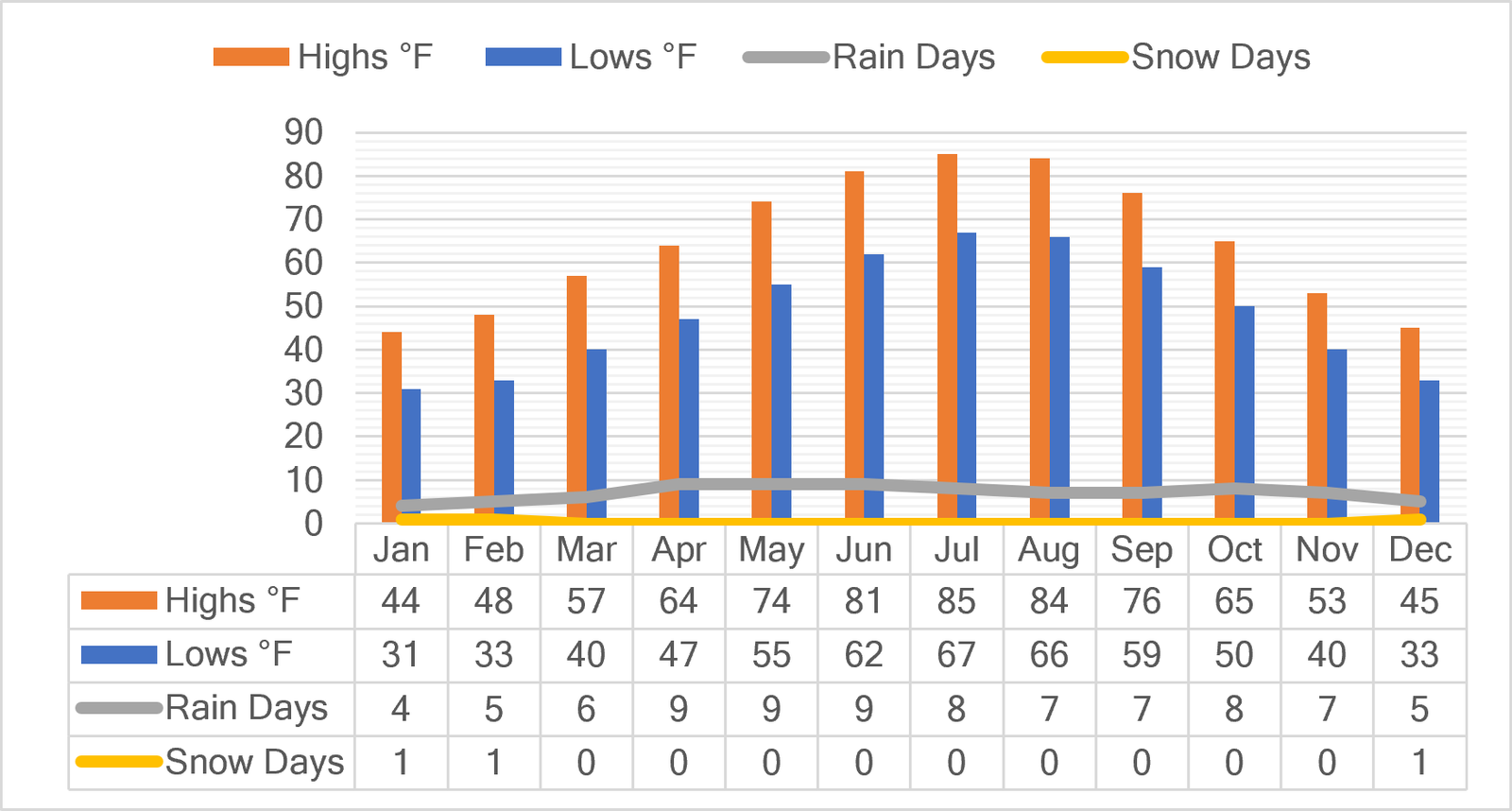
Verona has hot summers and cool winters, with rain possible throughout the year. July and August can make exposed squares and afternoon walks uncomfortable, while winter brings shorter days and a greater chance of cold, damp, or foggy conditions. Spring and autumn are variable, so layers and rain protection remain useful.
Shoulder Season
April through May and September through October generally provide the best balance for long walks through the historic center and day trips into the surrounding hills. Check the current Arena calendar if a performance matters because event dates can affect both the reason to visit and the best place to stay.
Best Value
There is no dependable cheapest season across every hotel or event date. Compare several midweek dates in late spring and early autumn with summer weekends, then weigh the room rate against daylight, weather, and any Arena performance you want to attend. Winter can cost less on some dates, but the trade-off is shorter days and less predictable walking weather.
Best Places to Stay In Verona
For a first visit, the main decision is whether to prioritize maximum old-town convenience or easier access to the railway station and roads outside the restricted center.
Hotels and Apartments in Verona
The Città Antica area between Piazza Bra, Piazza delle Erbe, and the Adige is the simplest base for walking to the principal monuments, restaurants, wine bars, and evening activity. Properties nearest Piazza Bra also work well for Arena performances, although event nights and central streets can be busy.
Veronetta, across the river, provides access to Ponte Pietra and the Castel San Pietro side of the city, with a longer walk to Piazza Bra. The Corso Porta Nuova corridor reduces the distance to Verona Porta Nuova station, but it does not provide the same old-town setting.
Use the map below to compare hotels and apartments near the historic center, Piazza Bra, Veronetta, and the station corridor, then choose a location that fits your walking, transit, luggage, and sightseeing plans.
Other Things to Know About Verona
Airport
Verona Valerio Catullo Airport is the city’s main airport. The Airlink service connects the airport with Verona Porta Nuova station. Check the airport and local transport operator for the current timetable and fare before traveling.
Train Station
Verona Porta Nuova is the main station for high-speed, intercity, and regional services. It is south of the historic center, so allow for a walk, local bus, or taxi when traveling with luggage. Verona Porta Vescovo handles some regional services east of the center.
Time Zone
Verona uses Central European Time and observes Central European Summer Time. Italy changes clocks seasonally with the rest of the European Union.
Currency
Italy uses the euro. Cards are widely useful, but carrying some cash is sensible for small purchases, market stalls, or situations when a payment terminal is unavailable.
Language
Italian is the main language. English is common in many visitor-facing hotels, restaurants, and attractions, but a few basic Italian phrases help in smaller businesses and outside the center.
Visa
Italy is in the Schengen Area. Entry requirements depend on nationality, residence, trip length, and the traveler’s wider itinerary, so confirm the current rules through the European Commission’s visa policy information before departure.
Electricity
Italy uses 230-volt, 50-hertz electricity. Type C, F, and L sockets may be encountered, so travelers from countries with other plug standards should bring a suitable adapter and confirm that each device accepts the local voltage.
SIM Card
Italian prepaid SIM and eSIM options are available, and eligible EU plans may include roaming under the provider’s fair-use terms. Compare activation requirements, data allowances, coverage outside the city, and tethering rules before choosing a plan.
We use Airalo eSIMs. They work great, and I recommend them if you plan to use less than 5 GB of data during your stay or if you need internet immediately on arrival.
Car Rental
A car is unnecessary for the historic center and can be inconvenient because much of it is a restricted-traffic zone. Rent one mainly for rural wine areas or a wider Veneto route, and review the current ZTL and parking guidance before driving toward central accommodation.
In addition to the major car rental companies found in the United States, Sixt and Europcar are common throughout Europe. For a comparison of rental car offers from large, international brands and smaller regional brands, we recommend Discover Cars.
FAQs About Verona
Is Verona worth visiting?
Yes, if you want a compact city that combines Roman remains, medieval streets, major squares, traditional Veneto food, and access to several wine areas. It is especially well suited to travelers who want a walkable historic center without making every day a long sightseeing circuit.
How many days do you need in Verona?
Two full days are enough for a first look at the historic center without reducing the visit to its most famous sights. Three nights provide more room for an Arena performance, slower meals, or one focused day trip.
Can Verona be visited as a day trip?
A day trip can cover Piazza Bra, the Arena area, Piazza delle Erbe, and part of the riverfront. Staying overnight makes it easier to explore before and after the busiest daytime period and to include dinner or an evening performance.
Is Verona walkable?
The central sights are close enough to connect on foot, and walking is usually the clearest way to understand the old town. Expect stone paving, busy pedestrian streets, bridges, and an uphill section if you continue toward Castel San Pietro.
How far is Verona Porta Nuova station from the historic center?
The station is south of the old town rather than inside it. Piazza Bra is reachable on foot or by local bus, but luggage, heat, rain, and the location of your accommodation can make a bus or taxi the better choice.
Do you need a car in Verona?
No car is needed for the historic center, and restricted-traffic rules make central driving less convenient. A car becomes more useful for dispersed wineries, rural producers, or a broader route beyond places served well by rail and bus.
What is the best area to stay in Verona?
Città Antica is the easiest first-time base because the main squares, monuments, restaurants, and wine bars are within walking distance. Stay closer to Corso Porta Nuova if station access matters more, or consider Veronetta for the river’s east bank and the Castel San Pietro side.
What food is Verona known for?
Useful local reference points include risotto al tastasal, pearà, pastissada, polenta, Monte Veronese cheese, and pandoro. Some traditional dishes contain horse meat, so ask before ordering if that is not something you eat.
Which wines are associated with Verona?
Valpolicella, Amarone, Ripasso, Recioto, Soave, Bardolino, Chiaretto, and Custoza all connect to different parts of Verona province. They do not come from one continuous visitor area, so choose a wine zone before planning a cellar day.
Can you visit Verona wine country without a car?
Some wine towns can be reached by train or bus, but rural wineries may be beyond the stop and often require appointments. An organized tour, driver, taxi arrangement, or carefully chosen single-area route can be simpler than combining public transportation with several tastings.
Is Juliet’s House the main reason to visit Verona?
Juliet’s House is one of the city’s best-known attractions, but Verona’s broader appeal comes from its Roman, medieval, and Renaissance fabric. Travelers who focus only on the balcony area miss the Arena, Castelvecchio, major churches, riverside views, and the linked sequence of historic squares.
Should you book the Verona Arena in advance?
Book ahead when a specific opera, concert, date, or seating area matters. The performance calendar changes, and event setup can affect how the interior looks during a daytime visit, so check the official schedule before finalizing your itinerary.
Verona Blog Posts
No Results Found
The page you requested could not be found. Try refining your search, or use the navigation above to locate the post.