

Explore Life in Como: Pros & Cons of Living on Lake Como
Como is a city in Lombardy, northern Italy, at the southwestern end of Lake Como. The pros and cons of living in Como center on having the lake, pedestrian streets, restaurants, and regional transport close to home while managing central housing costs and seasonal crowds. It suits people who want regular time outdoors and varied outings without giving up the shops and services of a working city.
We spent a month in Como in May, walking the historic center, exploring bakeries, eating in old-town osterie, and planning meals around the market rhythm. That month gave us a view of everyday food shopping and central walking routines beyond a brief lake visit. Summer heat, winter comfort, and a specific apartment's noise and transport access deserve separate consideration before choosing a longer-term base.
This page contains affiliate links. We may earn a small commission at no extra cost to you.
Living in Como at a Glance
Central Como puts ordinary errands within reach of lakefront walks, two useful railway stations, and passenger boats. The main housing decision is how much to pay for that convenience and how close to the busiest streets to live.
Key daily-life points:
- Best for: People who enjoy walking, regional wine, hillside hiking, and frequent outings around the lake.
- Harder for: People seeking low central rents, easy doorstep parking, or a lakefront that doubles as an unrestricted swimming beach.
- Car-free fit: Strongest in and around the historic center, where groceries, stations, and boat departures can be reached on foot.
- What stands out: Water is part of normal city life, with separate options for shore walks, scheduled boat journeys, and recreational outings.
- Top trade-offs: Central convenience brings higher housing costs and visitor pressure; warmer and colder seasons change outdoor comfort.
- Scouting focus: Compare the actual walk from an apartment to groceries, Como San Giovanni or Como Lago, and the waterfront.
Como Lago serves trains toward Milano Cadorna, while Como San Giovanni serves a different rail corridor toward Milan and Switzerland. Choose an apartment around the station you expect to use most, rather than treating the two as interchangeable.
Pros and Cons of Living in Como
Como works best as a living base when lake access and regional outings fit comfortably around ordinary errands. Housing location, seasonal crowds, and the balance between walking, trains, buses, and boats matter more to a normal week than proximity to any single attraction.
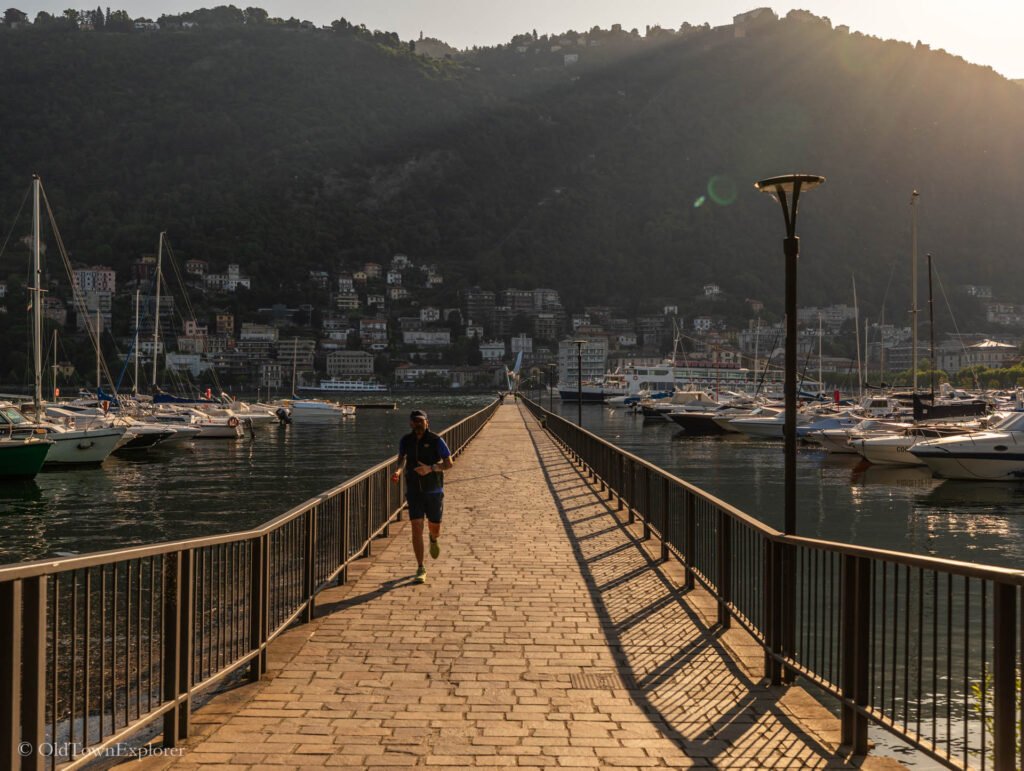
Pro: Lakefront Walks Close to Home
The lake is close enough to central Como to become part of an ordinary morning or evening walk. Shore routes toward Villa Olmo and along the eastern waterfront give you room to spend time outside without organizing a trip out of town, although the busiest central stretches are less relaxing when visitor traffic builds.
Pro: Pedestrian Streets in the Historic Center
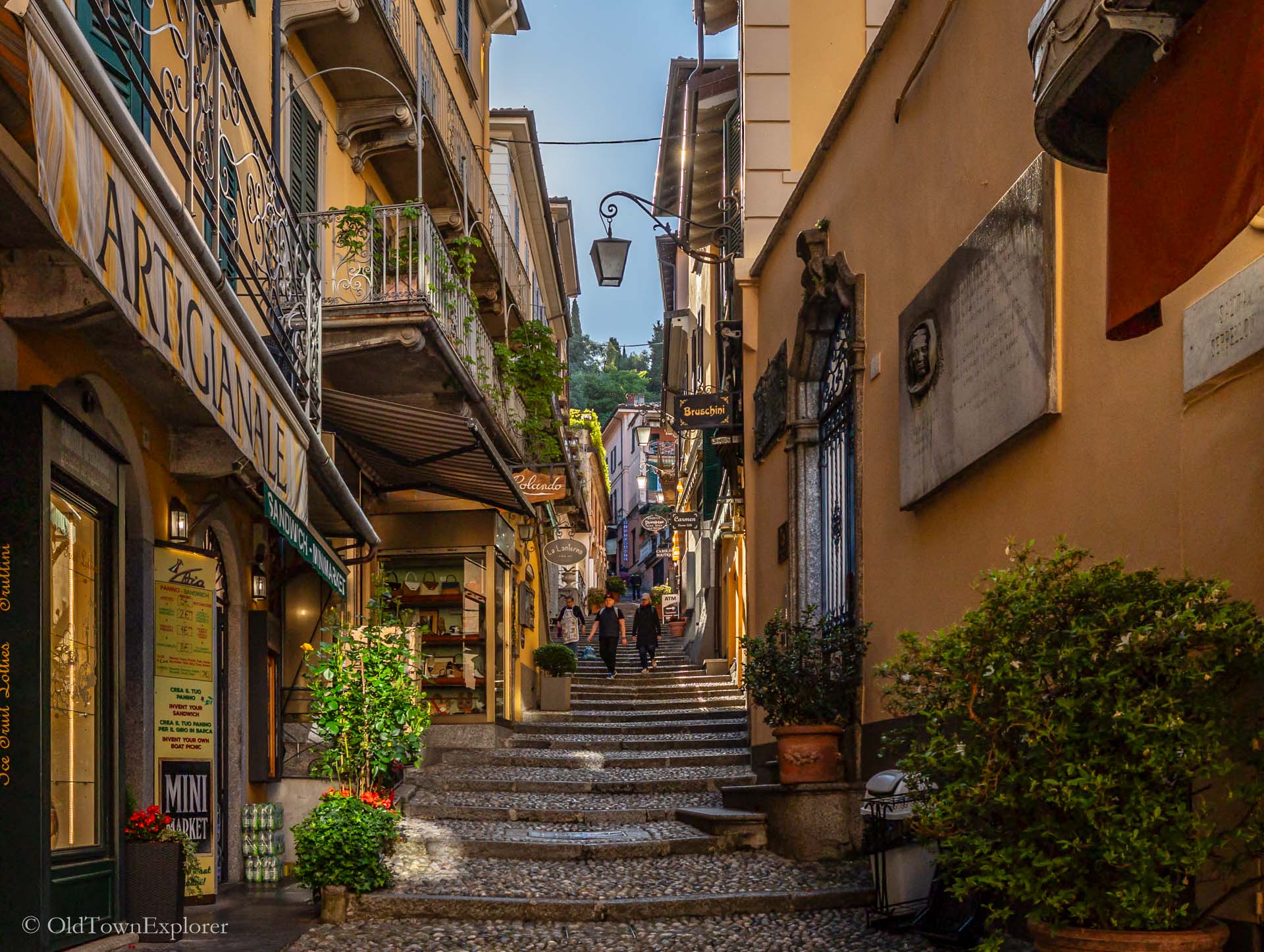
Como's walled center combines pedestrian areas and restricted vehicle access with shops, cafés, and restaurants along compact streets. That makes errands and meals on foot practical from a central apartment, while gates and narrow streets give familiar routes some variety; residents still need to account for authorized vehicles and delivery traffic rather than expecting every street to be completely car-free.
Pro: Passenger Boats to Lake Towns
Scheduled passenger boats make the lake a transport route, connecting Como with other lakeside communities without requiring a car. Living near the central departures helps if these journeys are part of your regular week, but Navigazione Laghi timetables, slower versus faster services, and the last return departure determine which connections are practical in each season.
Con: Higher Rents in the Historic Center
The historic center's convenience comes with higher asking rents than the citywide level in recent rental-market reports. For a longer stay, the important comparison is the full cost of an apartment against the walking and transport time it saves, since furnished monthly rentals and ordinary residential leases can have very different terms.
Con: Peak-Season Tourist Crowds
Summer and holiday visitor traffic can make the central waterfront and boat ticket queues busy. A nearby apartment gives you convenient departures but also places these bottlenecks on your usual walking routes, so anyone who values quiet mornings or spontaneous lake travel should test the area at busy times and allow extra time for boarding.

Pro: Good Lake and City Day Trips
Como gives a longer stay variety through nearby lake communities, Milan, and destinations across the Swiss border. You can alternate an urban outing with a smaller lakeside town instead of repeating the same weekend routine, although farther Lake Como villages may require a full day once outward and return travel are included.
Pro: Convenient Trains to Milan
Como has two useful rail approaches to Milan: services from Como Lago toward Cadorna and from Como San Giovanni toward Centrale and other stops. That broadens access to city shopping, appointments, and onward journeys without driving, but the best station depends on your destination, so use Trenord's route information before choosing a regular travel pattern.
Pro: Strong Restaurant Choices
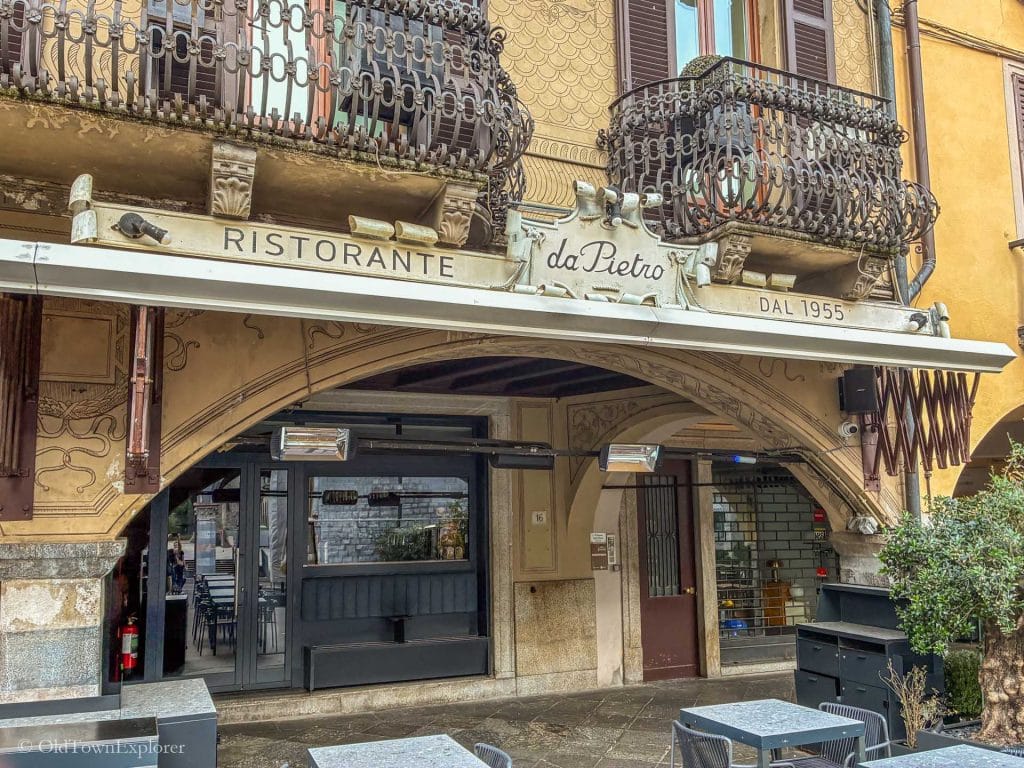
Como has enough restaurant variety to support regular meals out, from traditional osterie in the historic center to more elaborate dining around Borgo Vico and the lakefront. The range makes it easier to vary your weekly routine, though weekend reservations and your dining budget still matter; Como Food covers the individual options.
Pro: Good Lombardy Wine Choices
Como's wine appeal comes from access to regional bottles in restaurants, bars, and shops, with Franciacorta, Valtellina, and other Lombardy regions adding variety. That supports an ordinary aperitivo or dinner at home without a winery excursion, although the city is primarily a place to drink and buy wine; Como Wine covers deeper wine planning.
Pro: Boat Rentals and Lake Outings
Boat rentals and leisure outings let you spend time on the lake itself rather than only walking beside it. This adds a recreational option to a longer stay, particularly for people who want occasional time away from city streets, but weather, rental conditions, and the cost of repeated outings determine how often it becomes part of your routine.
Con: Summer Heat Affects Daily Routines
Como's lakeside setting does not guarantee cool summer days, and warm spells make apartment ventilation and cooling important. Longer walks and uphill errands are easier to schedule earlier in the day, while anyone spending substantial time at home should check the bedroom's sun exposure and cooling arrangements instead of relying on a lake breeze.
Pro: Convenient Central Grocery Shopping
Food shopping does not require leaving the historic center for every purchase, with small supermarkets such as Carrefour Express on Via Boldoni complementing bakeries and specialist shops. That suits frequent shopping on foot, although larger supermarkets outside the old core may be more useful for bulk purchases or a wider selection, depending on where you live.
Pro: Hiking Above the Lake
Brunate and Spina Verde give Como residents access to hillside walking beyond the central streets and waterfront. The funicular offers one way to reach higher ground for a longer outing, while park trails add variety to a regular exercise routine; uneven paths, elevation gain, and wet conditions still make these walks different from an easy promenade stroll.
Con: Cooler Winters Limit Outdoor Living
Winter shifts Como's daily life away from long lakefront evenings and toward shorter outdoor breaks and indoor routines. People choosing the city mainly for sitting beside the water will feel that change most, while a longer winter stay makes reliable heating and a comfortable place to work or relax at home more important than a balcony view.
Con: Swimming Access Takes Planning
Living beside Lake Como does not mean you can swim from any convenient stretch of the city shore. Swimming is prohibited in Villa Olmo park, for example, so frequent swimmers should judge an apartment by its access to a permitted bathing location and check seasonal operation before treating lake swimming as an everyday habit.
Pro: Varied Architecture on Everyday Walks
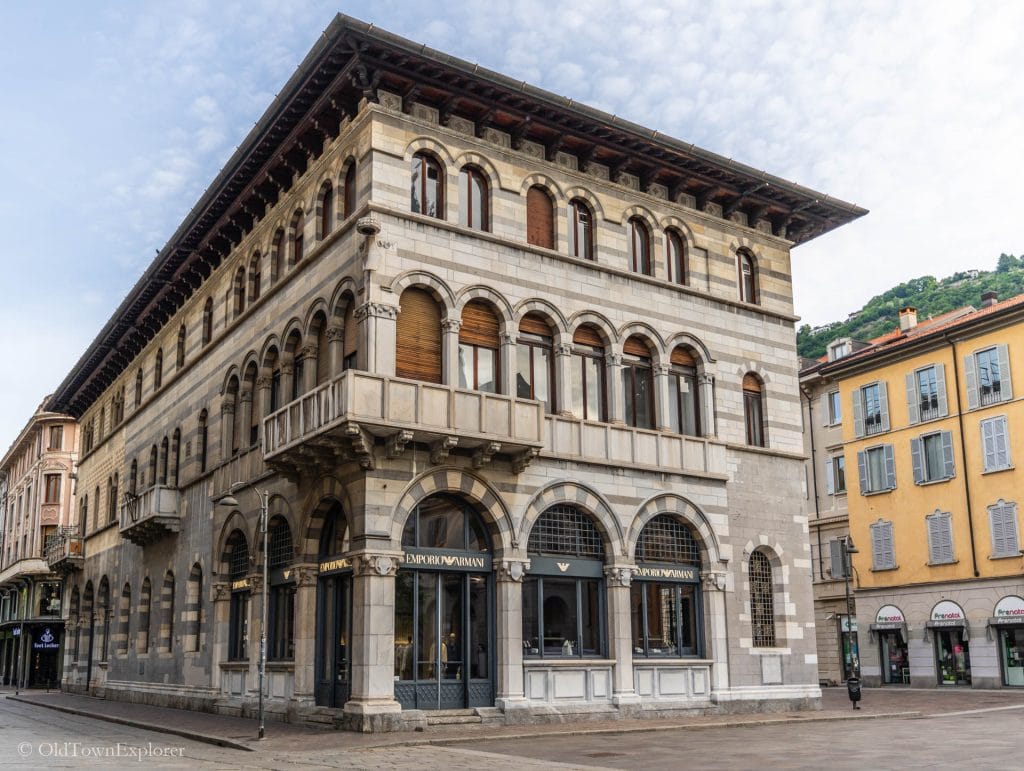
Como's compact center puts medieval walls, church façades, civic buildings, and later architectural styles along ordinary walking routes. These surroundings can make repeated errands more enjoyable for people who care about historic streets, with villas and Rationalist buildings adding variety beyond the old core; Como Architecture covers individual sites without requiring you to visit them all.
Con: Parking and Car Access Take Planning
A central address can simplify walking while complicating life with a car because Como's restricted traffic zone includes the walled center and adjoining areas. Before committing to an apartment, establish where you can park and how luggage or groceries will reach the door, especially if driving will be a frequent part of your week.
Pro: Food Shopping at Mercato Coperto
Mercato Coperto on Via Mentana adds a fresh-food shopping option just beyond the historic center. It gives home cooking a different rhythm from supermarket-only shopping and can fit into a regular walk south of the old town, although stall schedules matter, so check when your preferred vendors trade before building weekly meals around the market.
Pro: Rail Connections to Switzerland
Como's border location gives it rail links into southern Switzerland as well as toward Milan. That makes cross-border outings and onward travel possible from a city base without driving, although service patterns and changes need checking; TILO is a useful starting point for planning journeys rather than assuming every Swiss destination has a direct train.
Pro: Useful Local Bus Connections
Local buses extend Como's practical reach beyond the streets you can comfortably cover on foot. They are useful when a grocery shop, appointment, or residential address sits outside the central walking area, but the value depends on the stop and frequency near your apartment, so check the ASF network for the journeys you actually expect to make.
Pro: Silk and Clothing Shopping
Como combines ordinary clothing shops with specialist silk shopping tied to the city's textile history. Central stores make browsing and occasional wardrobe replacements possible on foot, while outlets beyond the center broaden the choice; the benefit is strongest for people interested in textiles and fashion, since access to specialist products does not automatically mean low prices.
Pro: Lake Fish and Lombardy Specialties
Freshwater fish, polenta, risotto, and regional cheeses give Como's food routines a distinct Lombardy character. They add variety to restaurant meals and shopping for home cooking over a longer stay, although menus and availability differ by season, and preserved lake fish such as missoltini have a stronger flavor that will not suit every palate.
Pro: Workable Malpensa Airport Access
Milan Malpensa is reachable through rail connections, including a transfer at Saronno from the Como Lago corridor to airport services. That keeps flying workable without making a car essential, but it is not a direct airport train from Como, so check airport routes, connection times, and the first or last services before booking an awkwardly timed flight.
Discover Como Before Moving
A scouting stay in Como should include ordinary days at home, grocery runs, and the transport journeys you expect to repeat. Walk your likely routes with shopping bags, spend time near the apartment in the evening, and compare a quiet weekday with a busy weekend before deciding whether central convenience outweighs the visitor traffic.
Hotels and Apartments
Compare the walled center with the area toward Como San Giovanni and the Borgo Vico side of town. Central accommodation puts errands and meals close together, while a station-side address may better suit frequent rail travel; check the exact street, gradient, window orientation, and grocery route rather than relying on the neighborhood name alone.
Use the interactive map below to compare hotels and apartments in the historic center, near Como San Giovanni, around Como Lago and Piazza Cavour, and along Borgo Vico for a stay that tests your likely daily routines.
Tips for Living in Como
Choose a Como address around the journeys and errands you will repeat most often. Small differences in station access, street activity, and apartment comfort can matter more over a month than the view from the front door.
Time Your Regular Walks
Walk from a potential apartment to groceries, the waterfront, and your preferred station before booking a longer stay. Include the trip home carrying shopping, and check whether the route involves a slope or a busy crossing that a short map distance hides.
Check Cooling and Heating
Ask how each room is cooled and heated, then consider which windows receive afternoon sun. A central apartment that works well in May may need different arrangements in midsummer or winter, especially if you spend much of the day indoors.
Test Evening Street Noise
Visit the street during dinner hours and on a weekend, paying attention to nearby restaurant tables, pedestrian traffic, and road noise. Check which way the bedroom faces and whether you can comfortably sleep with the windows closed.
Match Trips to Stations
Check whether your regular journeys work better from Como Lago or Como San Giovanni. For boat outings, save the current departure and return timetable and keep a bus alternative for days when the boat schedule or weather does not suit your plans.
Test Your Swimming Route
If frequent swimming is important, locate a permitted bathing spot and test the journey from your accommodation. Confirm seasonal access separately from the appeal of a nearby waterfront walk, since those two routines can require very different locations.
FAQs About Living in Como
Can you live in Como without a car?
Yes, central Como can work well without a car because shops, stations, and passenger-boat departures sit within a compact area. The answer changes for hillside addresses or frequent journeys outside the main transport corridors, so assess the actual routes from your apartment.
Is Como expensive to live in?
Housing in the historic center can be a substantial expense, with asking rents above the wider city level in recent market reports. Your total budget depends on rental terms, season, meals out, and paid lake outings; compare complete monthly costs rather than assuming every central apartment represents the same value.
Which part of Como is practical for a longer stay?
The historic center suits frequent errands and meals on foot, while the area toward Como San Giovanni is useful for regular rail travel. Como Lago and Piazza Cavour suit lake departures and the Cadorna rail corridor, but street noise and the exact grocery walk still need checking at each address.
Is Como a good base for regular lake outings?
Yes, Como combines scheduled passenger boats with recreational boat options and access to lakeside towns. Farther destinations take longer to reach, and seasonal timetables or poor weather can change the plan, so the convenience depends on where you want to go and how often.
Does living beside the lake mean easy swimming?
No, a lakefront address does not guarantee a nearby place where swimming is permitted. Shore access and seasonal bathing facilities need separate checks, including the journey from home, so frequent swimmers should investigate those details before choosing accommodation.
