
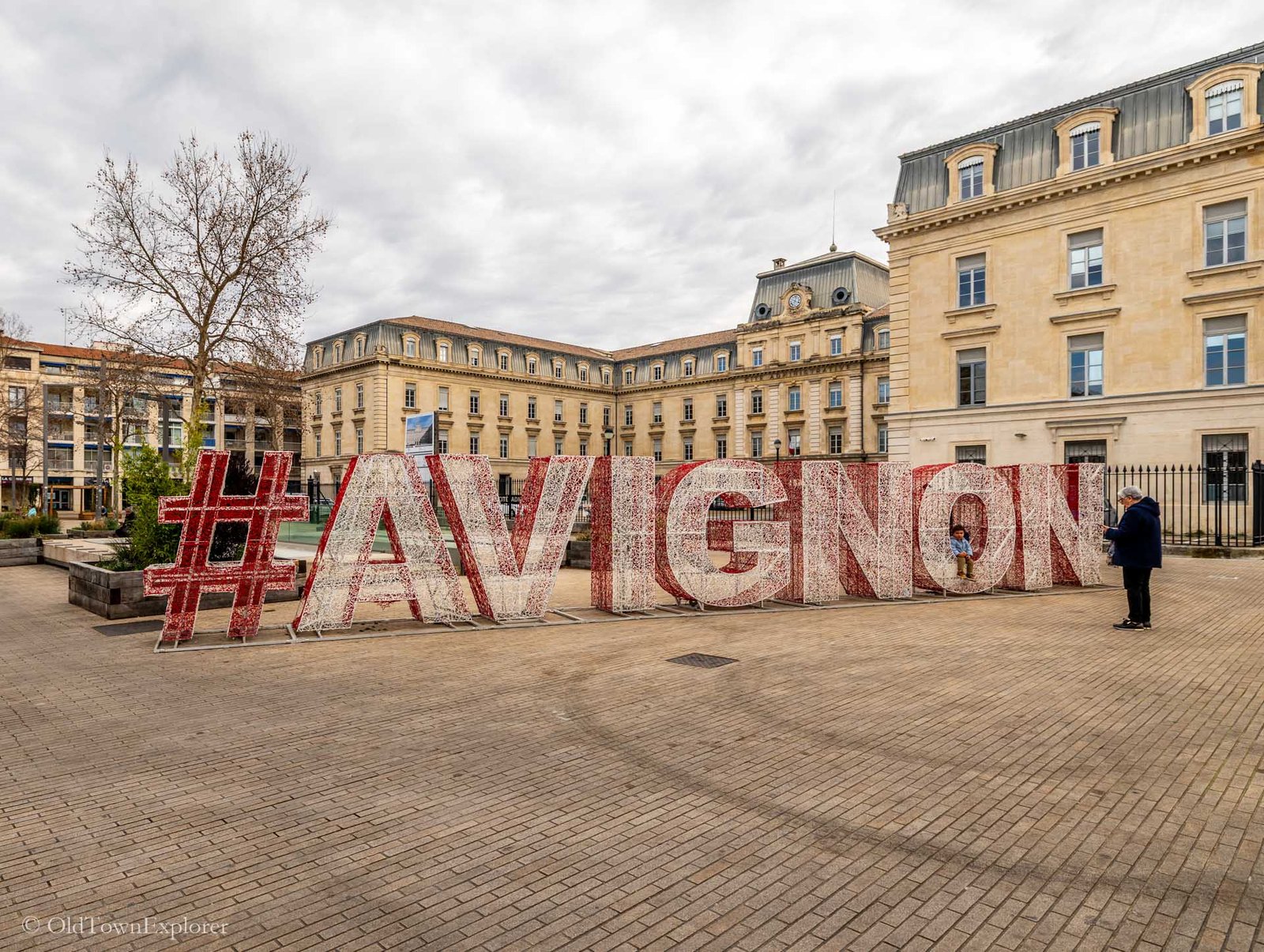
Explore Life in Avignon: Pros & Cons of Living in a Walled Rhône City
Avignon is a city on the Rhône in southeastern France, with a historic center enclosed by medieval walls. The pros and cons of living in Avignon include easy access to regional wine, food markets, and riverside walks, alongside hot summers, strong mistral winds, and July festival crowds. Central living keeps many errands close, although the better supermarkets for a full shop are outside the walls.
We spent a month in Avignon, shopping at Les Halles, eating around the old town, and exploring its wine and architecture. Returning to familiar streets and food shops gave us a better sense of how the center works beyond a short visit. That experience helps us weigh the advantages and drawbacks of choosing Avignon for a longer stay.
This page contains affiliate links. We may earn a small commission at no extra cost to you.
Living in Avignon at a Glance
Avignon suits a routine built around market shopping, regional wine, and walking inside the walls, with the Rhône and Barthelasse providing outdoor space beyond the central streets.
Key daily-life points:
- Best for: People who enjoy Provençal food, Rhône wines, historic architecture, cultural events, and rail trips to nearby cities.
- Harder for: People sensitive to summer heat, strong wind, festival noise, or the inconvenience of keeping a car in a restricted central area.
- Food shopping: Les Halles and smaller shops make central purchases convenient; the best supermarkets for larger shops are outside the walls.
- Water access: The Rhône supports riverside routines and seasonal paddling, but Avignon does not offer seaside beaches close to home.
- Car-free fit: Avignon Centre, the connection to Avignon TGV, and Orizo buses and trams support many journeys; dispersed wineries need more planning.
- Scouting focus: Test your supermarket route, apartment cooling, and street noise, particularly if your stay overlaps July.
An address near the southern walls can keep the old town within walking distance while shortening journeys to Avignon Centre. An address near Place Pie puts market shopping first.
Pros and Cons of Living in Avignon
Daily life in Avignon combines the convenience of a compact historic center with the wider city’s supermarkets, transport, and services. Your season and address determine how much you benefit from that combination—and how often heat, wind, noise, or parking complicate an ordinary day.
Pro: Excellent Rhône Wine Access
Avignon makes Rhône wine easy to enjoy through central wine bars, cavistes, and restaurant lists. You can compare regional reds, whites, and rosés without arranging a vineyard outing every time you want a good glass. Our Avignon Wine guide covers places to drink and buy bottles, alongside nearby winery areas.
Pro: Food Shopping at Les Halles
Les Halles brings produce, cheese, meat, fish, bread, and prepared food together on Place Pie inside the walls. It supports a routine of choosing ingredients for apartment meals rather than eating out every day. The market works best as a morning stop, so its usefulness depends partly on whether shopping early fits your usual schedule.
Con: Hot Summers
Summer heat can make midday errands and longer outdoor walks uncomfortable in Avignon. A short distance to a shop does not remove the problem of carrying groceries home in the afternoon sun. If you plan a summer stay, apartment cooling, shade, and the ability to exercise early matter as much as a convenient central address.
Pro: Pedestrian Streets Inside the Walls
Pedestrian and restricted-traffic streets make parts of Avignon’s center pleasant for walking between shops, cafés, restaurants, and squares. This supports an everyday routine with fewer short car journeys. The whole walled city is not pedestrian-only, however, and a central address may require extra arrangements for luggage drop-offs, deliveries, or bringing a car to the door.
Pro: Strong Train Connections
Avignon Centre sits beside the southern walls, while Avignon TGV provides access to high-speed services outside the center. A short TER connection links the stations, combining regional journeys with longer rail trips. Check the station on your ticket: living near Centre makes many departures easier, but a TGV journey can still involve an additional connection.
Con: July Festival Crowds
July’s theatre festivals bring audiences and performers into streets and venues across Avignon. That can change familiar walking routes, increase competition for restaurant tables, and make central life feel much busier. It is an exciting period if performances are your priority, but a less comfortable choice if you want a quiet month with flexible everyday plans.
Pro: Easy Access to the Rhône
The Rhône lies beside the historic center, and Barthelasse offers paths and open space across the river. Water can therefore be part of a regular walk rather than something reserved for a distant outing. The benefit is strongest from an address with a convenient route to the river; strong wind can make exposed stretches less comfortable.
Con: Strong Mistral Winds
The mistral can make Avignon’s exposed outdoor spaces uncomfortable even when the temperature looks suitable for walking. River paths, bridges, terraces, and cycling routes feel its effects more than sheltered central lanes. If you spend much of your day outdoors, check wind as well as temperature and have a sheltered alternative for exercise or errands.
Pro: Papal Architecture and History
The Palais des Papes, cathedral, churches, and historic streets give everyday walks a setting shaped by Avignon’s papal history. You can enjoy that architecture repeatedly without treating each walk as a sightseeing itinerary. Our Avignon Architecture guide explains the main buildings, while a longer stay lets you explore their surroundings more gradually.
Pro: Convenient Central Groceries
Markets and smaller grocery shops inside the walls make fresh ingredients and top-up purchases convenient. However, the best supermarkets for a full shop are outside the old town, where the larger selection is worth the extra journey. For self-catering, balance central convenience with a practical route to the supermarket you would use for bigger purchases.
Con: Central Parking Takes Planning
Keeping a car near an apartment inside the walls involves more than finding an occasional empty space. Paid garages, street-parking conditions, and restricted vehicle access affect both cost and convenience. Compare the official parking options with your accommodation before booking, especially if you expect to drive frequently rather than leave the car parked.
Pro: Varied Restaurants
Avignon offers traditional French and Provençal cooking alongside modern restaurants, casual meals, and more ambitious dining. Several different food areas sit inside the walls, making it easy to vary where you eat without a long journey home. Our Avignon Food guide compares restaurant areas, markets, and food shops for different meal routines.
Con: Festival-Season Accommodation Pressure
A stay overlapping the July festivals needs an earlier and more careful accommodation search than a flexible visit outside that period. Compare actual dates, total prices, and suitable apartments before assuming a month in Avignon will fit your budget. For a longer stay, compare dates outside the festival as well as different areas of the city.
Pro: Useful Buses and Trams
Orizo buses, the tram, and central shuttles help connect the old town with neighborhoods and services beyond the walls. They are useful when your preferred supermarket or another regular destination is too far to walk comfortably. Check the Orizo network against your actual address, because coverage matters more than simply having a stop somewhere nearby.
Con: Chilly Winter Nights
Avignon’s southern location does not guarantee warm winter evenings or a comfortable apartment without adequate heating. Cold nights can change how much time you spend outdoors and make indoor working or relaxing less pleasant in a poorly heated room. For a winter stay, check heating arrangements and window insulation rather than choosing accommodation mainly for its summer appeal.
Pro: Theatre and Cultural Events
Theatre is a major part of Avignon’s identity, with the July festivals offering an unusually concentrated choice of performances. Cultural venues and events also give a longer stay activities beyond restaurants and sightseeing. The benefit depends on your interests and language comfort, so look at the programs you would actually attend rather than assuming every performance will suit you.
Pro: Seasonal Kayaking and Paddleboarding
Summer canoe, kayak, and stand-up paddle rentals on Barthelasse provide a way to get onto the Rhône near the Pont d’Avignon. This is a distinct benefit from simply walking beside the river. The local paddling operator offers outings in a defined navigation area; confirm seasonal availability and conditions rather than treating access as unrestricted or year-round.
Con: No Seaside Beaches Nearby
Avignon offers river access, but seaside beaches are not part of a convenient daily routine from the historic center. Swimming by the sea, surfing, or spending an ordinary afternoon on the coast requires a separate journey. If regular beach time is important to your choice of home, the Rhône’s presence will not provide the same lifestyle.
Con: Noise Around Busy Squares
Restaurant terraces, evening gatherings, and festival activity can make an apartment overlooking a busy square less restful than its central location suggests. Noise varies by street, room orientation, and season, so this is an address-level decision rather than a judgment about every neighborhood. Check the bedroom’s position and listen in the evening before committing to a longer stay.
Pro: Medieval Walls and Gates
Avignon’s medieval ramparts remain a visible part of everyday movement between the old town and the surrounding city. The gates give familiar journeys recognizable landmarks and help you understand where your address sits. Their appeal is strongest when your regular routes cross or follow them, although the surrounding roads mean the entire perimeter is not a quiet walking path.
Pro: Free Municipal Art and Museums
Avignon’s municipal museums offer free access to permanent collections, including art and antiquities at venues such as the Petit Palais, Calvet, and Lapidaire. That makes shorter repeat visits practical during a longer stay, without paying admission each time. Check individual opening schedules and exhibition charges, since free permanent collections do not mean every cultural event or exhibition is free.
Pro: Good Regional Day Trips
Regional trains make places such as Orange, Arles, and Nîmes practical outings from Avignon without changing your base. That adds variety to a longer stay while keeping the convenience of returning to the same apartment. Rural villages and scattered attractions are a different proposition, so distinguish straightforward rail trips from excursions that require additional buses or a car.
Pro: Running Routes on Barthelasse
Barthelasse gives runners room for longer routes beyond the narrow streets and frequent turns of the historic center. It is useful when regular exercise matters more than simply having attractive places for a short stroll. Test the journey from your apartment to the island, and account for exposed sections, summer heat, and wind when choosing your usual running time.
Con: Vineyard Trips Need Transport Planning
Drinking Rhône wine in Avignon is easy, but visiting wineries involves reaching estates spread across villages and countryside. Public transport to a village does not necessarily deliver you to the cellar door or provide a convenient return after tasting. Frequent winery outings therefore require more planning for buses, walking, a driver, or tours than central wine-bar visits.
Con: Airport Trips Require Transfers
Avignon’s local airport has no scheduled passenger flights, so flying generally involves a gateway elsewhere, such as Marseille Provence. The journey to an airport adds ground transport to your flight planning, especially for early departures. If you fly frequently, compare complete door-to-terminal journeys before deciding that Avignon’s strong rail connections also make airport access equally simple.
Discover Avignon Before Moving
Spend a scouting stay testing the routine you would repeat: market mornings, larger supermarket trips, outdoor exercise, and time working or relaxing in the apartment. Choose dates that reflect your intended season. A quiet spring week will not show you how the same address feels during July’s festivals or a hot summer spell.
Hotels and Apartments
Compare addresses near Place Pie for Les Halles, near Rue de la République and the southern walls for Avignon Centre, and on quieter streets away from busy terraces. For self-catering, also check the route to a larger supermarket outside the walls. An attractive central apartment needs to work for shopping, sleep, heating, and cooling as well as evening walks.
Use the interactive map below to compare hotels and apartments around Place Pie, near Avignon Centre and the southern gates, and on quieter streets inside the walls. Choose a base that lets you test both central errands and journeys to supermarkets beyond the old town.
Tips for Living in Avignon
A good address should work for your whole week, including supermarket trips and restful nights. Test these practical details before committing to a longer stay.
Plan two shopping routines
Use Les Halles and central shops for fresh food and small purchases, then test a larger supermarket outside the walls for a full shop. Check the return journey with bags, including the bus stop and any apartment stairs.
Check cooling and heating
For summer, confirm which rooms have air-conditioning and whether the bedroom is exposed to afternoon sun. For winter, ask how heating is controlled. Check window seals as well as the view, particularly on exposed streets.
Test the bedroom noise
Find out whether the bedroom faces a terrace, square, or quieter courtyard. Listen at the hours you normally sleep, and check festival venues nearby if your stay includes July.
Match stations to your journeys
Map the walk to Avignon Centre and check the connection to Avignon TGV for your usual longer trips. If you keep a car, arrange a parking option that allows the overnight stays and repeated access you need.
Try the river route
Walk or run from your apartment to Barthelasse and back rather than judging access from the map alone. Test an exposed section on a windy day, and confirm paddling availability separately if water activities are part of your routine.
FAQs About Living in Avignon
Is Avignon a good place to live?
Avignon can suit people who enjoy Rhône wine, food markets, historic streets, cultural events, and regional train trips. Summer heat, the mistral, and festival pressure are the main trade-offs to test. The right apartment and season matter more than being close to the Palais des Papes alone.
Can you live in Avignon without a car?
Yes, a car-free routine is practical when your address suits central walking, supermarkets, and public transport. Avignon Centre and the connection to Avignon TGV support trips beyond the city. Dispersed winery visits and rural outings require more planning, so consider how often you would make them.
Are there good supermarkets inside the walls?
There are markets and smaller grocery shops inside the old town, but the best supermarkets for a full shop are outside the walls. Les Halles is useful for fresh food, while a larger supermarket offers a broader selection for stocking an apartment. Choose accommodation with both shopping routines in mind.
Is July a good month for a longer stay?
July is a strong choice if theatre is a major reason for living in Avignon. It is harder if you want quiet streets, flexible accommodation choices, and comfortable midday walking. Compare the festival calendar with your priorities, then check apartment cooling, bedroom noise, and the total price for your dates.
Does Avignon offer water activities?
Yes. The Rhône provides riverside access, and seasonal canoe, kayak, and paddleboard outings are available from Barthelasse. These operate within the provider’s arrangements and conditions. Avignon is an inland river city, so water access here should not be confused with convenient seaside beaches or unrestricted river swimming.
