
Explore Life in Barcelona: Pros & Cons of Living in Catalonia’s Mediterranean Capital
Barcelona is the capital of Catalonia on Spain’s Mediterranean coast. The pros and cons of living in Barcelona include varied restaurants, Catalan wine, city beaches, and public transport that supports a routine without a car. Those advantages come with substantial housing costs, busy central streets, and summer nights that make apartment cooling important. The neighborhood and exact apartment address can change how comfortably these features fit into everyday life.
We spent a month in Barcelona exploring its food, wine, and architecture. That time gives us a basis for considering the city beyond a brief visit, particularly how meals out and the surrounding streets shape a longer stay. Choosing a living base also means checking practical details that differ between apartments, including bedroom noise, cooling, grocery access, and the journey to the sea.
This page contains affiliate links. We may earn a small commission at no extra cost to you.
Living in Barcelona at a Glance
Barcelona combines the choices of a large city with beaches close enough for regular swimming. Living near the sea, however, creates a different routine from living beside an Eixample market or an upper-neighborhood metro station.
Key daily-life points:
- Best for: People who enjoy restaurants, Catalan wine, walking, and swimming, and want enough variety to sustain a longer stay.
- Harder for: People seeking inexpensive central housing, consistently quiet streets, or summer comfort without apartment cooling.
- What stands out: Neighborhood food markets, medieval lanes, Modernista façades, and a Mediterranean shoreline all influence ordinary days.
- Top trade-offs: Central convenience can bring crowds and late noise, while a larger or quieter apartment may mean a longer journey to the beach.
- Scouting focus: Test the bedroom after dark, the nearest full grocery shop, and the door-to-door routes to your usual destinations.
- Car-free fit: Metro and bus connections handle many everyday journeys; vineyard visits and mountain walks need their own transport plan.
If swimming matters several times a week, measure the actual journey from the apartment to the sand. A location described as central can still leave the shoreline well outside a short daily walk.
Pros and Cons of Living in Barcelona
Barcelona works best when its restaurants, markets, transport, and outdoor options fit the streets you use regularly. Housing cost, summer sleep, and central crowds deserve as much attention as access to wine and the Mediterranean, because they affect how comfortable an ordinary week feels.

Pro: Strong Restaurant Choices
Barcelona offers enough restaurant variety to make regular meals out interesting, from Catalan cooking and tapas to contemporary and international kitchens. Neighborhood lunch spots and simpler bars can serve a different purpose from an occasional elaborate dinner. Our Barcelona food page helps you explore those choices, while the places near your apartment determine what becomes convenient on an ordinary evening.

Pro: Catalan Wines and Cava
Barcelona’s wine bars, restaurants, and bottle shops make Catalan wine accessible without organizing a vineyard visit. Cava, coastal whites, and inland reds offer variety for drinking with dinner or buying bottles for home. Our Barcelona wine page covers the options in more depth; individual lists vary, so look for places that emphasize regional producers if that is your main interest.
Pro: City Beaches for Swimming
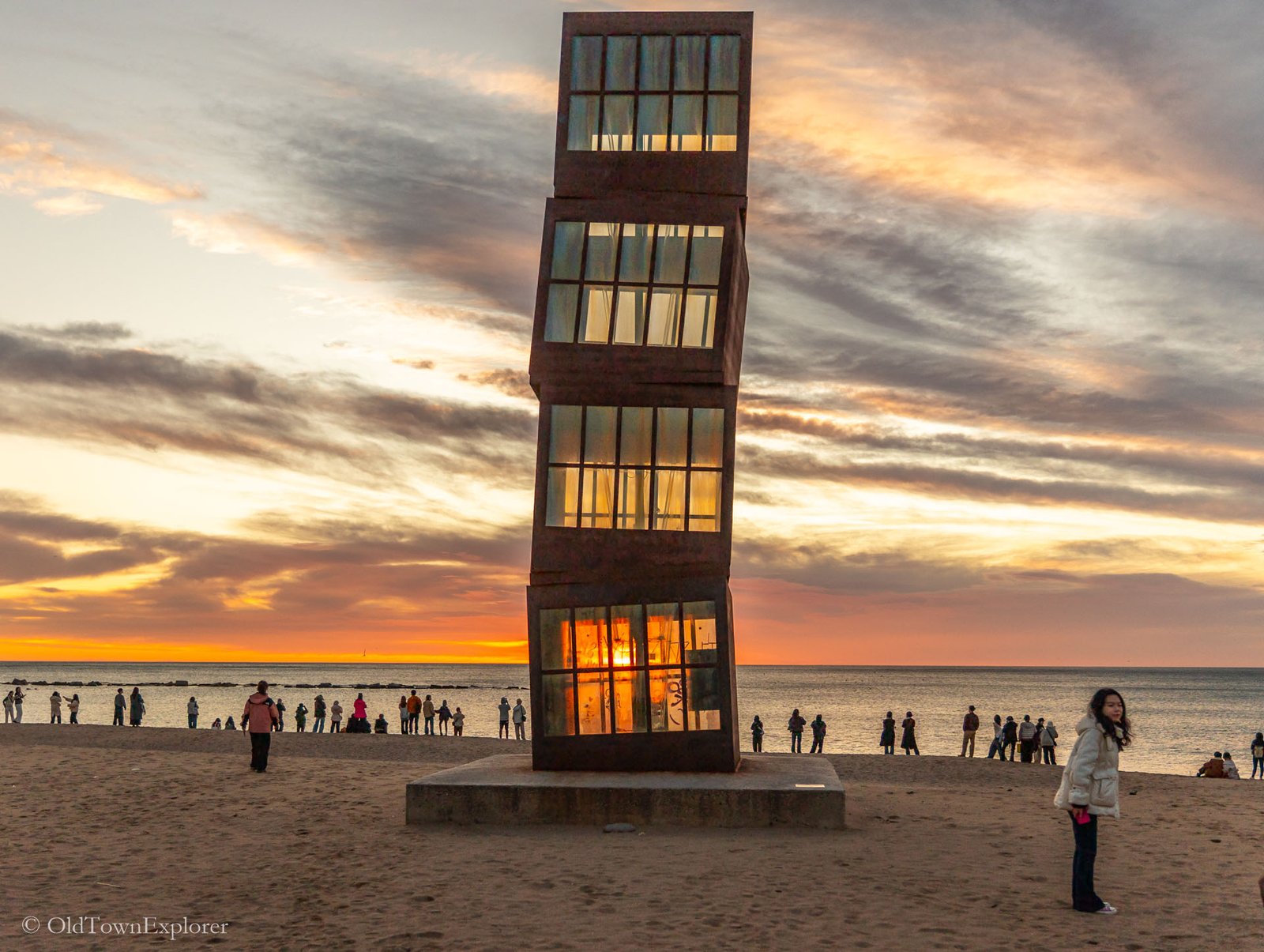
Barcelona’s city beaches make swimming a realistic recurring activity, especially from a base near Barceloneta or the eastern waterfront. You can combine a swim with the rest of the day without planning an excursion outside the city. Beach crowds and sea conditions still matter: follow the official bathing guidance and posted flags rather than assuming the water is suitable whenever the sun is out.
Con: High Housing Costs
Housing is a major constraint on living comfortably in Barcelona, particularly when you want a convenient location as well as adequate space. The city’s housing report tracks the pressured rental market, but a citywide average cannot predict the price of your preferred apartment. Compare actual options for the intended dates, including utilities and cooling, before deciding how much remains for meals and travel.
Con: Tourist Crowds Affect Central Streets
Popular parts of Ciutat Vella receive visitor groups and cruise passengers alongside people using the streets for ordinary errands. Around La Rambla and other busy routes, a short walk can involve more congestion than the distance suggests. Choosing a nearby side street may improve the routine, but central convenience still means sharing public space with substantial visitor traffic.
Con: Summer Heat Can Disrupt Sleep
Warm summer nights can make sleeping difficult when an apartment has weak cooling or poor airflow. Barcelona’s tropical-night climate makes bedroom comfort important even when you plan outdoor activities early. Check whether air conditioning reaches the sleeping area, how the windows open, and whether outside noise would prevent leaving them open; daytime shade alone does not solve a hot bedroom.

Pro: Remarkable Architecture Along Everyday Routes
Barcelona’s architecture gives everyday walks variety, with medieval lanes in Ciutat Vella and Modernista façades among the Eixample’s residential blocks. You can enjoy much of that setting while going for coffee or doing errands, rather than reserving every experience for a sightseeing day. Our Barcelona architecture page explores the buildings further, although an attractive façade tells you little about comfort inside an apartment.
Pro: Extensive Metro and Bus Connections
Barcelona’s metro and bus networks make living beyond the old town practical without keeping a car. A useful connection can put a preferred market, workplace, or quieter residential street within an ordinary routine. Use the TMB journey planner to compare actual trips, because station proximity alone does not show the transfers, walking time, or service pattern your day would require.
Pro: Neighborhood Markets for Everyday Cooking
Food markets such as Sant Antoni and Santa Caterina give home cooking a regular source of produce, fish, meat, and other ingredients. Barcelona’s neighborhood market network lets you shop beyond La Boqueria and its visitor traffic. Check the stalls and opening hours near your prospective apartment, since a convenient market still needs a supermarket or smaller shop as backup.
Pro: High-Speed Trains for Longer Trips
High-speed rail makes Barcelona a useful base for longer trips within Spain, including journeys to Madrid without flying. Departures from Sants can fit a weekend away more comfortably than traveling out to an airport. Check Renfe’s Barcelona–Madrid services for your dates and compare the whole journey, including reaching the station; ticket availability and fares affect how spontaneous those trips can be.
Pro: Mild Winters Support Outdoor Routines
Barcelona’s mild Mediterranean winters make walking and seafront exercise easier to maintain than in cities with prolonged freezing weather. Sunny days can also support outdoor lunches and time in neighborhood squares. Winter still brings cool evenings, rain, and shorter daylight, so check apartment heating and carry an extra layer rather than treating a mild climate as permanent beach weather.
Pro: Sailing, Kayaking, and Paddleboarding
Barcelona offers ways to spend time on the Mediterranean beyond swimming from the sand, including sailing outings, kayaking, and paddleboarding. These activities can add a regular interest to a longer stay if the launch point is convenient. The official sea and beaches information helps identify options, but wind, sea conditions, experience requirements, and seasonal availability determine what is practical.
Con: Theft Requires Everyday Attention
Keeping track of phones and bags is an everyday consideration in crowded streets, on public transport, and at the beach. Barcelona’s official safety advice recommends keeping belongings close and bags closed in these settings. Swimming adds a practical complication: bring only what you need and arrange how belongings will remain attended while you are in the water.
Pro: Seafood for Cooking and Dining
Barcelona’s food markets and coastal cooking make seafood an option for both home meals and restaurant visits. Fish counters let you vary what you cook, while local menus include grilled fish, rice dishes, and stews such as suquet de peix. The advantage depends partly on your kitchen and shopping routine, especially whether you have suitable equipment and can buy fresh ingredients near home.
Con: Late Street Noise Can Carry Upstairs
Bars, terraces, traffic, and evening activity can make a central Barcelona apartment noisy after you are ready to sleep. Narrow streets and busy squares deserve particular attention when bedrooms face outward. Visit the address after dark and check window insulation, because the convenience of restaurants downstairs can become a disadvantage if quiet nights matter more than immediate access to dinner.
Pro: Pedestrian Streets and Greener Walking Routes
Old-town lanes and redesigned streets such as parts of Consell de Cent provide routes where walking takes priority over through traffic. They can make short errands and time outdoors more pleasant than following a busy avenue. These areas are not all completely vehicle-free, so compare the actual grocery route and crossings rather than assuming every central street offers the same pedestrian experience.
Pro: Varied Coastal and Cultural Day Trips
Barcelona gives a longer stay access to contrasting days outside the city, including the coast at Sitges and historic streets in Girona. That variety helps when you want a change from the same urban routine. The official nearby-destination overview suggests possibilities, but check the current outward and return journeys before assuming every destination works as an easy day trip.
Pro: Vineyard Visits Beyond the City
Alella and Penedès give wine lovers opportunities to visit producers while using Barcelona as a base. A winery visit offers vineyard context and a tasting experience that buying a bottle in the city cannot provide. Our Barcelona wine page includes options beyond town, but confirm reservations and the final journey from the station or bus stop before committing to a visit.
Pro: Long Seafront Walking and Running Routes
The connected waterfront provides space for walking and running without leaving Barcelona for a countryside trail. A base near the coast can make exercise easy to combine with work, shopping, or breakfast. Popular sections share space with pedestrians and other users, so test the route at your usual exercise time and consider how much sun and heat you would encounter.
Con: Small Apartments Can Limit Comfort
Smaller Barcelona apartments can make a longer stay awkward if you need a proper workspace, storage, or room for visitors. This is worth checking in Ciutat Vella, where average apartment sizes are relatively small. Look beyond the total floor area to the layout, dining table, and usable storage, since an attractive listing can still leave everyday activities competing for one room.
Pro: Convenient Neighborhood Grocery Shopping
Supermarkets, small food shops, and specialist grocers complement Barcelona’s fresh-food markets, giving you several ways to manage everyday groceries. A nearby shop is useful for top-ups, while a larger supermarket may better suit a weekly basket. Walk both routes before choosing an apartment and check the actual selection, especially if you regularly buy particular international ingredients or household products.
Pro: Art and Performances Beyond Tourist Visits
Barcelona’s museums, exhibitions, concerts, and theaters provide interests that can continue well beyond the first week. Montjuïc’s art institutions and venues elsewhere in the city offer alternatives when you want an indoor afternoon or evening. Choose according to the programs that interest you and the journey home, since ticket costs and opening schedules determine how often these become part of normal life.
Con: Spanish and Catalan Help Beyond Visitor Services
English is available in many visitor-facing settings, but Spanish and some Catalan make neighborhood errands and local interactions easier. Both languages are part of Barcelona’s everyday setting, including signs, menus, and services. The city’s welcome guidance encourages learning them; relying entirely on English can limit how comfortably you handle situations beyond restaurants, hotels, and other services accustomed to international visitors.
Pro: Montjuïc Gardens and Hill Walks
Montjuïc adds gardens and climbing walks to Barcelona’s outdoor options without requiring a trip beyond the city. From a nearby base, you can use its paths for a longer walk with greenery and changing views. The city’s garden information helps identify places to explore, although slopes and separate garden opening hours can affect the route you choose.
Con: Uphill Neighborhoods Make Errands Harder
Barcelona’s upper neighborhoods can involve climbs that make ordinary errands more demanding than they appear on a map. Carrying groceries home or returning in summer heat can change your view of an otherwise appealing location. Test the walk from the nearest useful shops and transport stops, paying attention to steep sections and stairs rather than judging convenience only by distance.
Pro: Mountain Hiking Beyond the City
Montserrat provides mountain walking beyond Barcelona, with public transport options for reaching the area from the city. It offers a different outdoor routine from promenades and urban gardens, although the journey needs time. Check trail conditions before leaving; Collserola currently has access restrictions related to African swine fever, so its nearby paths should not be assumed freely accessible.
Pro: Several Public Transport Options to the Airport
Barcelona–El Prat can be reached by metro, train, and bus, giving you alternatives to a taxi for airport trips. The best choice depends on where you live, your luggage, and the terminal. Metro L9 Sud serves both terminals, while the airport train serves Terminal 2; compare transfers and the final walk rather than assuming one route is simplest for every apartment.
Pro: Nonstop Flights to Several US Cities
Barcelona’s nonstop US connections can simplify trips home by avoiding an additional European flight. The airport’s United Airlines destination list includes Newark, Chicago, Washington Dulles, and San Francisco, providing several potential arrival points. Check service for your actual dates before choosing a travel plan, since a listed route does not guarantee year-round departures or the same frequency in every season.
Con: Driving and Parking Add Complications
Keeping a car in Barcelona adds parking arrangements, restricted access, and navigation through streets designed increasingly around walking and public transport. It can be useful for some countryside trips but inconvenient for ordinary central errands. Check the official low-emissions-zone requirements and the apartment’s parking arrangement before driving in, particularly with a vehicle registered abroad.
Discover Barcelona Before Moving
A scouting stay should show whether Barcelona works on ordinary days, including when you cook at home, finish work late, or want an early night. Test groceries, transport, and the bedroom’s comfort before deciding that proximity to restaurants or the sea outweighs housing cost and street noise.
Hotels and Apartments
Compare an Eixample base near Sant Antoni or another food market with an address on the edge of Ciutat Vella and a waterfront option in Barceloneta or Poblenou. These choices create different daily journeys, so check the exact street, grocery selection, and transport connections rather than treating a neighborhood name as a promise of convenience or quiet.
Use the interactive map below to compare hotels and apartments around Sant Antoni, the edges of Ciutat Vella, Barceloneta, and Poblenou for your dates and budget. Measure the routes to a full supermarket, a useful metro stop, and the beach, then check bedroom orientation and cooling before booking.
Tips for Living in Barcelona
A comfortable Barcelona routine starts with checking the apartment and the journeys you will repeat most often.
Test the bedroom after dark
Visit the street at your usual bedtime and ask which way the bedroom faces. Listen for terrace activity, traffic, and noise from neighboring apartments, then check whether closed windows provide enough quiet.
Check cooling in each room
Confirm where the air-conditioning units are located and whether they cool the bedroom as well as the living area. Ask about sun exposure, window shutters, and electricity arrangements before committing to a summer stay.
Walk your grocery routes
Find a supermarket for a full shop and a nearby option for quick purchases. Check market hours and carry a realistic grocery load along the route, especially if the apartment is uphill or reached by stairs.
Time the journey to the sea
If swimming or seafront running is a priority, test the door-to-door route at the time you would normally go. Include the walk from the transport stop to the sand and decide whether the return journey still feels worthwhile on a working day.
Check your regular transport journeys
Use current journey planners for your main destinations, Sants station, and the correct airport terminal. Identify a practical alternative for essential trips and check outdoor access notices before planning mountain walks.
FAQs About Living in Barcelona
Can you live in Barcelona without a car?
Yes. Walking, metro, and bus connections can support daily life without a car, particularly when groceries and a useful transport stop are close to home. Check the routes you would actually repeat; countryside wineries and some outdoor destinations need a separate plan.
Is central Barcelona housing expensive?
Housing is one of the main budget constraints, especially when you want central convenience, adequate space, and a quiet bedroom together. Compare apartments for your dates and include utilities and cooling in the total. Published city averages do not predict the cost of a particular furnished stay.
How does summer affect apartment comfort?
Warm nights make bedroom cooling and airflow important, while street noise can prevent sleeping with open windows. Check which rooms have air conditioning, how much direct sun the apartment receives, and whether the bedroom faces a busy street.
Can swimming become part of everyday life?
Yes, particularly from a base near the coast or with a convenient journey to the beach. Access to the sand does not guarantee suitable swimming conditions every day: follow bathing flags and arrange how your belongings will remain attended while you swim.
Can you get by with English in Barcelona?
English can cover many visitor-facing interactions, but it is less dependable for every neighborhood errand or local service. Spanish and some Catalan make a longer stay easier and broaden the conversations you can have beyond businesses accustomed to international visitors.
