

Explore Life in Dijon: Pros & Cons of Living in Burgundy’s Historic Capital
Dijon is a city in Burgundy, eastern France, with a largely pedestrian historic center and vineyards stretching south toward Beaune. The pros and cons of living in Dijon include excellent food and wine, convenient central shopping, and strong rail and public transport, alongside cold winters, summer heat, and the extra planning needed for countryside winery visits.
We spent a month in Dijon during March and April, eating around the historic center, exploring its wine scene and architecture, and using the city as a Burgundy base. That time let us return to familiar streets and restaurants beyond the pace of a short visit. For a longer stay, the key decisions are where to live, how you would travel, and whether the seasonal weather suits your everyday routines.
This page contains affiliate links. We may earn a small commission at no extra cost to you.
Living in Dijon at a Glance
Dijon combines a pedestrian shopping center with regional food, Burgundy wine, and a tram and bus network that makes journeys beyond the old town practical. You can build a central routine around groceries, meals, and museums without using a car every day.
Key daily-life points:
- Best for: People who enjoy Burgundy food and wine, historic streets, cultural events, and regular train outings.
- Harder for: People seeking mild winters, easy access to the sea, or frequent rural winery visits without arranging transport.
- Food shopping: Les Halles, central supermarkets, and specialty shops give home cooking several practical options.
- Car-free fit: Walking, Divia trams and buses, and Dijon-Ville station support many city and regional journeys.
- Outdoor routine: The Ouche corridor, Lac Kir, and Combe à la Serpent offer different settings for running, water activities, and hiking.
- Housing watchpoint: Check heating, summer ventilation, and bedroom exposure to nearby bars or terraces before choosing a central apartment.
A base near Darcy favors the station and tram connections. Staying around Les Halles puts market shopping closer, while the southern center shortens the approach to the Ouche corridor.
Pros and Cons of Living in Dijon
Dijon suits a routine that combines central food shopping and dining with culture, exercise, and regional outings. The main trade-offs concern seasonal comfort, the exact location of your apartment, and journeys that take you beyond the city’s pedestrian streets and public-transport network.

Pro: Excellent Burgundy Wine Access
Dijon makes Burgundy wine easy to explore through wine bars, specialist shops, and restaurant lists, with the Côte de Nuits close enough for separate vineyard outings. You can enjoy regional bottles without leaving the city every time. Our Dijon Wine guide compares places to drink and buy wine, alongside nearby estates where appointments may be needed.
Pro: Extensive Pedestrian Streets
Dijon’s pedestrian streets let you combine shopping, groceries, cafés, and meals on foot around the historic center. Rue de la Liberté and the surrounding lanes make walking a useful everyday choice rather than an activity reserved for sightseeing. The convenience depends on your address; accommodation beyond the core may work better when paired with a tram or bus stop.
Pro: Strong Restaurant Choices
Dijon offers traditional Burgundy cooking, contemporary restaurants, brasseries, and casual meals across several connected central areas. That gives a longer stay more dining variety than repeating one restaurant street, with many meals reachable on foot. Our Dijon Food guide helps match restaurants to the meal you want; book ahead when a small dining room or particular menu matters.
Con: Cold and Damp Winters
Dijon’s winters can make a walking-based routine less comfortable, with cold temperatures and damp spells affecting errands and outdoor exercise. A convenient central apartment still needs effective heating and windows that keep drafts out. If mild winter weather is important to you, test the colder season rather than judging year-round comfort from a pleasant spring or autumn stay.
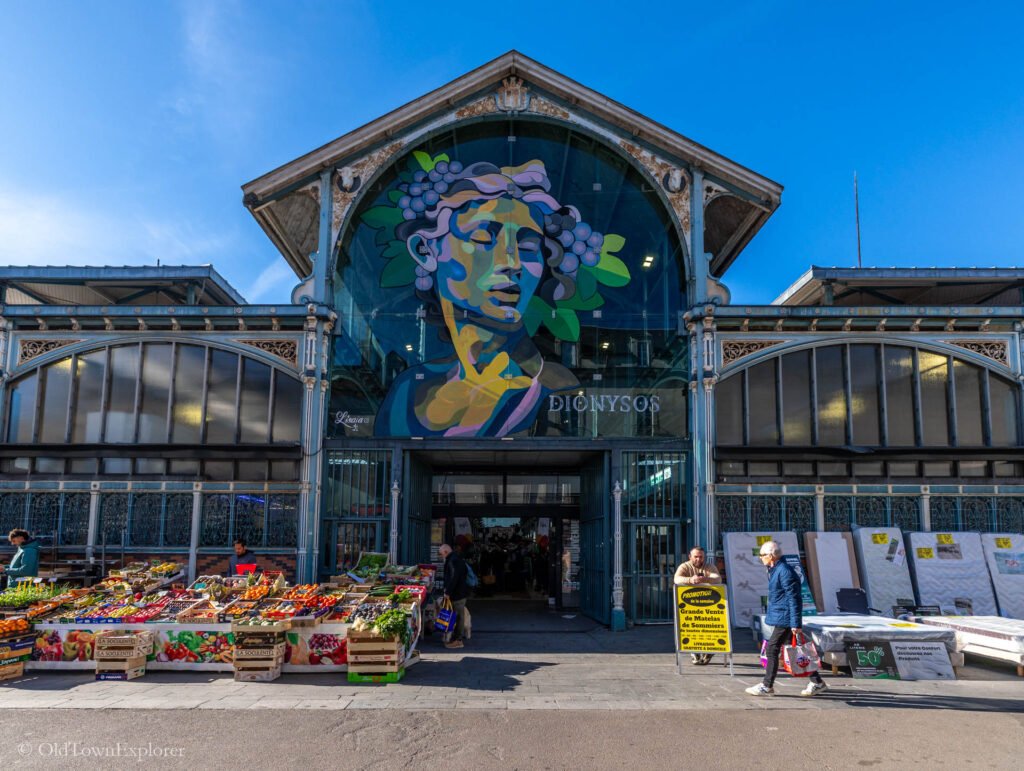
Pro: Regular Shopping at Les Halles
Les Halles and the surrounding market area give central residents several opportunities each week to buy produce, meat, cheese, and other ingredients. Regular market mornings make it easier to shop in smaller amounts and cook with what is available. Consult the municipal market schedule, since a home-cooking routine needs to fit the market’s morning hours.
Pro: Strong Train Connections
Dijon-Ville station connects the city with regional destinations and longer journeys, including Paris and Lyon. That makes weekends away, appointments, and onward travel practical without keeping a car for every outing. Check current train schedules for your usual travel days; direct services, journey times, and the last convenient return vary with the destination and date.
Pro: Useful Trams and Buses
Divia’s T1 and T2 trams, main bus routes, and local services extend a car-free routine beyond Dijon’s pedestrian center. They make an outlying address more workable when your regular destinations sit on useful lines. Compare the Divia network with your actual journeys, particularly evening and Sunday trips, when service differs between types of route.
Con: Summer Heat
Dijon can have hot summer spells that change the best time for walking, running, and vineyard outings. Indoor comfort becomes important too, especially in rooms exposed to afternoon sun. Check shutters, opening windows, and any air-conditioning before booking a summer apartment, and consider whether you can shift longer outdoor activities into the cooler part of the day.
Pro: Convenient Central Groceries
Central grocery stores, including Monoprix and Carrefour City near Les Halles, make everyday purchases possible without leaving the historic core. They complement market shopping when you need staples, household supplies, or ingredients outside market hours. Compare the selection at the shops near your apartment; central convenience does not necessarily mean every store suits a large weekly shop.
Con: Noise Near Bars and Terraces
An apartment beside a busy bar or restaurant terrace may be convenient for evenings out but less comfortable when you want to sleep. Streets with hospitality venues, including parts of Rue Berbisey and the Halles area, deserve an evening check. Ask where the bedroom faces and listen with the windows open, particularly if summer ventilation will matter.

Pro: Ducal Architecture and Historic Streets
The ducal palace, churches, old houses, and central squares give everyday walks an architectural setting that remains interesting after your first sightseeing circuit. You encounter much of it while shopping or going to dinner, without needing a ticket. Our Dijon Architecture guide explains the main buildings and streets when you want to understand that setting more closely.
Con: Vineyard Visits Need Transport Planning
Getting around Dijon easily does not guarantee an equally simple journey between countryside wine estates. Village locations, appointment times, and the gaps between stops can make a car, bicycle, driver, or organized tour more useful than city transport. Plan the complete outing before booking several tastings, including how you will return to Dijon afterward.
Pro: Good Burgundy Day Trips
Dijon gives a longer stay variety through outings to Beaune, vineyard towns, and other Burgundy destinations. A regional train day can feel quite different from a countryside walk or a village lunch. Choose the journey around the destination rather than assuming one transport method works for every outing, especially when smaller places sit away from the rail line.
Pro: Running Along the Ouche
The Ouche’s green corridor links the southern city with Lac Kir, giving runners an alternative to busy shopping streets and repeated stops at central crossings. It also works for walking and cycling when you want an outdoor break. Test the approach from your apartment as well as the path itself; the journey to the start affects how often you will use it.
Pro: Free Municipal Museum Collections
Dijon’s municipal museums offer free access to their permanent collections, making shorter repeat visits practical during a longer stay. You can spend an hour with art or local history without needing to make every visit a full museum day. Check the museum opening information, as temporary exhibitions may require tickets and opening days vary between sites.
Con: Central Parking Takes Planning
Keeping a car near Dijon’s pedestrian center means accounting for garage access, paid street zones, and the walk between your parking space and apartment. An attractive central address may be less convenient if you drive frequently. Compare local parking arrangements before committing to accommodation, including the actual route for unloading luggage or carrying purchases home.
Pro: Burgundy Specialty Food Shops
Dijon’s specialty shops make mustard, gingerbread, cheese, pastries, and other regional products easy to add to meals at home. They give a central food routine more variety than relying on one supermarket, particularly for simple lunches or entertaining visitors. Use them alongside ordinary grocery shopping, since a selection of regional treats will not cover all your household needs.
Pro: Water Activities at Lac Kir
Lac Kir provides access to sailing, canoeing, kayaking, rowing, and paddling, with supervised swimming offered during the summer Dijon Plage season. That gives Dijon meaningful recreational water access even though it is inland. Check the lake facilities and activity arrangements before relying on a particular sport, since equipment, supervision, and organized sessions have their own availability.
Con: Rain Disrupts Outdoor Plans
Rain can interrupt Dijon’s outdoor routines even when temperatures are comfortable for exercise or a countryside outing. Longer walks, bicycle journeys, and vineyard visits need some flexibility when wet weather arrives. Keep a shorter route or indoor alternative available, and check conditions before choosing a trail rather than relying only on the forecast temperature.
Pro: Hiking at Combe à la Serpent
Combe à la Serpent offers woodland and hillside paths west of Dijon, giving you longer outdoor outings beyond flat central streets. Its varied terrain suits people who want hiking to be part of their week rather than an occasional distant excursion. Use the city’s park information to compare access points and choose a route suited to your available time.
Pro: Varied Shopping Options
Dijon’s central shopping streets and Toison d’Or provide choices for clothing, household purchases, and other needs beyond food. That is useful during a longer stay when replacing something or buying everyday supplies matters more than browsing souvenirs. Compare the shops near your address with the wider selection at Toison d’Or, allowing for the extra journey out of the center.
Pro: Concerts and Cultural Events
Dijon’s opera, concert venues, theatre, and festival calendar give residents options for regular cultural evenings beyond restaurant meals. The range suits people who want activities that continue after the city’s main landmarks become familiar. Check the local performance calendar against your interests and season, and plan the return journey when a venue is outside the historic core.
Con: Major Airport Trips Require Transfers
Major international flights usually require a journey beyond Dijon to an airport such as Paris Charles de Gaulle or Lyon Saint-Exupéry. Rail connections help, but the airport leg still adds time and may complicate early departures. Compare the full journey from your apartment to the terminal, rather than treating Dijon’s strong intercity rail access as doorstep access to a major airport.
Pro: Local Cassis and Aperitif Traditions
Dijon’s crème de cassis gives the city a distinctive aperitif tradition alongside Burgundy wine, with local producers and shops making the blackcurrant liqueur easy to explore. It is especially relevant if you enjoy a kir or keeping regional drinks at home. Choose it for that sweet, fruit-led style rather than expecting the same experience as a dry wine tasting.
Con: No Nearby Seaside Activities
Dijon’s inland location rules out a convenient everyday routine of sea swimming, surfing, or coastal walks. Lac Kir provides water sports and seasonal swimming, but those activities do not replace living close to the sea. If coastal recreation is a priority, consider whether occasional trips away would satisfy you before choosing Burgundy as a longer-term base.
Discover Dijon Before Moving
Use a scouting stay in Dijon to test the ordinary week you would want to repeat. Buy groceries, try a tram journey at your usual travel time, walk an exercise route from the apartment, and return to your street after dinner. A month in spring can reveal everyday convenience, but it cannot settle every question about winter heating or summer heat.
Hotels and Apartments
Compare the Halles area for market access, the streets around Darcy for the station and trams, and the southern center for routes toward the Ouche. Central accommodation can keep restaurants and shops close, but inspect the bedroom’s position relative to terraces and bars. For an apartment, check cooking facilities, heating, ventilation, stairs, and the practical approach with luggage.
Use the interactive map below to compare hotels and apartments near Les Halles, Place Darcy, Place de la Libération, Dijon-Ville station, and the southern historic center, balancing food shopping, transport, and outdoor routes.
Tips for Living in Dijon
Choose your Dijon address around the journeys and activities you expect to repeat. A central location is most useful when it also gives you comfortable rooms and a workable weekly routine.
Compare your food shops
Try a market morning and a full supermarket shop before deciding where to stay. Compare the ingredients and household supplies you actually need, then carry your purchases back to the apartment. This shows whether proximity to Les Halles or a particular grocery store will matter more during your stay.
Listen after dinner
Return to the street at the time you would normally go to bed. Check nearby terraces, bars, and the direction of the bedroom windows, particularly around active dining areas. A room that feels quiet during a daytime viewing may give you a different impression when people are outside in the evening.
Check seasonal apartment comfort
Ask how the rooms are heated and whether shutters, ventilation, or air-conditioning help during hot weather. Check which rooms receive afternoon sun and whether you can open windows comfortably at night. Dijon’s winter and summer needs differ, so assess both even if your scouting visit takes place in spring.
Test your usual transit journey
Try the tram or bus route you would use regularly, including the walk to the stop and the final leg home. Check the timetable for your actual day and time, since a frequent main line and a local Sunday service can offer different convenience. Do the same for an early train departure.
Arrange vineyard transport first
Decide how you will reach and leave the wine villages before confirming several estate appointments. Check distances between stops and allow enough time for each visit. A workable single-estate trip can become awkward when another appointment takes you away from the same rail or bus corridor.
FAQs About Living in Dijon
Is Dijon a good place to live?
Dijon suits people who want Burgundy food and wine, pedestrian streets, cultural activities, and useful regional rail connections. Its main trade-offs are seasonal weather, apartment location, and transport for rural outings. A scouting stay should test your normal shopping, exercise, and travel routines alongside the restaurants and wine experiences that first attract you.
Can you live in Dijon without a car?
Yes, a central address can support many routines through walking, Divia trams and buses, and Dijon-Ville station. A car becomes more useful for dispersed rural destinations or several winery appointments in one day. Check your regular routes and occasional countryside plans before deciding whether arranged transport will cover the journeys that public transport does not.
Are groceries convenient in central Dijon?
Yes, central supermarkets, Les Halles, and specialty shops provide several options for everyday food shopping. Market hours and individual store selections vary, so test a complete grocery trip rather than relying on proximity alone. You may prefer one shop for household staples and use markets or specialist counters for fresh ingredients.
What should you check in a Dijon apartment?
Check heating, summer ventilation, bedroom noise, stairs, and the route to your regular shops or transit stop. Those details affect daily comfort more than a central address alone. Ask where the windows face and how the apartment handles both cold weather and hot spells, especially when your viewing takes place in a mild season.
Does Dijon offer water activities?
Yes, Lac Kir offers sailing, canoeing, kayaking, rowing, and paddling, while Dijon Plage provides supervised swimming during the summer season. Check activity arrangements and current availability before planning a regular routine. The lake is outside the historic core, and Dijon does not offer convenient seaside swimming or surfing.
