
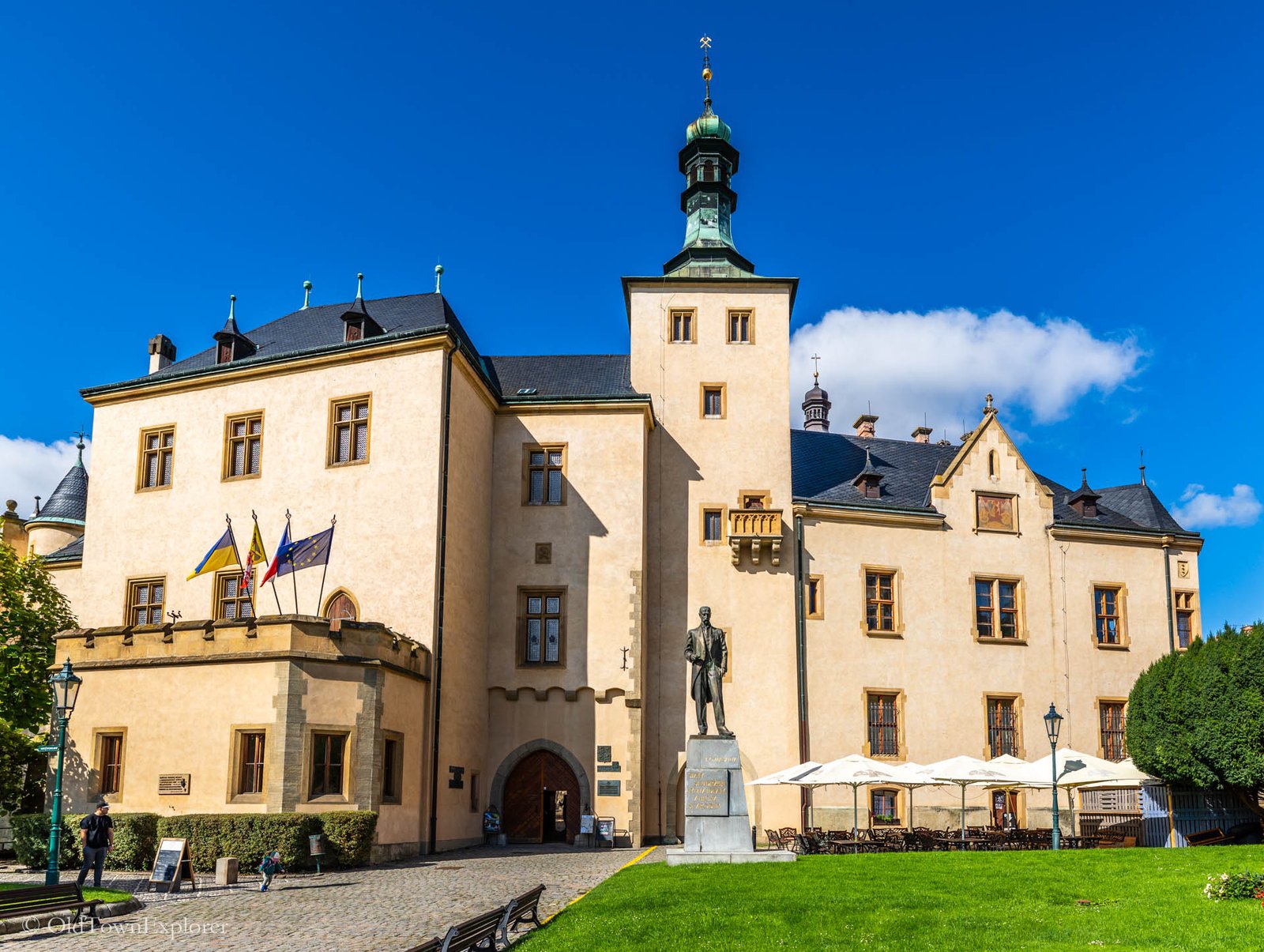
Explore Life in Kutná Hora: Pros & Cons of Living in a Bohemian Wine Town
Kutná Hora is a small town in Central Bohemia, east of Prague, with a historic center shaped by medieval silver mining. The pros and cons of living in Kutná Hora include local wine, a compact center, and useful rail connections, alongside cold winters, uneven walking routes, and limited water activities. It suits people who want historic streets and countryside walks to be part of an ordinary week.
We spent two weeks in Kutná Hora in August. That stay gave us time beyond the usual day trip to consider the town as a base for a longer stay. Here, we weigh its food, wine, walking, transport, and seasonal trade-offs to help you decide whether daily life in Kutná Hora would suit you.
This page contains affiliate links. We may earn a small commission at no extra cost to you.
Living in Kutná Hora at a Glance
Living in Kutná Hora puts local wine, Czech restaurants, and Gothic streets close together, but choosing a base matters: the historic center, Sedlec, and the main railway station serve different daily needs.
Key daily-life points:
- Best for: People who enjoy local wine, historic architecture, countryside walks, and a smaller town with rail access to Prague.
- Harder for: People who want extensive water activities, broad fashion shopping, or a large nightlife scene close to home.
- Car-free fit: Central walking, local buses, and connecting trains make a car-free stay practical, provided your accommodation suits your grocery and station routes.
- Seasonal issue: Winter brings cold weather and short days; summer walks can become uncomfortable during hot spells.
- Scouting focus: Compare a historic-center address with one nearer your preferred supermarket or transport stop, then walk the actual routes carrying groceries.
Kutná Hora město is more useful for the historic center than the main-line station. That distinction can make a bigger difference to a regular train journey than the distance to Prague itself.
Pros and Cons of Living in Kutná Hora
Kutná Hora offers enough food, wine, culture, and outdoor walking to support a slower routine. Its limitations become more noticeable when you need frequent airport trips, extensive shopping, or recreation centered on the water.
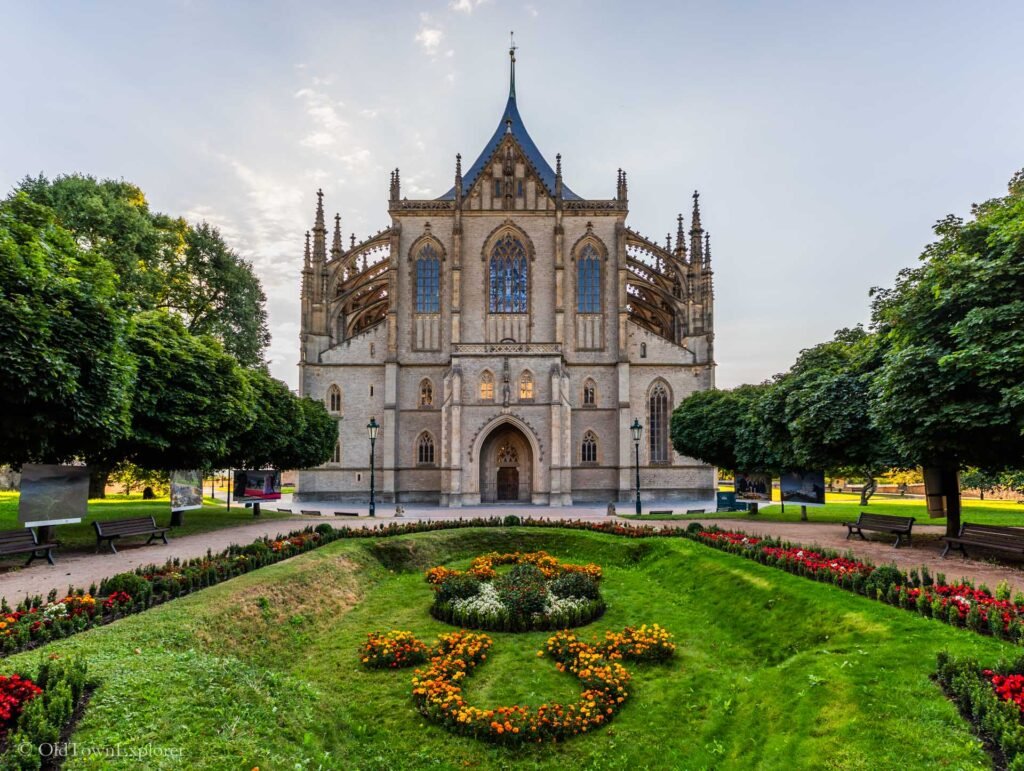
Pro: Outstanding Gothic Architecture
St Barbara’s Church, the Stone House, and Gothic streets make architecture part of everyday walking in Kutná Hora. You can enjoy the town’s buildings without arranging a separate outing each time, which adds interest to familiar routes through the center. Our Kutná Hora Architecture guide explains the main buildings and their settings.
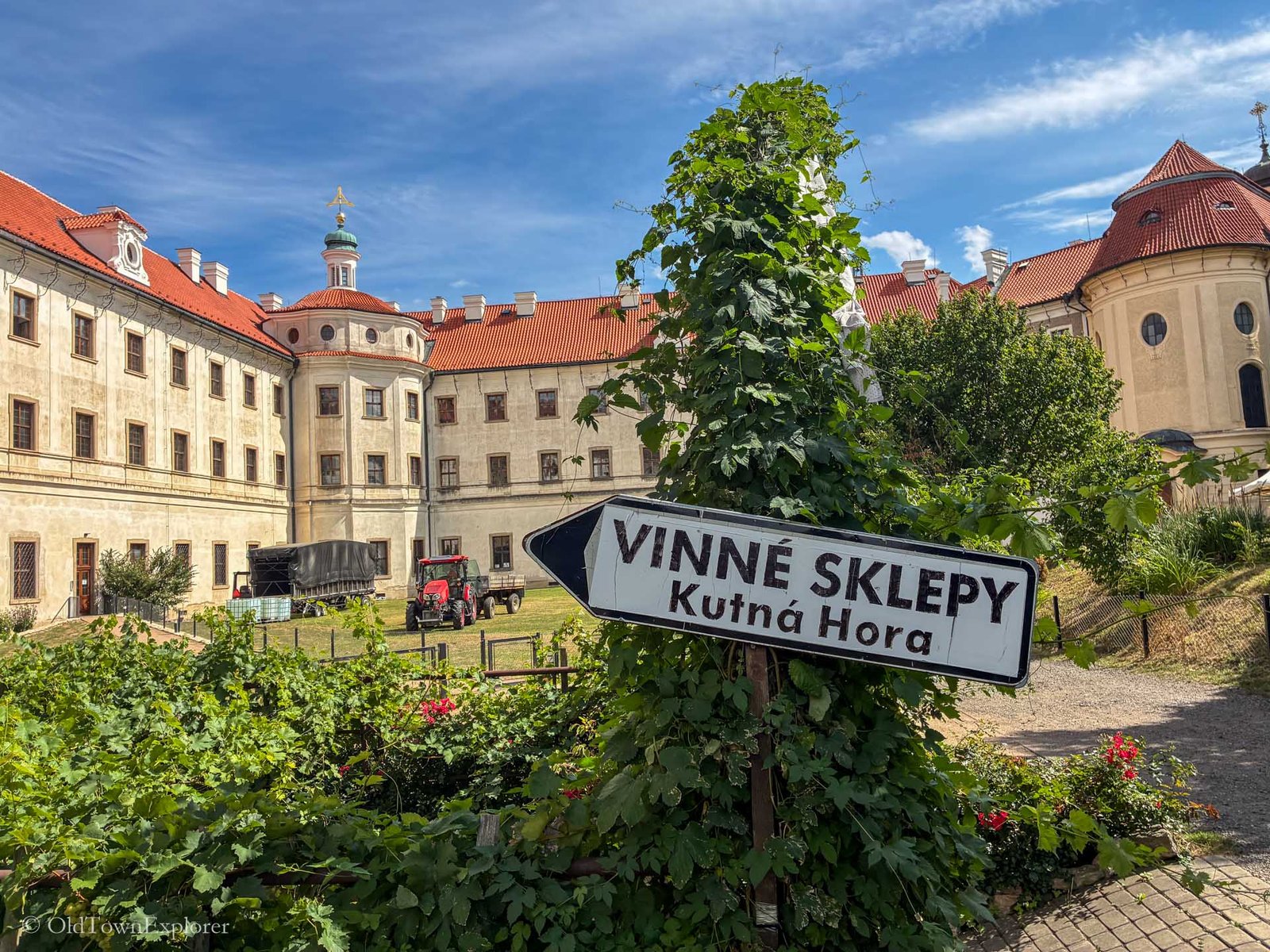
Pro: Local Wine and Vineyards
Kutná Hora has vineyards beside the historic center and local producers with tasting and bottle-buying options in town. Wine can therefore fit into a normal evening or walk rather than requiring a drive to a distant region. Our Kutná Hora Wine guide covers local varieties, wine shops, and tasting stops.
Pro: A Walkable Historic Center
Palackého náměstí, the Italian Court, Barborská, and central restaurants sit within a compact historic area. A central address lets you combine meals, coffee, and ordinary walks without using transport for every trip. The benefit is short distances between destinations; it does not mean every street is flat or the whole center is pedestrian-only.
Pro: Convenient Train Access
Direct trains connect Prague with Kutná Hora hl.n., and local trains continue toward Sedlec and Kutná Hora město near the historic center. That makes rail useful for regular trips as well as arriving with luggage. Choose the station that suits your address and check the complete journey with České dráhy, including the local connection.
Con: Day-Trip Crowds
The best-known monuments draw day visitors and organized groups, so living near a sightseeing route can mean sharing familiar streets with people moving between attractions. Sedlec’s ossuary has limited capacity and timed admission, making spontaneous visits less straightforward. The practical issue is where visitor traffic overlaps your routine, rather than assuming every part of town is equally busy.
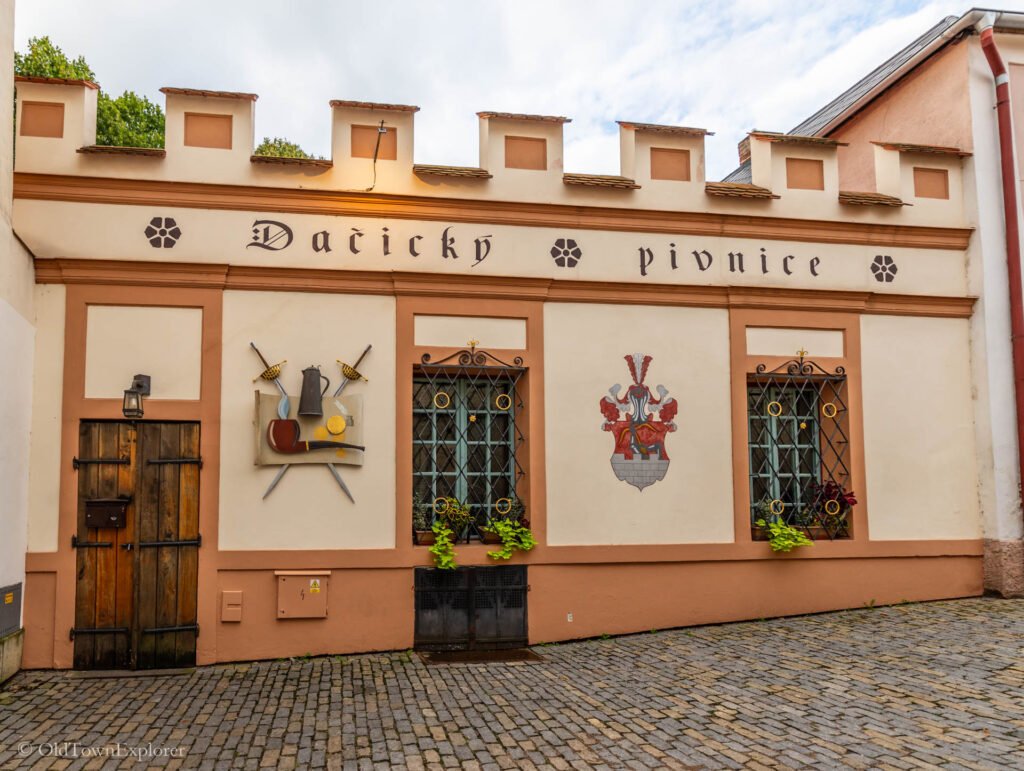
Pro: Good Czech Restaurants
The historic center offers traditional Czech meals alongside modern cooking, coffee, and homemade cakes. Restaurants around Dačického náměstí, Rakova, and Husova give you several choices without a long journey across town. Our Kutná Hora Food guide helps you vary meals between substantial Czech dishes and lighter café or contemporary options.
Pro: Practical Grocery Options
Kutná Hora has supermarkets as well as smaller central shops, so self-catering does not depend on tourist food outlets. BILLA on Lorecká and other supermarkets beyond the historic core broaden the choice for larger purchases. When choosing accommodation, compare the route to a full supermarket with the convenience of a nearby shop for small top-up purchases.
Con: Cold Winters
Winter changes the appeal of a routine built around outdoor walking, vineyard paths, and time in the squares. Cold weather and short daylight make apartment heating and comfortable indoor space more important than they may seem during an August stay. If winter is your intended season, test the town then rather than judging year-round comfort from summer alone.
Con: Hills and Uneven Walking
The historic center is compact, but slopes, steps, and uneven surfaces can make short routes more demanding than their distance suggests. That matters when carrying groceries, pulling luggage, or choosing an address for someone with limited mobility. Walk the route between your accommodation, supermarket, and station before assuming that a central location will make every errand easy.
Con: An Airport Transfer
Prague Airport is a useful international gateway, but reaching it from Kutná Hora adds ground travel and connections. A rail-based journey involves getting to Prague and then continuing to the airport by bus or another transfer. This is manageable for occasional flights, but frequent airport trips require more planning than living beside a direct airport connection.
Pro: Local Beer
Local beer gives Kutná Hora another drink connection beyond its vineyards, and Czech beer fits naturally into the town’s pub and restaurant culture. You can enjoy it with an ordinary meal rather than organizing a brewery excursion. For a longer stay, having both local wine and beer gives you variety without needing a large specialist bar scene.
Pro: Useful Local Public Transport
Local buses and trains connect parts of Kutná Hora that lie beyond the compact historic center, including the main station and Sedlec. They provide useful alternatives when a walk is too long, the weather turns, or you have shopping to carry. The town’s public transport maps help you compare accommodation with the routes you would use regularly.
Pro: A Long Silver-Mining History
Medieval silver mining and royal coin production explain much of Kutná Hora’s layout and its prominent buildings. Living here gives you time to follow those connections gradually through the Italian Court, Hrádek, and surrounding streets. The benefit extends beyond a single museum visit: familiar places become more interesting as you learn why the town developed around them.
Pro: Art at GASK
GASK occupies the former Jesuit College and offers a permanent collection alongside changing exhibitions. It gives a small town a substantial art venue you can return to during a longer stay, rather than exhausting its cultural options in one afternoon. The gallery’s gardens and outdoor sculpture also add interest to regular walks near St Barbara’s.
Pro: Distinctive Local Museums
The Czech Museum of Silver brings together Hrádek, the medieval mine, the Stone House, and the Tyl House. These offer different ways to explore the town’s mining, domestic, and cultural history over time. For longer stays, the advantage is having several focused museum options close by, although individual exhibitions and underground visits need to fit their operating seasons.
Pro: Hiking from Town
The Vrchlice Valley gives you access to longer walks through woodland, former mill sites, and the landscape south of Kutná Hora. Routes can begin from town, so getting outdoors need not involve driving to a trailhead. The regional tourism board’s circular route provides one starting point, with uneven terrain to consider when choosing your distance.
Pro: Varied Day Trips
Kutná Hora’s position allows you to combine small-town living with occasional trips to Prague and other parts of Central Bohemia. Nearby destinations such as Kačina add countryside and château visits to the options. Rail works well for some outings, while rural stops may need buses or a car, so the usefulness depends on which excursions you want regularly.
Con: Limited Fashion Shopping
Everyday shops and groceries meet different needs from a broad selection of fashion stores. Kutná Hora is a smaller base for clothing purchases, so someone who enjoys frequent shopping may prefer occasional trips to Prague. For practical living, separate the things you can buy locally each week from specialist purchases you would be comfortable arranging elsewhere.
Con: A Smaller Nightlife Scene
Kutná Hora has pubs and bars, but its evening options operate on a smaller scale than Prague’s. That can be a drawback if a wide choice of late-night venues is central to your social life. If you prefer meals, a glass of local wine, and an evening walk, the smaller scene may matter much less to your routine.
Con: Summer Heat
Summer brings long days for walking, but hot spells can make exposed streets and countryside routes uncomfortable. A central location still needs to work when you are carrying shopping in warm weather, not only during a pleasant evening stroll. Check shade, window orientation, ventilation, and any cooling equipment before committing to an apartment for the warmer months.
Con: Seasonal Sightseeing Limits
Not every cultural activity is available throughout the year on the same schedule. The medieval mine and museum programs require seasonal planning, reducing the flexibility to treat them as spontaneous outings whenever you have visitors. Before choosing a winter stay, check which indoor places you would actually use rather than assuming the summer selection remains fully available.
Con: Sedlec Is Separate
Sedlec and the historic center form separate areas, so the ossuary and cathedral are not simply another stop within the central streets around St Barbara’s. An address that suits Sedlec or the main station may be less convenient for your preferred restaurants and central walks. Choose your base around repeated daily journeys rather than proximity to one famous monument.
Con: Limited Water Activities
Kutná Hora is a weaker fit if you want rafting, lake sports, or seaside recreation to shape your daily life. Local swimming options do not give it the range of activities associated with a rafting river, a major recreational lake, or the coast. Its outdoor strengths are walking and hiking, so regular water sports would mean looking farther afield.
Discover Kutná Hora Before Moving
A scouting stay should include ordinary days: shopping for food, making your usual walks, spending time indoors, and checking the transport you would rely on. Compare the town in your intended season, especially if your first visit was in summer and you are considering a winter stay.
Hotels and Apartments
Start by comparing accommodation around Palackého náměstí with addresses toward Kutná Hora město or the supermarket routes outside the historic core. Sedlec offers a different balance of rail access and central walking. Our Kutná Hora guide explains the areas, while your scouting stay should test grocery distances, slopes, night noise, and indoor comfort.
Use the interactive map below to compare hotels and apartments around Palackého náměstí, near Kutná Hora město station, and in Sedlec. Choose a base that lets you test the journeys you would repeat during a longer stay.
Tips for Living in Kutná Hora
Your address will shape how convenient Kutná Hora feels. Test a few repeated journeys and the apartment’s comfort before committing to a longer stay.
Walk your grocery route
Try the journey to a full supermarket with a shopping bag, rather than measuring only the distance on a map. Include the uphill return, crossings, and any steps between the street and your apartment.
Check the complete train journey
Search from your intended departure point to the station you would actually use. Include the connection between Kutná Hora hl.n. and město, then check the last part of the trip to your address.
Test the apartment temperature
Ask how heating works in winter and inspect ventilation and cooling for summer. Window orientation and indoor working space matter when the weather makes long outdoor days less appealing.
Listen at different hours
Visit the street during the day and again in the evening. An address near restaurants or a sightseeing route may feel different at lunchtime, after dinner, and early in the morning.
Try your outdoor routine
Walk your intended exercise route from the apartment door, including the return. If water sports are essential to your week, establish where you would travel for them before choosing Kutná Hora as your base.
FAQs About Living in Kutná Hora
Is Kutná Hora a good place to live?
Kutná Hora can suit people who value local wine, historic streets, Czech restaurants, and countryside walks in a smaller town. It is less suited to people who want extensive water activities, broad late-night entertainment, or frequent airport access. Your intended season and accommodation location make a substantial difference.
Can you live in Kutná Hora without a car?
A car-free stay is practical if your address suits your grocery, walking, and station routes. Local buses and trains cover journeys beyond the historic center, while rail connects the town with Prague. A car becomes more useful when frequent trips to rural places are part of your routine.
Where should you stay for a longer visit?
The historic center is a useful starting point when restaurants and central walks matter most. An address nearer Kutná Hora město or a supermarket may better suit repeated train journeys or self-catering. Sedlec is worth comparing when its location meets your daily needs, but it is separate from the main historic-center cluster.
Is Kutná Hora affordable for a long stay?
Affordability depends on your accommodation and routine; a small-town address alone does not establish a low monthly budget. Price a suitable apartment for your actual dates, including utilities, then add groceries, meals out, and transport. Heating needs and repeated trips to Prague can change the total.
Does Kutná Hora suit year-round living?
It can, provided cold winters and occasional summer heat suit you and your apartment handles both. Our August stay does not establish winter housing comfort. A winter scouting visit is especially useful if outdoor exercise is important or you prefer mild weather throughout the year.
