
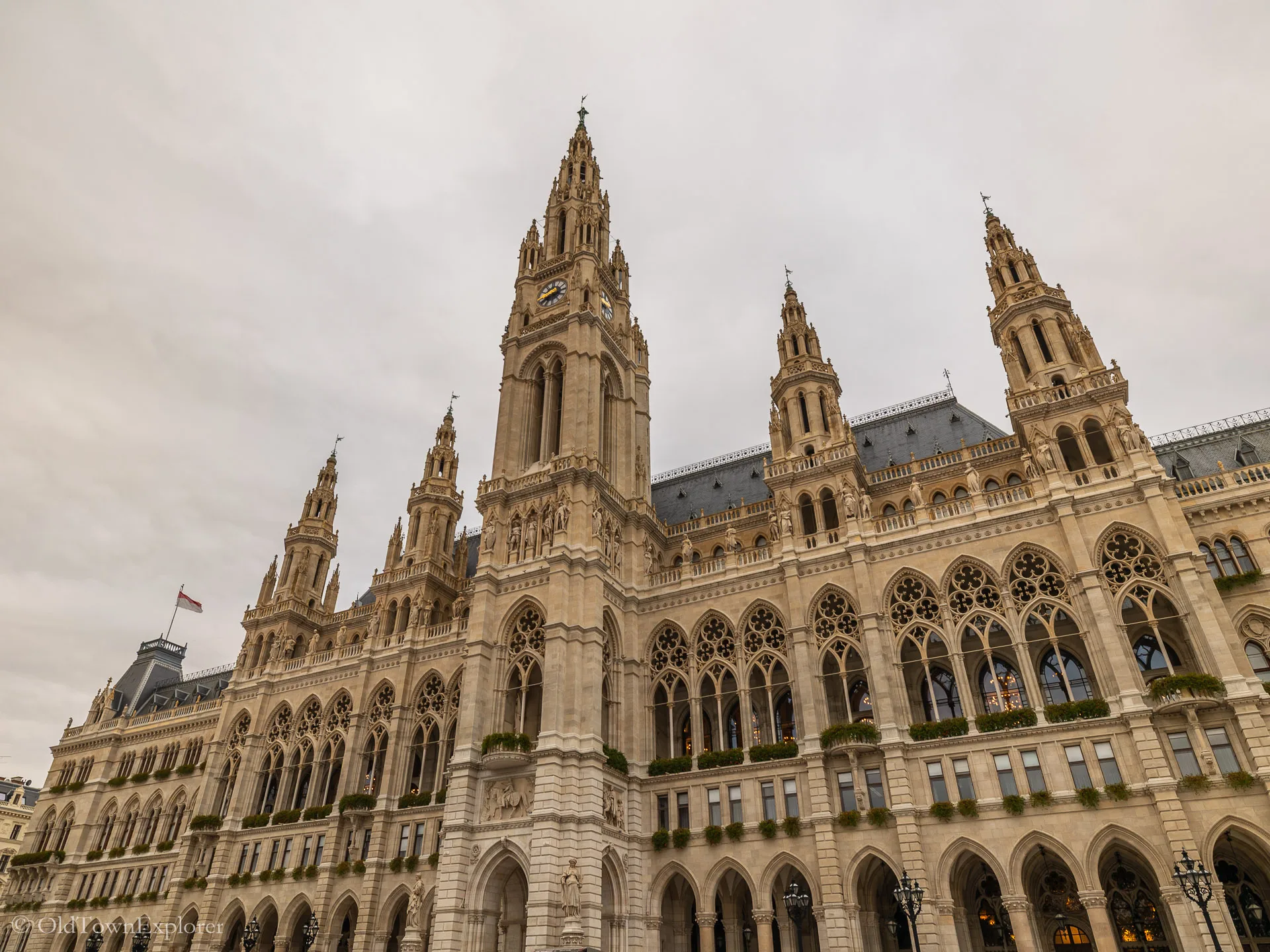
Explore Life in Vienna: Pros & Cons of Living in Austria’s Imperial Capital
Vienna is Austria’s capital and one of Central Europe’s strongest long-stay bases. The pros and cons of living in Vienna usually come down to public transport, housing comfort, winter weather, food routines, cultural depth, and whether you want a polished inland city instead of a warmer coastal lifestyle.
We spent a month in Vienna, with time for grocery runs, tram and U-Bahn trips, markets, restaurants, wine bars, neighborhood walks, architecture days, and normal apartment routines. Vienna works best when you use transit well, choose the right district, and accept that winter, rules, and social pace shape daily life as much as the museums and palaces do.
This website contains affiliate links that may earn us a small commission at no additional cost to you.
Living in Vienna at a Glance
This overview summarizes who tends to do well in Vienna, who tends to struggle, what is most noticeable day to day, and the main trade-offs to expect.
Key daily-life points:
- Best for: People who want a large, walkable, transit-first city with museums, parks, cafés, food markets, wine bars, and strong rail access.
- Harder for: People who want warm winters, beach life, casual social integration, easy driving, late Sunday shopping, or lower central housing pressure.
- What stands out: U-Bahn, tram, bus, and S-Bahn access make many normal errands possible without a car, especially near the center and strong transit corridors.
- Top trade-off: Vienna gives comfort, culture, and infrastructure, but the best daily-life setup depends heavily on district, apartment quality, winter habits, and tolerance for rules.
- Scouting focus: Test grocery runs, tram or U-Bahn access, night noise, Sunday routines, winter comfort, apartment heat or ventilation, and the distance from your preferred district to the center.
Vienna is a strong fit for slow travelers, remote workers, families, culture-heavy residents, and car-free city people. It is less convincing if your ideal routine depends on warm evenings, spontaneous shopping, beach access, or a fast social circle.
Pros and Cons of Living in Vienna
Daily life in Vienna is less about sightseeing and more about how well the city fits your routines: transit, housing, winter weather, food shopping, walking, noise, paperwork, and the kind of neighborhood you choose.
Pro: Car-free routines
Vienna is one of the easiest large European cities to manage without a car. The city’s public transport network includes U-Bahn, trams, buses, S-Bahn, regional trains, and night buses, so commuting, errands, museums, markets, and dinners do not need to depend on driving.
The main catch is location. Life feels much easier near a U-Bahn, tram, or reliable bus corridor than in an apartment that looks central on a map but adds awkward transfers to normal errands.
Con: Central housing pressure
The most convenient districts can be expensive, competitive, or full of trade-offs. A flat near the Innere Stadt, Ringstrasse, Neubau, Josefstadt, Leopoldstadt, or Landstraße can save time, but it may also mean smaller rooms, older buildings, street noise, or higher rent.
Do not judge Vienna housing only by distance to St. Stephen’s Cathedral. Check the actual building, tram or U-Bahn access, windows, heating, cooling, stairs, courtyard noise, and grocery distance.
Pro: Walkable inner districts
The Innere Stadt and nearby districts work well for daily walking. Stephansplatz, Kärntner Straße, Graben, the Hofburg, MuseumsQuartier, Naschmarkt, Karmelitermarkt, and the Ringstrasse can become normal routes instead of occasional sightseeing stops.
The trade-off is crowd pressure. The same streets that make errands pleasant can feel tiring around major sights, Christmas markets, museum entrances, and peak weekend shopping hours.
Con: Gray winters
Vienna winters are manageable, but they can feel long, cold, and gray. Outdoor café life, park routines, and casual evening walks are less appealing when daylight is short and damp cold settles into the streets.
Winter works better when your apartment is comfortable and your routine includes museums, concerts, cafés, markets, gyms, language classes, or indoor work habits. Test winter comfort before judging Vienna only from spring or autumn.
Pro: Deep culture access
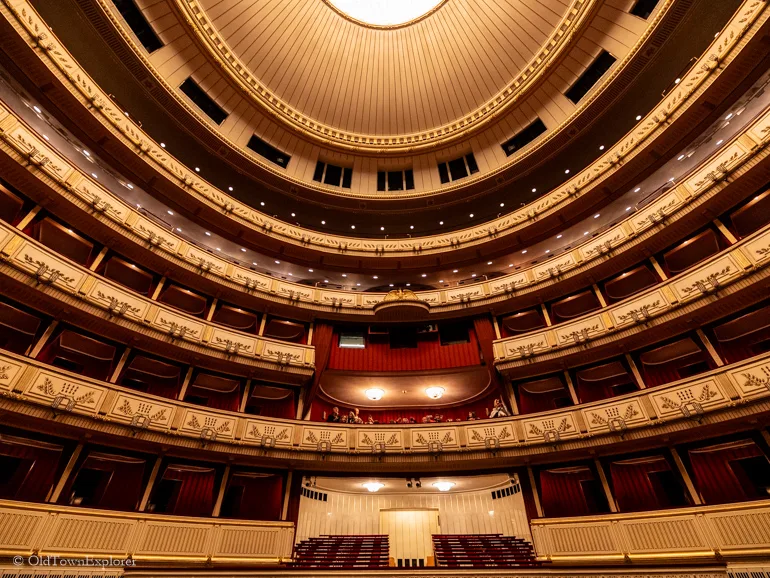
Vienna’s museums, concerts, opera, galleries, churches, and historic interiors are strong enough to shape normal life. Vienna tourism describes the city as having more than 100 museums, which matters because cultural access can become a weekly routine rather than a special outing.
This is a major advantage for residents who actually use it. If museums and performances are only occasional treats for you, Vienna’s cultural depth may matter less than housing, weather, or neighborhood comfort.
Con: Peak-sight crowds
Vienna is not as chaotic as some larger tourist capitals, but the major sights still attract steady crowds. St. Stephen’s Cathedral, Schönbrunn, the Hofburg, the State Opera area, Christmas markets, and popular museum blocks can feel busy during peak hours and high seasons.
Residents can work around this by using side streets, visiting early, and choosing neighborhood routines. The issue is bigger if your apartment sits directly on a visitor-heavy street.
Pro: Strong food routines
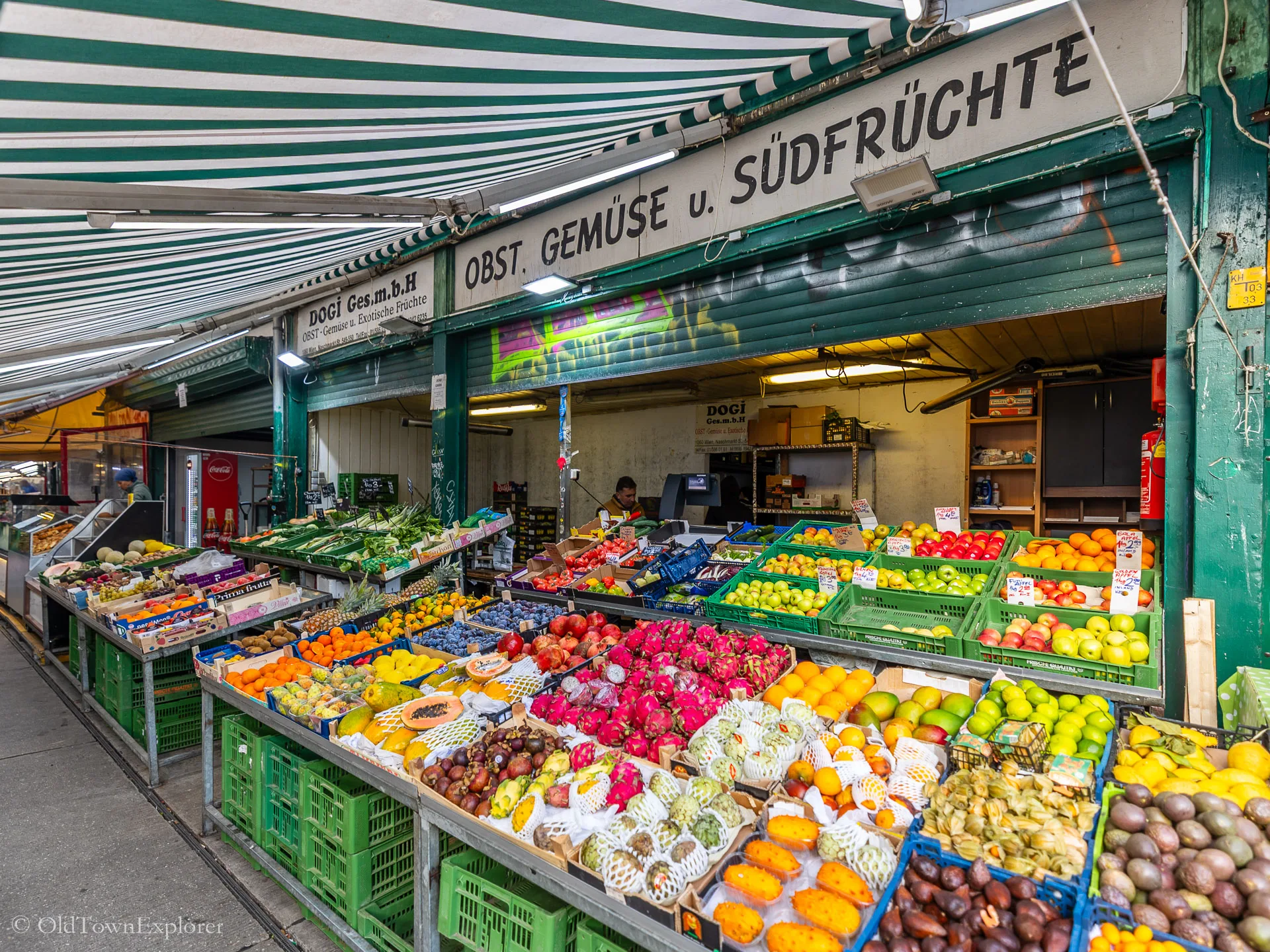
Vienna is easy to live in if food matters. Markets, bakeries, grocery stores, Würstelstände, cafés, Beisln, modern restaurants, and apartment cooking all fit into weekly routines, especially around Naschmarkt, Karmelitermarkt, Brunnenmarkt, Neubau, Leopoldstadt, and the Innere Stadt.
Use Vienna Food when you want dishes, markets, and restaurant choices. For living, the bigger question is whether your neighborhood gives you groceries, cafés, and casual meals without crossing the city.

Pro: Everyday wine culture
Vienna has a rare wine advantage for a capital city: vineyards, Heuriger wine taverns, wine bars, and bottle shops all sit inside the city’s daily-life map. Vienna tourism notes that the city has enough wine growing inside its boundaries to be noteworthy.
Use Vienna Wine for wine bars, shops, wineries, and Heuriger areas. For living, the advantage is simple: wine can be a normal Friday-night or weekend routine, not a special regional trip.
Con: No coastal life
Vienna is inland, and that changes summer and weekend life if you love the sea. The Danube, Alte Donau, pools, lakes, and lidos help, but they do not replace a coastal city with beaches, salt air, boats, and seaside promenades.
This matters most for people comparing Vienna with places like Split, Trieste, Barcelona, San Sebastián, or coastal Italy. If water is central to your identity, Vienna may feel too landlocked.
Pro: Danube swim options
Vienna is not coastal, but summer is not waterless. The Alte Donau has public lidos, free bathing places, swimming areas, and jetties, while Danube Island adds cycling, walking, swimming, and open-air routines.
The advantage is strongest for residents who choose housing with practical U-Bahn or bike access to the water. It is weaker if you expect a beach outside your door.
Pro: Rail weekends
Vienna is a strong base for regional travel. ÖBB rail access makes it practical to plan weekends or day trips to places such as Bratislava, Graz, Salzburg, the Wachau, Budapest, Prague, or other Austrian and Central European destinations.
The rail advantage matters most for people who want Vienna as a base, not just a final destination. If you rarely leave the city, rail access is still useful but not a reason by itself to choose Vienna.
Con: Sunday errands need planning
Sunday shopping is not a small adjustment if you are used to everyday convenience. Austria’s business-hours rules require most sales outlets to close on Sundays and public holidays, with exceptions for places such as airport, railway station, museum, and other special sales outlets.
Plan grocery runs before Sunday, learn which station shops matter near you, and keep basic pantry food at home. This rhythm becomes normal, but it can be irritating during the first month.
Pro: Green space
Vienna balances large-city density with serious green space. The Green Prater is a major local recreation area with meadows, woods, a long main avenue, walking, jogging, cycling, skating, and year-round outdoor routines.
Green space matters most if your district gives you easy access to Prater, Stadtpark, Augarten, Türkenschanzpark, Schönbrunn gardens, Belvedere gardens, Danube Island, or the Vienna Woods edge. Check the park you will actually use, not just the citywide reputation.
Con: Older apartment comfort
Older Vienna apartments can be beautiful, but comfort varies. High ceilings, older windows, thick walls, courtyard layouts, limited elevators, heating systems, summer heat, and winter damp can matter more than the building’s charm.
Look carefully at light, ventilation, noise, stairs, insulation, and heat. A beautiful Altbau flat can be wonderful, but it is not automatically comfortable for remote work or a long winter.
Pro: Useful airport access
Vienna International Airport makes the city easier for long stays that involve family visits, work trips, or intercontinental travel. The airport’s own route information lists long-distance destinations and current flight details, so it is a better base than many smaller Central European cities for air travel.
Flight routes change by season and airline, so do not choose Vienna based on one current route. The daily-life advantage is having a serious airport close enough to use without turning every trip into a multi-leg journey.
Con: German still matters
You can manage many central restaurants, museums, cafés, and international work settings in English, but German still matters for deeper daily life. Bureaucracy, housing, healthcare appointments, repair workers, landlords, schools, notices, and neighborhood routines become easier when you understand basic German.
Vienna is not impossible without German, but it is more comfortable with it. Treat language as part of your setup, not as an optional cultural bonus.
Pro: Family routines
Vienna can work well for families because transit, parks, museums, playgrounds, schools, medical access, and predictable city services fit into normal routines. The city also offers many indoor options when winter or rain changes outdoor plans.
The family fit depends heavily on district and apartment. Stairs, elevators, stroller access, school distance, park access, and quiet streets matter more than the city’s broad reputation.
Con: Reserved social pace
Vienna can feel formal or reserved, especially for newcomers from more casual social cultures. Polite service and orderly routines do not always translate into quick friendships or easy neighbor relationships.
This is not a reason to rule out Vienna, but it changes expectations. Social life often builds through work, language classes, hobbies, parents’ networks, regular cafés, dog routines, or repeat neighborhood places.
Pro: Distinct neighborhoods
Vienna’s districts are not interchangeable. Innere Stadt, Leopoldstadt, Landstraße, Wieden, Mariahilf, Neubau, Josefstadt, Alsergrund, Döbling, Hietzing, and Favoriten all create different daily routines.
This gives you room to choose a lifestyle: central walks, market access, museum proximity, parks, quieter residential streets, airport-train convenience, wine-village access, or better value farther from the core.
Con: District choice matters
The wrong district can make Vienna feel harder than it needs to be. A cheaper flat may add long transfers, weak grocery access, night noise, fewer cafés, poor light, or an awkward commute.
Test the exact route from the apartment to your grocery store, U-Bahn or tram stop, work area, favorite food district, and evening return path. In Vienna, “good district” is not enough; the micro-location matters.
Pro: Coffeehouse routines
Vienna’s coffeehouses are useful for more than travel atmosphere. They can support reading, meetings, slow afternoons, work breaks, desserts, newspapers, and cold-weather routines.
The strongest daily-life value comes when you find local cafés near your apartment rather than only famous central names. A neighborhood coffeehouse can become part of weekly rhythm; a famous one may stay a visitor experience.
Con: Tourist-core restaurants
Food is a strength, but the streets around major sights can still feel visitor-focused. Restaurants near Stephansplatz, Kärntner Straße, Schönbrunn, and some museum corridors may be convenient but not always the best daily-life value.
This is easy to solve with time. Residents usually build routines around markets, neighborhood Beisln, casual places, bakeries, and restaurants outside the most obvious sightseeing streets.
Con: District choice matters
Vienna has strong access to Austrian staples and international groceries. Turkish, Balkan, Asian, Italian, Middle Eastern, and specialty food shops can make apartment cooking easier than in smaller Austrian towns.
This advantage depends on district. If cooking matters, scout grocery stores, markets, bakeries, butcher shops, wine shops, and specialty stores before committing to a neighborhood.
Con: Rules and paperwork
Vienna daily life comes with rules, forms, appointments, registrations, and waste separation habits. The City of Vienna explains that residence registration must be completed after moving into a new address, so paperwork is not something to leave vague.
This does not make Vienna unlivable, but it rewards organized people. Keep copies, learn basic German terms, confirm deadlines from official sources, and build extra time into administrative tasks.

Pro: Architecture-rich walks
Vienna’s architecture improves ordinary days because churches, palaces, Ringstrasse façades, courtyards, Secession buildings, and historic streets sit inside normal walking routes. A grocery run or tram transfer can still pass the Hofburg, Karlskirche, St. Stephen’s Cathedral, or an Otto Wagner station.
Use Vienna Architecture for buildings and walking priorities. For living, the benefit is that the city remains visually rewarding after the first week.
Con: Big-city scale
Vienna is polished and manageable, but it is still a large capital. Crossing the city can take time, districts feel different, and daily life is easier when you choose a base that matches your routine.
This matters if you imagine Vienna as one compact old town. It is better to think in districts, transit lines, and weekly patterns than to assume every part of the city works the same way.
Pro: Long-stay depth
Vienna gets better when you stay long enough to build routines. Museums, markets, cafés, parks, wine areas, concerts, trams, U-Bahn lines, and neighborhood restaurants reward repetition more than rushing.
This is the city’s strongest living argument. Vienna may not give instant warmth or coastal ease, but it gives structure, depth, and enough variety to keep a long stay from feeling thin.
Discover Vienna Before Moving
A scouting stay in Vienna should test normal routines, not just museums and palaces. Use the stay to check grocery runs, tram or U-Bahn access, night noise, Sunday shopping, winter comfort, apartment stairs, and whether your preferred district still feels practical after several ordinary days.
Hotels and Apartments in Vienna Before Moving
Choose a hotel or apartment in the kind of area you might actually live in, not only beside the biggest sights. The Innere Stadt, Leopoldstadt, Neubau, Josefstadt, Landstraße, Alsergrund, Döbling, Hietzing, and other districts can feel very different once you test groceries, transit, parks, cafés, quiet streets, and evening returns.
Use the interactive map below to compare hotels and apartments near the Innere Stadt, Ringstrasse, Leopoldstadt, Neubau, Josefstadt, Landstraße, Alsergrund, Döbling, Hietzing, U-Bahn stops, tram lines, grocery stores, parks, and the areas you want to test before choosing a longer stay.
Tips for Living in Vienna
Vienna is easiest when you treat the first month as a routine test. Focus on the apartment, district, transport, groceries, and paperwork before you worry about seeing every landmark.
Pick transit-first housing
Choose housing around the tram, U-Bahn, S-Bahn, or bus route you will actually use. A beautiful apartment becomes less appealing if every grocery run, dinner, or work trip requires awkward transfers.
Test winter routines
Think through winter before signing a longer stay. Check daylight, heating, indoor work comfort, cafés, gyms, museums, and the routes you will still use when cold weather makes long walks less tempting.
Check building comfort
Look beyond the façade. Check windows, noise, heating, cooling, elevator access, stairs, courtyard position, laundry setup, and whether the apartment works for remote work or long evenings at home.
Plan Sunday groceries
Most shops close on Sundays and public holidays, with limited exceptions. Learn your closest Saturday grocery option, station shop, bakery, pharmacy, and backup food plan before the first Sunday catches you empty-handed.
Build paperwork buffer
Keep documents organized and use official Vienna and Austrian sources for registration, residency, tax, insurance, pets, healthcare, and work questions. Vienna rewards people who handle forms early instead of waiting for a deadline.
FAQS About Living in Vienna
Is Vienna walkable for daily life?
Yes, Vienna is walkable in the central and inner districts, especially around the Innere Stadt, Ringstrasse, Neubau, Josefstadt, Leopoldstadt, Landstraße, and major transit corridors. The best setup is walking plus U-Bahn, tram, bus, or S-Bahn, not walking alone.
Can you live in Vienna without a car?
Yes, many residents can live in Vienna without a car. Public transport covers most normal routines well, but your apartment should be close to the route you will use for groceries, work, school, parks, and evening returns.
What is the biggest downside of living in Vienna?
The biggest downside is the combination of central housing pressure, gray winter weather, and a reserved social pace. These issues are manageable, but they matter more over several months than they do during a short visit.
Do you need German to live in Vienna?
You can start in Vienna with English, especially in central and international settings, but German makes life easier. Housing, paperwork, healthcare, schools, repairs, official notices, and neighborhood relationships are smoother when you know basic German.
What should I test before moving to Vienna?
Test the exact apartment location, grocery routine, transit route, night noise, winter comfort, Sunday shopping plan, and how often you actually use museums, parks, cafés, wine bars, and markets. Vienna is strongest when your daily route matches the district you choose.
For the broader destination plan, start with Vienna. For restaurants, markets, cafés, and dishes that affect weekly routines, use Vienna Food. For wine bars, Heuriger areas, and local bottles, continue with Vienna Wine. For churches, palaces, Ringstrasse buildings, and architecture walks, use Vienna Architecture.
