
Explore Life in Wroclaw: Pros & Cons of Living in Lower Silesia’s River City
Wroclaw is a large city in southwestern Poland, where the Odra River divides into channels around central islands. The pros and cons of living in Wroclaw start with a compact pedestrian Old Town, restaurants beyond the main square, and access to Lower Silesian wine. Living centrally can put meals, market shopping, and river walks within easy reach, although winter weather, summer apartment heat, and noise around Rynek can change that experience.
We spent a month in Wroclaw. Our time covered food, wine, and architecture across the Old Town, river islands, market areas, and residential streets. That experience gives a basis for considering a longer stay, with particular attention to the streets you would use every day and the difference between enjoying the center and sleeping comfortably near it.
This page contains affiliate links. We may earn a small commission at no extra cost to you.
Living in Wroclaw at a Glance
Living near Wroclaw’s Old Town can put a food market, restaurants, wine bars, and Odra walks within the same daily routine. The main square is convenient for meals out, but its evening activity makes the exact apartment address important.
Key daily-life points:
- Best for: People who want walking to be part of daily life, enjoy Polish and regional wine, and like occasional train trips around Lower Silesia.
- Harder for: People seeking mild winters, guaranteed quiet beside a busy square, or casual swimming in the river near home.
- What stands out: River islands and bridges connect outdoor time with central streets, while Hala Targowa supports cooking at home.
- Top trade-offs: Cold winter days, hot summer spells, and central evening noise make heating, cooling, and bedroom orientation important.
- Scouting focus: Compare an Old Town edge address with Nadodrze or Ołbin, testing groceries, river access, and the journey to your usual destinations.
A central base can work without a car, but countryside winery visits require a separate transport plan. Regional trains serve many towns; they do not necessarily take you to a vineyard entrance.
Pros and Cons of Living in Wroclaw
Wroclaw suits a routine built around central walks, meals out, market shopping, and time beside the Odra. A longer stay also opens up regional wine and hiking, while the apartment’s position, seasonal comfort, and journeys beyond the center determine how easily those interests fit into an ordinary week.

Pro: Strong Restaurants Beyond Market Square
Wroclaw’s restaurant choices extend beyond Rynek, with Polish cooking, milk bars, contemporary dining, and neighborhood places that can sustain regular meals out. This gives a longer stay more variety than repeatedly eating around the main square. Our Wroclaw food page covers the deeper dining questions; proximity to your apartment determines which options become ordinary weeknight choices.
Pro: Lower Silesian Wines Within Reach
Wroclaw’s wine bars and shops offer a way to explore Lower Silesian bottles while living in the city, without arranging a vineyard visit for every tasting. Regional wine can become part of meals out and buying bottles for home. Our Wroclaw wine page covers that access, although individual selections change and not every bar emphasizes Polish producers.
Pro: A Walkable Pedestrian Old Town
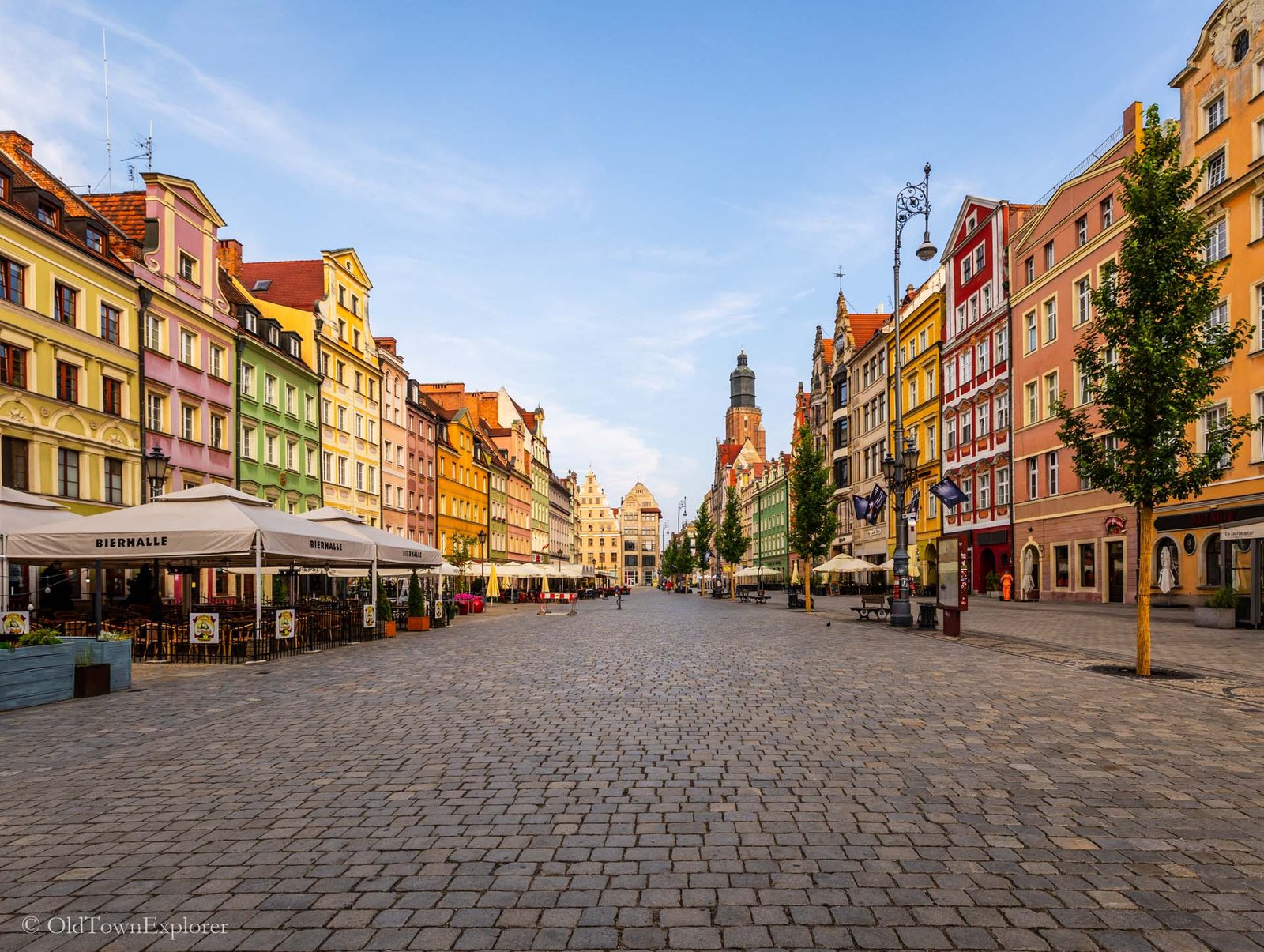
The pedestrian streets around Rynek make central Wroclaw practical for combining short errands, cafés, and meals on foot. A well-chosen nearby apartment can reduce the number of ordinary trips that need transport. The advantage has geographic limits: a workplace or preferred supermarket beyond the Old Town may still require a tram, bus, or a longer walk.
Pro: River Islands on Your Doorstep
Wroclaw’s central river islands and connected banks make a short walk beside the Odra possible without leaving the city center. They give residents somewhere to spend time outside between work, shopping, and dinner. The bridges nearest your apartment determine the useful route, and popular islands can feel social and busy rather than secluded on warm evenings.
Con: Winter Cuts Into Outdoor Life
Cold weather and short winter days reduce the comfortable outdoor time available for Wroclaw’s river walks, cycling, and central wandering. A routine that feels easy during a warm month may involve shorter outings and more indoor stops later in the year. Reliable heating and convenient nearby shops matter particularly if outdoor walking is your main way of getting around.
Con: Summer Apartments Can Get Hot
Hot spells can make Wroclaw apartments uncomfortable, especially when strong afternoon sun reaches the rooms where you work or sleep. Being close to the river does not guarantee a cool bedroom. Check shade, ventilation, and the actual cooling equipment, including which rooms it serves, rather than relying on a listing’s general description of a comfortable apartment.
Pro: Architectural Variety Without Long Journeys
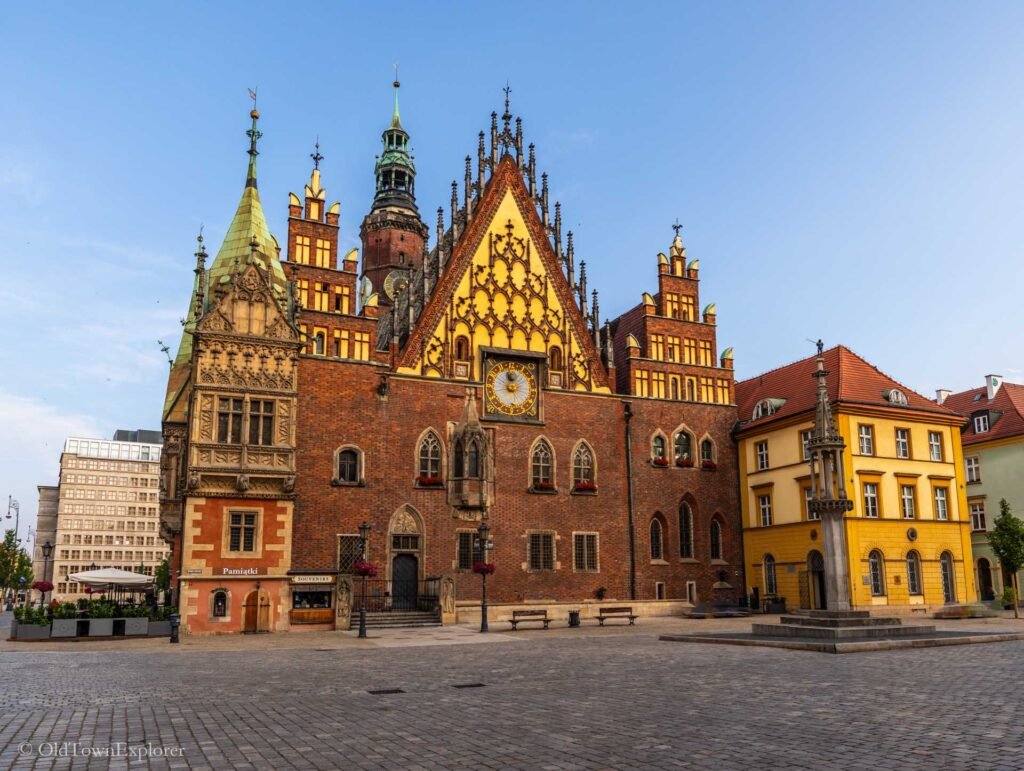
Central Wroclaw brings reconstructed market-square facades, Gothic churches, Baroque university buildings, and older residential streets into nearby walks. During our month, we explored architecture across the Old Town, river islands, and residential areas. Our Wroclaw architecture page covers the buildings and history; farther sites such as Centennial Hall still need a separate walk or tram journey.
Pro: Hala Targowa Supports Everyday Cooking
Hala Targowa offers produce, bread, dairy, meat, and other food shopping near the university quarter and central river crossings. For people who cook regularly, it adds a substantial market option within reach of an Old Town base. Its usefulness depends on your shopping hours and carrying distance, so compare it with the supermarket you would use for a larger weekly shop.
Con: Rynek Living Can Mean Late Noise
Living on or immediately beside Rynek puts restaurants and evening activity close to home, which can also mean noise near your bedroom. The convenience of stepping outside for dinner needs to be weighed against the hours you want to sleep. Check the building after dark and establish whether the bedroom faces the square, another busy street, or a quieter courtyard.
Pro: Trams Extend Your Neighborhood Choices
Wroclaw’s trams and buses make it possible to choose a home beyond the pedestrian center while keeping regular access to central destinations. This can broaden the apartments worth considering for a longer stay. Check MPK Wrocław for current routes and service changes, and compare direct journeys rather than assuming every address near a stop is equally convenient.
Pro: Kayaking Through the City
Kayak rentals and boat outings let Wroclaw residents use the Odra for recreation, adding a different activity from walking along its banks. Access points such as Odra Centrum make outings on the water possible within the city. Availability is seasonal, and operators’ route guidance and river conditions matter, so paddling should be planned rather than treated as an unrestricted daily option.
Con: The Odra Is Not for Swimming
Swimming in the Odra is prohibited within Wroclaw, so a riverside address does not provide a place for casual swims near home. The city does have pools and designated seasonal bathing areas, including Morskie Oko and Glinianki. If swimming is part of your routine, compare access to those facilities and their current opening arrangements instead of relying on proximity to the river.
Pro: Vineyard Visits Beyond the City
Lower Silesia’s vineyards make producer visits possible during a longer Wroclaw stay, adding occasional countryside outings to the wine available in city bars. Wineries such as Adoria offer a different experience from ordering regional bottles with dinner. Confirm the visit and transport in advance, since countryside locations may require a car or arranged transfer even when nearby towns have trains.
Pro: Regional Trains Open Up Lower Silesia
Regional trains from Wroclaw make towns such as Świdnica and Legnica practical places to explore during a longer stay. This gives you architectural and cultural outings beyond the city without needing a car for every excursion. Consult Koleje Dolnośląskie’s current timetables and include the trip to Wrocław Główny and the walk from the destination station when assessing the day.
Pro: Ślęża Adds Real Hiking Options
Ślęża provides hill trails near Sobótka for residents who want more demanding walks than Wroclaw’s urban paths. It adds a hiking option to a city base, with the wider Sudetes available for longer excursions. The outing still needs a transport plan, suitable conditions, and enough time for the chosen trail; a train to Sobótka is not the end of the journey.
Con: Central Convenience Can Raise Housing Costs
A Wroclaw apartment close to your preferred restaurants, market, and river walks may cost more than a less central alternative with similar space. That convenience deserves a place in the budget alongside the rent itself. Compare equivalent apartments and all recurring charges, then consider whether a useful tram connection makes a farther address worth the additional daily travel.
Con: Christmas Markets Change Central Routines
Wroclaw’s Christmas-market season brings extra activity to Rynek and surrounding central streets, changing the experience of living near the square. Ordinary walks and evenings can become busier during an otherwise cold part of the year. If your stay overlaps the market, check the apartment’s exact position and bedroom orientation rather than assuming winter automatically means quiet central living.
Pro: Independent Shops and Workshops in Nadodrze
Nadodrze’s independent shops, craftspeople, workshops, and galleries add reasons to use neighborhood streets beyond the main square. For a longer stay, they offer shopping and local interests that differ from the Old Town’s busiest visitor areas. Individual businesses have their own hours, and the district varies from street to street, so explore the immediate area around any apartment you consider.
Pro: Riverside Cycling Beyond the Center
River corridors and green routes let cyclists build longer outings beyond Wroclaw’s central streets, including routes toward Biskupin and Opatowice. This adds outdoor variety without requiring a trip to the mountains. Surfaces, road crossings, and connections differ along the way, so choose a route suited to your bike and check access rather than assuming the whole journey is a continuous paved cycle path.
Pro: Running Routes Away From Busy Streets
Wroclaw’s park paths and riverside routes give runners alternatives to crowded Old Town pavements, with places such as Park Skowroni offering space for regular exercise. A nearby route can make training easier to fit around work and errands. Check the surface, lighting, crossings, and current access along your intended route, particularly if you run early or after dark.
Pro: Local Breweries and Craft Beer Pubs
Wroclaw’s breweries and craft beer pubs make Polish brewing another interest you can pursue during ordinary evenings out. Local producers and changing tap selections provide variety alongside the city’s wine bars. The practical benefit depends on which places fit your regular routes, so compare neighborhood options rather than assuming you will often travel across the city for a particular beer.
Pro: Prague Is Reachable by Train
The Baltic Express links Wroclaw with Prague, giving residents an international rail option for visits and onward travel through Czechia. This is particularly useful during a longer stay when avoiding an airport transfer matters to you. Check the current timetable and available seats before planning around a departure, and judge the complete journey against the amount of time you intend to spend away.
Con: Airport Transfers Depend on Road Traffic
Public buses connect Wroclaw Airport with the city, but the road journey can take longer when traffic is heavy. An apartment convenient for walking around the Old Town may also require another connection before the airport bus. Compare the complete transfer at your flight time, using the airport’s ground-transport information, and allow enough time for the road portion.
Con: U.S. Visits Usually Need a Connection
Travel between Wroclaw and the United States usually involves a connection through a hub such as Warsaw, adding another stage to visits home. Alternatively, reaching a nonstop departure airport overland takes time before the long flight begins. Compare the whole itinerary and connection arrangements, especially if frequent transatlantic travel is an important reason for choosing your European base.
Con: Sunday Groceries Need Advance Planning
Many supermarkets close on Poland’s non-trading Sundays, which can interrupt an otherwise convenient central grocery routine. Smaller shops may open under exceptions, but their selection may not replace the store you normally use for a full shop. Check the trading calendar and local opening hours, and buy the essentials before Sunday rather than relying on whichever nearby shop remains open.
Con: Polish Helps With Neighborhood Errands
English is useful in Wroclaw’s central restaurants, hotels, and other visitor-facing settings, but it cannot be assumed for every neighborhood errand. Basic Polish becomes more helpful when shopping at smaller businesses or arranging local services. Learning food names and simple phrases, with a translation tool for longer exchanges, can make those interactions easier without requiring fluency before you arrive.
Pro: Concerts and Museums Sustain Winter Life
Wroclaw’s concert venues and museums provide recurring indoor interests when winter weather makes long outdoor evenings less appealing. They give residents options beyond staying home or repeating the same restaurant routine. Check the current programs, exhibition changes, and trip home from the venues you would use; the value comes from activities that fit your interests throughout a longer stay.
Discover Wroclaw Before Moving
Use a scouting stay to find out whether central Wroclaw supports the week you want to live. Carry groceries home from Hala Targowa or a supermarket, walk your likely river loop, and repeat the journey to any regular workplace or activity. Spend an evening near the building as well: a pleasant dinner address and a comfortable sleeping address are not always the same.
Hotels and Apartments
Compare an Old Town edge base with Nadodrze or Ołbin, paying attention to river crossings, nearby shops, and the tram stops you would use. An apartment lets you test cooking, food storage, and indoor comfort more directly than a hotel. Ask about heating and cooling if your longer stay would extend into a season different from the scouting trip.
Use the interactive map below to compare hotels and apartments near Hala Targowa, on streets away from Rynek’s evening activity, and in Nadodrze or Ołbin. Compare each address by the walk to groceries, the Odra, and useful tram connections before choosing where to test your daily routine.
Tips for Living in Wroclaw
Start with the streets and journeys you would use repeatedly. Wroclaw’s compact center can simplify daily life, but the apartment and its immediate surroundings still need careful checking.
Walk Home With Groceries
Test a realistic shop from Hala Targowa or your nearest supermarket back to the apartment. Include the carrying distance, river crossing if needed, and stairs inside the building; a route that is pleasant empty-handed may feel different with several bags.
Check the Bedroom Side
Establish where the bedroom windows face and visit the building after dark. Around Rynek, listen for restaurant and bar activity; elsewhere, include tram and road noise in the check. Consider how opening the windows during summer would change what you hear.
Ask About Seasonal Comfort
Check how heating is controlled, what cooling equipment is installed, and whether the bedroom gets afternoon sun. Ask about utility charges as well, so you can judge the apartment’s comfort and cost beyond the weather during your viewing.
Test Your Tram Connection
Travel from the proposed apartment to the places you would use regularly, including the trip home at your usual time. Check current service changes and compare direct connections with journeys requiring transfers before choosing a farther neighborhood.
Arrange Countryside Transport First
For winery visits and hiking, work out the trip from the station or town to the actual entrance or trailhead. Confirm appointments and return transport before committing to the outing; a regional train connection may cover only part of the journey.
FAQs About Living in Wroclaw
Can You Live in Wroclaw Without a Car?
Yes, a central Wroclaw routine can work without a car, using walking, trams, and buses. The main exceptions concern your own destinations, particularly countryside wineries or some trailheads. Compare regular journeys from the apartment rather than deciding solely from its distance to Rynek.
Is Living Near Rynek a Good Idea?
Living near Rynek can be convenient for restaurants and central walking, but an address directly on the square may be less comfortable for sleeping. The bedroom’s orientation, nearby venues, and event periods matter. Compare quieter surrounding streets before paying for the closest possible location.
What Water Activities Are Available?
Wroclaw offers riverside walks, seasonal kayaking, and boat outings, but swimming in the Odra within the city is prohibited. Pools and designated bathing areas such as Morskie Oko and Glinianki provide swimming alternatives. Check seasonal opening arrangements and operator guidance for the activity you want.
Can You Visit Vineyards Without a Car?
Some visits may be possible with arranged transport, but a train to a nearby town does not guarantee an easy final journey to the winery. Confirm the appointment, entrance location, and return transfer before booking. City wine bars are the easier option when you want to explore regional bottles without countryside travel.
How Does Winter Change Daily Life?
Winter shifts Wroclaw life toward shorter outdoor outings and more indoor time, while Christmas-market periods can make the center busier. Good heating and nearby shops become more useful when walking is less comfortable. Museums and concerts add indoor choices, but your apartment still needs to work for evenings at home.
