
France Wine
Explore France Wine: Wine Regions & Grape Varieties
French wine is easiest to read by place. Bordeaux is built around blends, while Burgundy centers Pinot Noir and Chardonnay. The Northern Rhône is led by Syrah. Alsace often puts Riesling, Gewürztraminer, and Pinot Gris prominently on labels.
Start with Bordeaux and Burgundy when you want the clearest contrast between blended wines and site-focused Pinot Noir or Chardonnay. Choose the Rhône for Syrah and Grenache-led wines. Choose the Loire for Sauvignon Blanc, Chenin Blanc, and Cabernet Franc. Alsace is a strong first stop for aromatic whites, while Champagne puts sparkling wine first.
We have spent extended time in France, including month-long stays in Avignon, Bordeaux, Dijon, Lyon, and Strasbourg, plus two weeks in Beaune. Drawing on those stays and further research, we compare France’s main wine regions, grape varieties, wine styles, and tasting choices to help you decide where to base yourself, what to drink, and which wine regions to combine on a wider trip.
France Wine at a Glance
French wine changes sharply by region, from Atlantic-influenced Bordeaux to Burgundy's Pinot Noir and Chardonnay vineyards, Alpine Savoie, Mediterranean Provence, and the steep slopes of the Rhône.
Key wine and tasting points:
- Best starting points: Choose Bordeaux for blends, Burgundy for Pinot Noir and Chardonnay, the Rhône for Syrah and Grenache, and Alsace or the Loire when white wine is the priority.
- Core wine identity: Many French bottles put the place name ahead of the grape. Region, appellation, producer, vintage, and wine style are often more useful than looking for a varietal name alone.
- Main wine regions: Bordeaux and Southwest France cover the Atlantic side; Burgundy, Beaujolais, Alsace, Champagne, Jura, and Savoie sit farther east; the Loire crosses central and western France; the Rhône, Provence, Languedoc-Roussillon, and Corsica move south toward Mediterranean conditions.
- Main grapes: Start with Chardonnay, Sauvignon Blanc, Chenin Blanc, Riesling, Cabernet Sauvignon, Merlot, Pinot Noir, Syrah, Grenache, and Cabernet Franc.
- Key wine styles: France covers dry whites, blended and single-variety reds, rosé, Champagne and Crémant, botrytized sweet wines, fortified Vins Doux Naturels, and Jura's oxidative Vin Jaune.
- Tasting notes: Bordeaux, Beaune, Dijon, Lyon, Avignon, and Strasbourg work well when you want wine shops, bars, and regional bottles in a city before planning vineyard visits.
For a first comparison, try one Bordeaux blend, Burgundy Pinot Noir or Chardonnay, Rhône Syrah or Grenache, Loire or Alsace white, and one Champagne or Crémant.
Wine Regions in France
Bordeaux and Southwest France face Atlantic influence, while Burgundy, Beaujolais, Jura, and Savoie occupy eastern hills, valleys, and mountain approaches. Alsace sits behind the Vosges, and the Rhône, Provence, Languedoc-Roussillon, and Corsica move into warmer southern and Mediterranean conditions. The Loire crosses several climates and produces very different wines from Nantes to central France.
Place names also carry legal meaning. France's AOP and AOC system protects wines tied to defined origins and production rules. Start by matching a region with its main grapes and styles, then choose a city or wine town that puts those bottles and vineyards within practical reach.
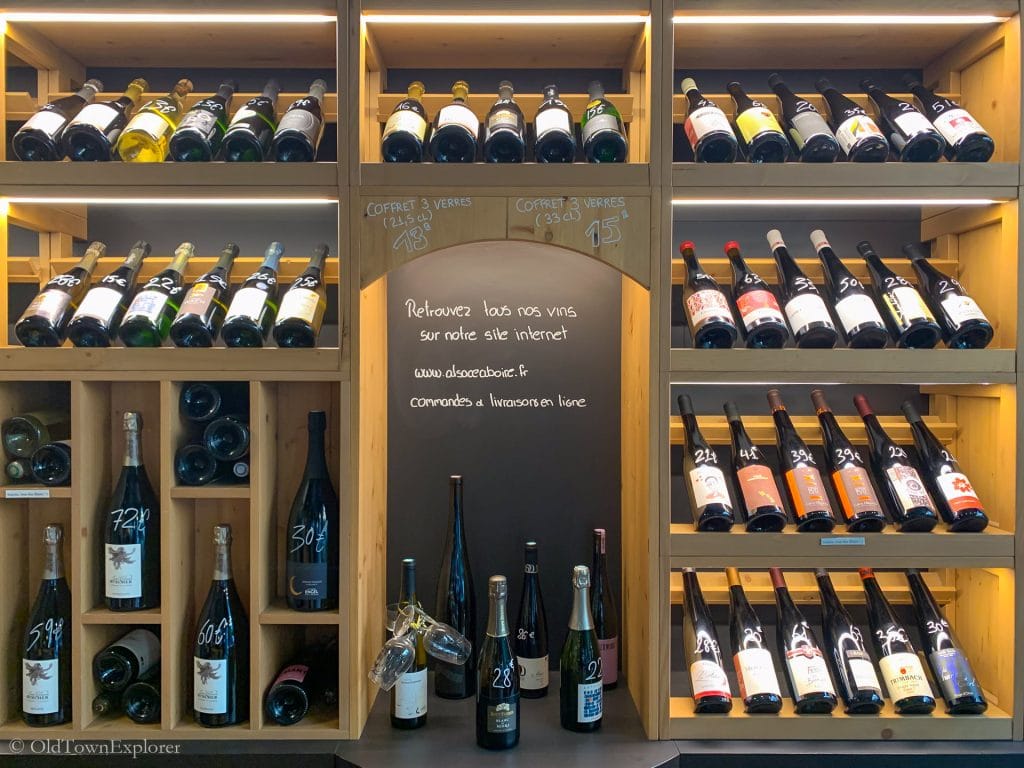
Alsace
(Northeast France, near Germany)
- Location: Along the Rhine, sheltered by the Vosges Mountains
- Grapes/Wines: Riesling, Gewürztraminer, Pinot Gris, Muscat, Crémant d’Alsace (sparkling)
- Characteristics: Dry, aromatic whites; long ripening season thanks to rain shadow effect
Bordering Germany, Alsace specializes in aromatic whites like Riesling, Gewürztraminer, and Pinot Gris. Protected by the Vosges Mountains, it enjoys a long ripening season that enhances fruit and aromatic expression.
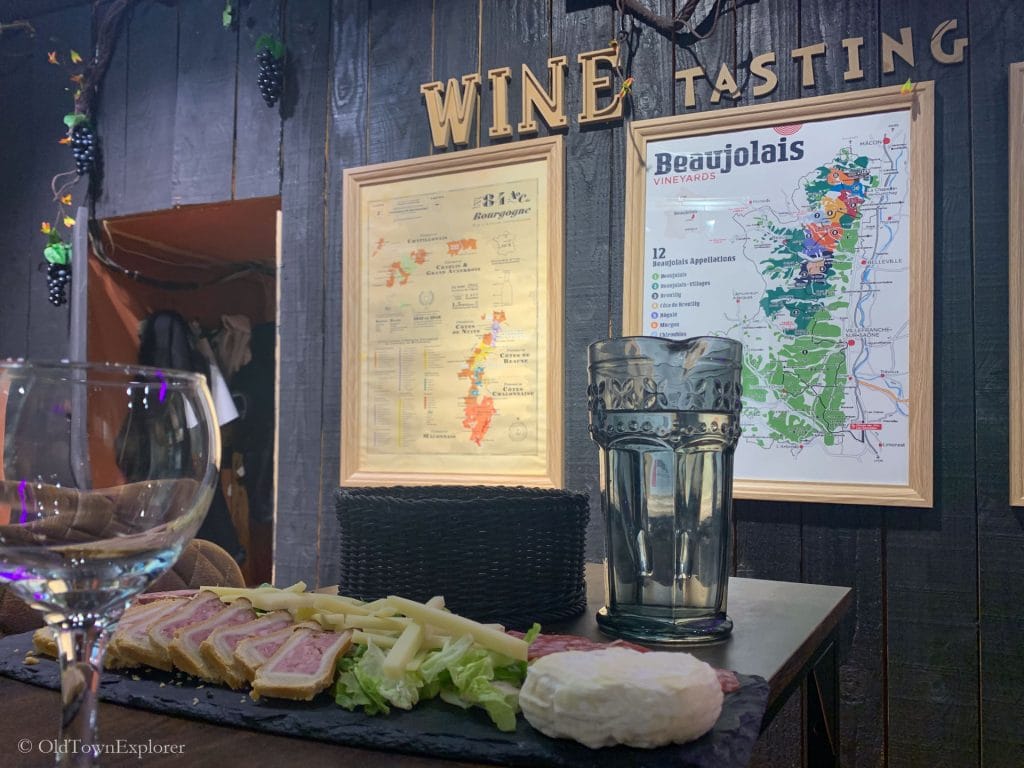
Beaujolais
(Eastern France)
- Location: South of Burgundy, north of Lyon, with vineyards on granite and schist soils
- Grapes/Wines: Gamay (reds), small amounts of Chardonnay (whites)
- Characteristics: Light, fruity reds; Beaujolais Nouveau; structured crus with aging potential
Famous for its Gamay-based wines, Beaujolais offers styles ranging from the fresh and early-drinking Beaujolais Nouveau to the more complex, site-driven wines of the 10 crus. While often overshadowed by neighboring Burgundy, Beaujolais produces some of France’s most enjoyable and versatile reds, with a growing reputation for quality in its northern vineyards.
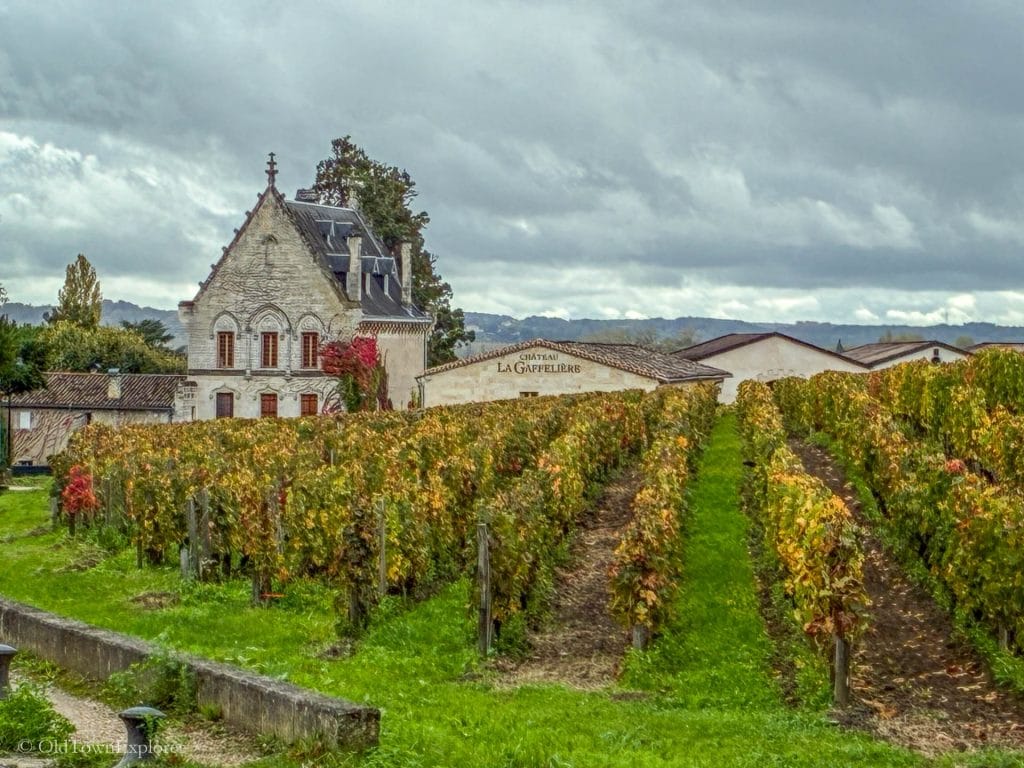
Bordeaux
(Southwest France)
- Location: Near the Atlantic coast, around the Garonne and Dordogne rivers
- Grapes/Wines: Red blends (Cabernet Sauvignon, Merlot, Cabernet Franc), sweet wines (Sauternes, Barsac), dry whites (Sauvignon Blanc, Sémillon)
- Characteristics: Maritime climate, famous for Left Bank (Cabernet-focused) vs. Right Bank (Merlot-focused) styles
France’s largest fine-wine region, Bordeaux is famed for its red blends of Cabernet Sauvignon, Merlot, and Cabernet Franc. Its maritime climate and historic châteaux shape wines that range from elegant Right Bank Merlot styles to structured Left Bank Cabernets.
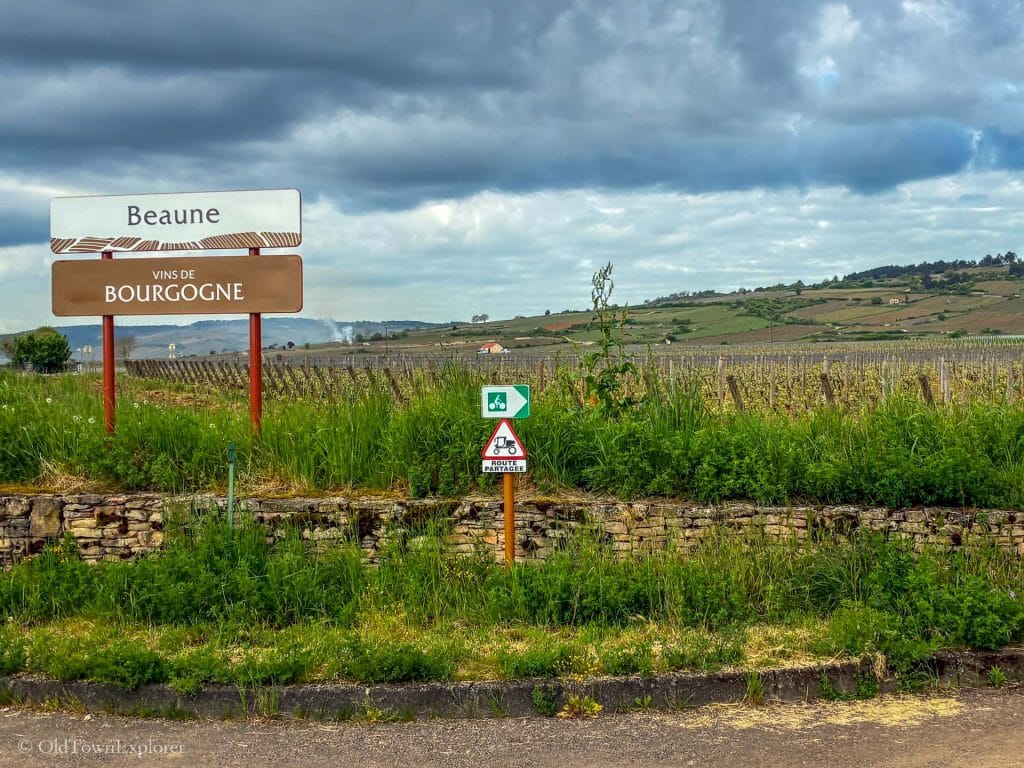
Burgundy
(Bourgogne, Eastern France)
- Location: East-central France, stretching from Chablis in the north to Beaujolais in the south
- Grapes/Wines: Pinot Noir (reds), Chardonnay (whites), Gamay (Beaujolais)
- Characteristics: Limestone-rich soils, small vineyard plots, focus on terroir and single-varietal wines
A patchwork of small vineyards, Burgundy is the spiritual home of Pinot Noir and Chardonnay. Its limestone soils and emphasis on terroir make it one of the most studied and celebrated wine regions in the world.
Champagne
(Northeast France)
- Location: Just east of Paris, around Reims and Épernay
- Grapes/Wines: Sparkling wines made from Chardonnay, Pinot Noir, Pinot Meunier
- Characteristics: Cool climate, chalk soils, birthplace of traditional-method sparkling wine
The birthplace of sparkling wine, Champagne’s cool climate and chalk soils produce Chardonnay, Pinot Noir, and Pinot Meunier wines prized for finesse and longevity. It is the only region permitted to label its sparkling wines as “Champagne.”
Corsica
(Mediterranean island)
- Location: Off the southeast coast of mainland France
- Grapes/Wines: Niellucciu (related to Sangiovese), Sciaccarellu, Vermentino
- Characteristics: Mountainous island terroir with Mediterranean breezes; mix of Italian and French influences
This Mediterranean island blends French and Italian winemaking traditions, with varieties like Niellucciu, Sciaccarellu, and Vermentino. Its mountainous terrain and coastal breezes create fresh, characterful wines.
Jura
(Eastern France, near Switzerland)
- Location: Foothills of the Jura Mountains
- Grapes/Wines: Savagnin (Vin Jaune), Poulsard, Trousseau, Chardonnay, Pinot Noir
- Characteristics: Known for oxidative styles (Vin Jaune) and rare, traditional winemaking
A small eastern region known for its unique wines, Jura produces Vin Jaune from Savagnin as well as reds from Poulsard and Trousseau. Its oxidative styles and alpine terroir make it unlike any other French region.
Languedoc-Roussillon
(Southern France)
- Location: From the Rhône delta to the Spanish border
- Grapes/Wines: Red blends (Grenache, Syrah, Carignan, Mourvèdre), rosé, and increasingly high-quality whites
- Characteristics: Large, diverse region with Mediterranean influence; leading producer of organic wine
Once known for volume, Languedoc-Roussillon is now a leader in affordable, high-quality wines. Its Mediterranean climate supports a wide range of grapes, with a growing focus on organic and biodynamic practices.
Loire Valley
(Western France)
- Location: Along the Loire River, from Nantes near the Atlantic to central France
- Grapes/Wines: Sauvignon Blanc (Sancerre, Pouilly-Fumé), Chenin Blanc (Vouvray, Anjou), Melon de Bourgogne (Muscadet), Cabernet Franc (Chinon)
- Characteristics: Diverse subregions, producing everything from crisp whites to sparkling and sweet wines
Stretching along the Loire River, the Loire Valley wine region produces an unusually wide range of wines, from crisp Muscadet to structured Cabernet Franc and elegant Chenin Blanc. Its varied terroirs give rise to fresh, expressive wines closely tied to local identity.
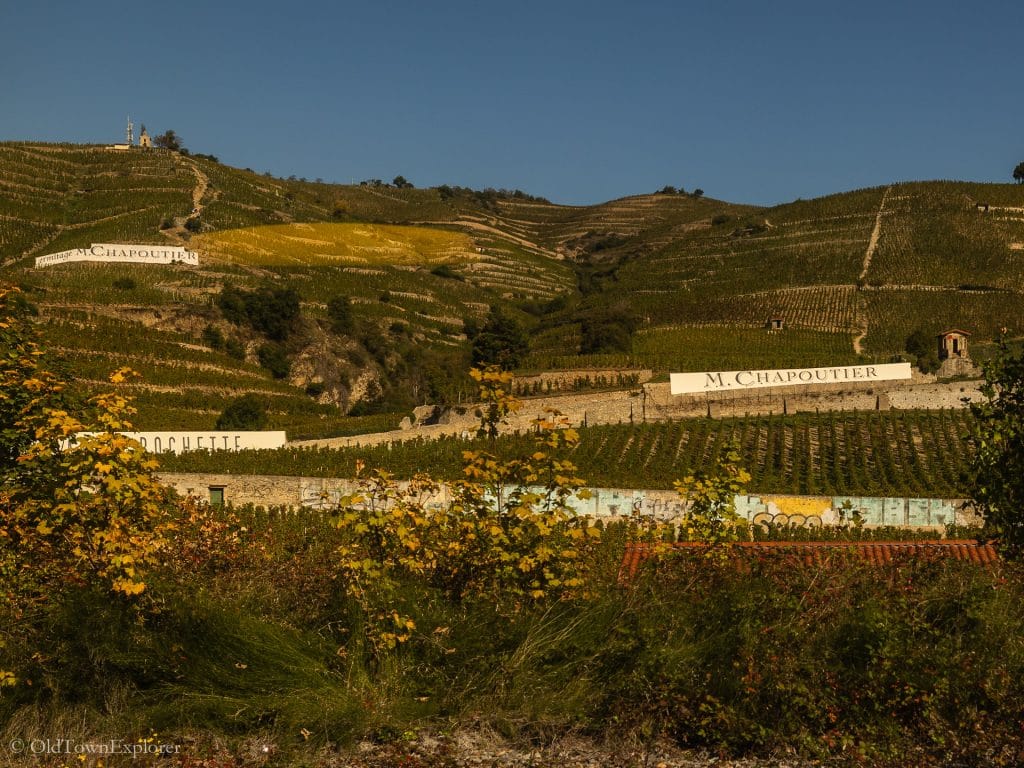
Northern Rhône Valley
(Southeast France)
- Key Grapes: Syrah (Red) and Viognier, Marsanne, Roussanne (White)
- Landscape: Steep, terraced granite slopes; Continental climate with cooler temperatures
- Wine Style: Structured, age-worthy Syrah; Aromatic and textured whites
- Notable AOCs: Côte‑Rôtie, Hermitage, Condrieu
The Northern Rhône Valley wine region is the spiritual home of Syrah, producing some of France’s most structured and age-worthy red wines. Its white wines—made from Viognier, Marsanne, and Roussanne—are equally compelling, offering texture and floral complexity. This narrow, steep-sloped region emphasizes single-varietal expressions and terroir-driven styles.
Provence
(Southeast France, Mediterranean coast)
- Location: Near Marseille and Nice, along the Mediterranean
- Grapes/Wines: Rosé wines from Grenache, Syrah, Mourvèdre, Cinsault
- Characteristics: Sun-soaked vineyards, oldest wine-producing region in France, rosé is the specialty
Known worldwide for rosé, Provence’s sun-drenched vineyards near the Mediterranean produce wines from Grenache, Mourvèdre, Syrah, and Cinsault. The region’s breezes and warm climate give its wines freshness and balance.
Savoie
(Eastern Alps)
- Location: Near the French Alps, close to Switzerland and Italy
- Grapes/Wines: Whites from Jacquère, Altesse, Roussanne; some Pinot Noir and Gamay reds
- Characteristics: Alpine terroir, crisp mountain wines, often paired with local cheeses
Tucked into the Alps, Savoie produces crisp, light whites from Jacquère and Altesse, alongside some reds from Gamay and Pinot Noir. Its mountain-grown wines are closely tied to local alpine cuisine.
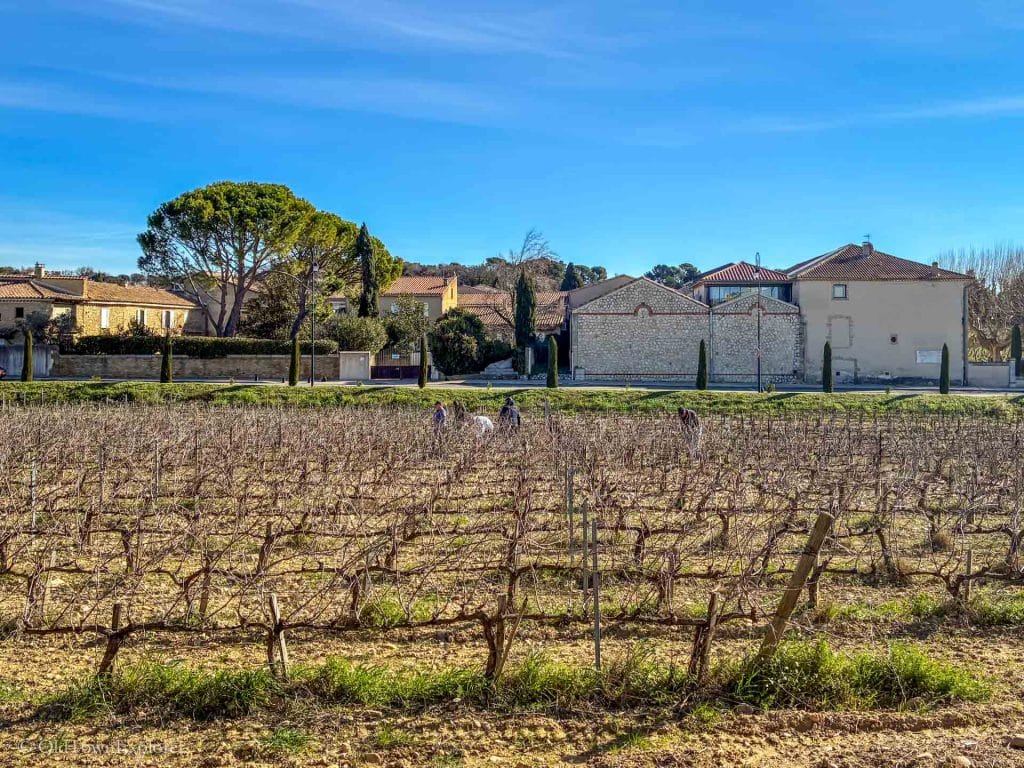
Southern Rhône Valley
(Southeast France)
- Key Grapes: Grenache, Syrah, Mourvèdre
- Blends may include Cinsault, Carignan, and others
- Landscape: Broad river plains, rolling hills
- Mediterranean climate with abundant sun
- Wine Style: Bold, blended reds (e.g., Châteauneuf‑du‑Pape); Structured rosés and herbal, medium-bodied whites
- Notable AOCs: Châteauneuf‑du‑Pape, Gigondas, Vacqueyras
Southern Rhône Valley wines are known for their rich, fruit-forward blends led by Grenache, often supported by Syrah and Mourvèdre. The Mediterranean climate supports a wide array of grape varieties and styles, from powerful reds to structured rosés and herbal whites. With historic appellations like Châteauneuf-du-Pape, the south offers both prestige and diversity.
Southwest France
(Sud-Ouest)
- Location: Between Bordeaux and the Pyrenees
- Grapes/Wines: Malbec (Cahors), Tannat (Madiran), Petit Manseng (Jurançon), diverse local varieties
- Characteristics: Mix of Atlantic and mountain influences; rustic, distinctive wines
Home to distinctive varieties like Malbec (Cahors) and Tannat (Madiran), the Southwest is a diverse collection of small appellations. Its wines reflect a mix of Atlantic and Pyrenean influences.
Grape Varieties in France
French wine is easier to understand by linking each grape to its region, label style, and food pairing. Many labels name the appellation more prominently than the grape, so knowing the regional grape patterns makes restaurant lists and caviste shelves easier to read.
White Grapes
White grapes in France change sharply by region. Chardonnay in Burgundy, Sauvignon Blanc and Chenin Blanc in the Loire, Riesling in Alsace, Sémillon in Bordeaux, and Viognier, Marsanne, and Roussanne in the Rhône all point to different label patterns, textures, acidity levels, and food pairings.
- Chardonnay is central to Burgundy, Chablis, Champagne, and several Crémant regions. Choose Chablis for leaner dry whites, Côte de Beaune for fuller Burgundy whites, and Champagne or Crémant when the meal starts with oysters, fried dishes, cheese, or small plates.
- Sauvignon Blanc is strongest in the Loire Valley and Bordeaux. Sancerre and Pouilly-Fumé are Loire benchmarks for dry whites, while Bordeaux often blends Sauvignon Blanc with Sémillon for dry whites and sweet wines.
- Chenin Blanc is a Loire grape that can make dry, off-dry, sparkling, and sweet wines. Look for it in Vouvray, Anjou, Saumur, Savennières, and other Loire names when the meal includes pork, poultry, goat cheese, river fish, or sauces with acidity.
- Riesling, Gewürztraminer, Pinot Gris, Muscat, Pinot Blanc, and Sylvaner define much of Alsace. Riesling is the clearest first bottle for dry white wine, Gewürztraminer and Pinot Gris can handle richer dishes, Muscat works as an aromatic aperitif, and Crémant d’Alsace gives a regional sparkling option.
- Sémillon is important in Bordeaux, especially for Sauternes, Barsac, and dry white blends. It suits sweet wines, botrytized wines, and textured white wines that can handle cheese, pâté, poultry, and richer sauces.
- Viognier, Marsanne, and Roussanne belong mainly to the Rhône Valley. Viognier is central to Condrieu, while Marsanne and Roussanne shape many white wines from Hermitage, Saint-Joseph, Crozes-Hermitage, and the Southern Rhône.
- Melon de Bourgogne, Savagnin, Vermentino, Jacquère, Altesse, Petit Manseng, and Gros Manseng are region-specific white grapes to look for after the main classics. They point toward Muscadet, Jura, Corsica, Provence, Savoie, and Southwest France.
Start white-wine tasting with Chardonnay from Burgundy, Sauvignon Blanc or Chenin Blanc from the Loire, Riesling from Alsace, Sémillon-based Bordeaux, and one Rhône white.
Red Grapes
Red grapes in France are best read through region and body. Bordeaux blends, Burgundy Pinot Noir, Beaujolais Gamay, Northern Rhône Syrah, Southern Rhône Grenache blends, Loire Cabernet Franc, and Southwest grapes such as Malbec and Tannat each lead to different meals, tannin levels, and tasting routes.
- Cabernet Sauvignon, Merlot, and Cabernet Franc shape Bordeaux. Cabernet Sauvignon is more central on the Left Bank, Merlot is more central on the Right Bank, and Cabernet Franc appears in Bordeaux blends and as a Loire red in Chinon, Bourgueil, and Saumur-Champigny.
- Pinot Noir is central to red Burgundy and also appears in Champagne, Alsace, Sancerre, and Jura. It is the first red grape to know when comparing village names, vineyard sites, and food pairings in Burgundy.
- Gamay is the main grape of Beaujolais. It is the clearest French red for lighter and medium-bodied wines, especially when the meal includes charcuterie, poultry, pork, mushrooms, sausages, or casual bistro dishes.
- Syrah defines the Northern Rhône and appears in Southern Rhône, Provence, Languedoc, and Roussillon blends. Choose Northern Rhône Syrah for peppery, structured reds and Southern Rhône blends when Grenache adds more warmth and red-fruit weight.
- Grenache, Mourvèdre, Cinsault, Carignan, and Counoise are central to Southern Rhône, Provence, Languedoc, Roussillon, and Mediterranean blends. They appear in reds, rosé, fortified wines, and many food-friendly southern bottles.
- Malbec, Tannat, Fer Servadou, Négrette, Poulsard, Trousseau, Niellucciu, and Sciaccarellu are regional grapes that add depth beyond the main French classics. Look for them in Southwest France, Jura, and Corsica when the meal includes meat, mountain cheeses, charcuterie, or island dishes.
Start red-wine tasting with Bordeaux blend grapes, Burgundy Pinot Noir, Beaujolais Gamay, Northern Rhône Syrah, Southern Rhône Grenache blends, and Loire Cabernet Franc.
Wine Styles in France
French wine styles range from dry Atlantic and northern whites to Mediterranean rosé, structured reds, traditional-method sparkling wine, botrytized dessert wine, fortified Mediterranean wines, and Jura's oxidative styles. Region is the easiest first filter because the same grape can produce very different wines in different parts of France.
Dry White Wines
Dry whites change from lean coastal wines to fuller Chardonnay, aromatic Alsace bottles, and Rhône blends.
- Chardonnay: Chablis gives the grape a high-acid northern style, while white Burgundy from the Côte d'Or and farther south can bring more weight and oak influence.
- Loire whites: Sauvignon Blanc is central around Sancerre and Pouilly-Fumé, Chenin Blanc ranges from dry to sweet around the central and western Loire, and Melon de Bourgogne produces Muscadet near Nantes.
- Alsace whites: Riesling, Gewürztraminer, Pinot Gris, Muscat, and Pinot Blanc give Alsace a broader aromatic white-wine range than most French regions.
- Rhône and Bordeaux whites: Marsanne, Roussanne, and Viognier shape Rhône whites, while Sauvignon Blanc and Sémillon are the main grapes to recognize in Bordeaux white blends.
For a first white-wine comparison, try Chablis or another white Burgundy beside Loire Sauvignon Blanc, Alsace Riesling, and a Rhône white.
Red Wines
French reds range from light Gamay and Pinot Noir to Cabernet- and Merlot-based Bordeaux blends and warmer Grenache- and Syrah-led wines in the south.
- Bordeaux blends: Cabernet Sauvignon, Merlot, and Cabernet Franc form the core of many Bordeaux reds, with the balance changing by vineyard area.
- Burgundy and Beaujolais: Pinot Noir is the main red grape in Burgundy, while Gamay dominates Beaujolais and generally gives a fruitier, lighter-bodied comparison.
- Rhône reds: Syrah leads the Northern Rhône, while Grenache becomes central to many Southern Rhône blends with Syrah and Mourvèdre.
- Southwest and Mediterranean reds: Malbec in Cahors, Tannat in Madiran, Mourvèdre in Bandol, and Carignan in parts of Languedoc-Roussillon provide additional regional styles.
Start with Burgundy Pinot Noir, Bordeaux red, Northern Rhône Syrah, and a Grenache-led Southern Rhône wine to compare four very different French red-wine traditions.
Rosé and Sparkling Wines
Rosé is especially important in southern France, while sparkling wine appears through Champagne and several Crémant appellations.
- Provence rosé: Dry, pale rosé based on grapes such as Grenache, Cinsault, Syrah, and Mourvèdre is one of Provence's defining wine styles.
- Tavel: The Southern Rhône offers a deeper-colored, more structured rosé comparison to many Provence bottles.
- Champagne: Chardonnay, Pinot Noir, and Meunier form the main grape base for traditional-method sparkling wines ranging from blanc de blancs and blanc de noirs to rosé.
- Crémant: Alsace, Burgundy, the Loire, Jura, and other regions produce traditional-method sparkling wines under regional Crémant appellations.
Compare Champagne with a regional Crémant when sparkling wine is the priority, or Provence with Tavel when you want to see how far French rosé can vary in weight and structure.
Sweet, Fortified, and Oxidative Wines
France also has several wine styles that sit outside the usual dry-red and dry-white choices.
- Sauternes and Barsac: Bordeaux produces sweet white wines based mainly on Sémillon and Sauvignon Blanc, often using grapes affected by noble rot.
- Loire and Alsace sweet wines: Chenin Blanc can produce sweet Loire wines, while Alsace includes late-harvest styles from grapes such as Riesling, Gewürztraminer, Pinot Gris, and Muscat.
- Vins Doux Naturels: Roussillon produces fortified sweet wines under names such as Banyuls, Maury, and Muscat de Rivesaltes.
- Vin Jaune: Jura uses Savagnin for an oxidative wine aged for years in barrel under a yeast layer, producing a style unlike conventional dry French whites.
Add one of these wines after you know the main dry styles. Sauternes, Banyuls or Maury, and Jura Vin Jaune each show a very different approach to sweetness, fortification, or oxidative aging.
How to Choose and Taste France Wine
Start with the place name, then use the grape pattern, AOP/AOC or IGP wording, producer, vintage, and wine style to narrow the bottle. For tasting, choose a city base when you want wine bars and cavistes on foot; choose a vineyard town or regional route when visiting producers is the priority.
Wine Labels, AOP/AOC, IGP, and Vin de France
Read a French wine label from place outward. Start with the region or appellation, then look for the producer, vintage, and any village, vineyard, château, domaine, or cuvée name. Grape varieties may be obvious in Alsace or on some IGP and Vin de France bottles, but many traditional appellation labels expect you to know which grapes are associated with the place.
AOP and AOC identify protected origins with production rules tied to a defined geographical area. AOC is the French national designation that precedes European AOP recognition, and wine is permitted to continue displaying AOC wording. IGP is also a protected geographical indication and is useful when you want a broader regional origin or a bottle that foregrounds its grape variety more clearly.
Vin de France belongs to the category of wines without a geographical indication. French rules allow grape variety and vintage to appear on these wines when the required certification conditions are met. For casual buying, use AOP or AOC when a particular appellation is the priority; look at IGP or Vin de France when grape variety, producer, or a less restrictive regional style matters more.
Wine Tasting in France
City bases work well when you want to taste before committing to a vineyard route. Bordeaux puts Bordeaux bottles and wine shops in one city, Beaune and Dijon work for Burgundy, Lyon works for Beaujolais and the Northern Rhône, Avignon works for the Southern Rhône, and Strasbourg provides an urban starting point for Alsace.
For a vineyard day, choose one compact area and check each producer's visit arrangements before leaving town. Depending on the region, a car, driver, bicycle, train-and-taxi combination, or organized tour may make more sense than trying to improvise between distant estates. Build the route around the producers and villages you actually plan to visit rather than assuming every cellar accepts walk-ins.
Food Pairings with France Wine
Choose the wine first, then use the region's food to narrow the pairing. High-acid whites work well with seafood and fresh cheeses, lighter reds suit poultry and charcuterie, structured reds can handle richer meat dishes, and sweet or fortified wines give you better options with strong cheese or dessert.
- Champagne and Crémant: Oysters, fried foods, gougères, cheese, charcuterie, and small plates
- Muscadet and Loire whites: Oysters, shellfish, goat cheese, river fish, salads, and lighter vegetable dishes
- Alsace Riesling and Pinot Gris: Choucroute, pork, sausages, Munster, onion tart, poultry, and richer white-meat dishes
- Burgundy Chardonnay: Bresse chicken, cream sauces, fish, mushrooms, Comté, and seafood in butter-based dishes
- Burgundy Pinot Noir and Beaujolais Gamay: Poultry, pork, mushrooms, charcuterie, pâté, and bistro dishes
- Bordeaux reds: Beef, lamb, duck, entrecôte, roast meats, aged cheese, and mushroom dishes
- Rhône reds: Lamb, stews, grilled meats, ratatouille, olives, herbs, and Provençal dishes
- Provence rosé and Tavel: Seafood, grilled vegetables, salads, goat cheese, niçoise-style dishes, and Mediterranean plates
- Sauternes, Jurançon, Banyuls, and Muscat doux naturel: Blue cheese, foie gras, fruit desserts, chocolate, nuts, and small sweet courses
Food makes France wine easier to choose: Atlantic whites fit seafood, Alsace whites fit pork and cheese, Burgundy fits poultry and mushrooms, Bordeaux fits beef and lamb, Rhône fits herbs and grilled meats, and sweet wines fit cheese or dessert. France Food covers the dishes and regional products that shape those pairings.
FAQs About France Wine
What wine is France known for?
France is known for Bordeaux blends, Burgundy Pinot Noir and Chardonnay, Champagne, Rhône Syrah and Grenache blends, Loire Sauvignon Blanc and Chenin Blanc, Alsace aromatic whites, Provence rosé, Sauternes, Beaujolais Gamay, Jura Vin Jaune, and many regional styles.
What are the main France wine regions?
The main France wine regions for travelers are Bordeaux, Burgundy, Beaujolais, Champagne, Alsace, Loire Valley, Northern Rhône, Southern Rhône, Provence, Languedoc-Roussillon, Southwest France, Jura, Savoie, and Corsica. Bordeaux, Burgundy, Rhône, Loire, Alsace, and Champagne are the clearest first regions for most wine trips.
Where should I start with French wine?
Start with Bordeaux red, Burgundy white, Burgundy red, Loire white, Northern Rhône Syrah, Southern Rhône Grenache blend, Alsace Riesling, and Champagne or Crémant. That tasting set gives a clear first comparison of region, grape, style, and label pattern.
How do I read a French wine label?
Read the place name first, then the producer, vintage, vineyard or village, classification term, and grape if it appears. Many French wines are labeled by appellation rather than grape, so Burgundy, Bordeaux, Rhône, Loire, Alsace, Champagne, and Provence names point toward different grape and style patterns.
What do AOP and AOC mean on French wine?
AOP means Appellation d’Origine Protégée, while AOC means Appellation d’Origine Contrôlée. For wine drinkers, both terms point to a defined origin and production rules tied to that place.
What is the difference between AOP/AOC and IGP?
AOP/AOC usually points to a more tightly defined origin and production framework, while IGP is a protected geographical indication with more flexibility. For travelers, AOP/AOC names are often the clearest regional label cues, while IGP wines can be easier to understand by grape and producer.
Where should I taste wine in France without a car?
Start in cities and towns with strong wine-bar and caviste access: Bordeaux, Beaune, Dijon, Lyon, Avignon, Strasbourg, Tours, Reims, Épernay, and Paris. Rural winery visits usually need more planning.
Do I need to book winery tastings in France?
Check each producer before you travel. Some châteaux, domaines, Champagne houses, and rural cellars use scheduled visits or appointments, while others accept walk-ins or operate more like a shop with tasting. Build a vineyard day only after you know which stops need reservations and how you will travel between them.
What French red wine should I try first?
Start with a Bordeaux blend, Burgundy Pinot Noir, Beaujolais Gamay, Northern Rhône Syrah, Southern Rhône Grenache blend, and Loire Cabernet Franc. Those six choices show the main red-wine differences by region.
What French white wine should I try first?
Start with Chablis or white Burgundy, Loire Sauvignon Blanc, Loire Chenin Blanc, Alsace Riesling, Bordeaux blanc, and one Rhône white from Viognier, Marsanne, or Roussanne. Add Muscadet when the meal includes oysters or shellfish.
What food pairs with France wine?
Champagne and Crémant fit oysters, fried foods, and cheese. Muscadet fits shellfish. Burgundy fits poultry, mushrooms, and cream sauces. Bordeaux fits beef and lamb. Rhône reds fit lamb, herbs, and grilled meats. Alsace whites fit pork, sausages, and Munster. Sweet wines fit blue cheese, foie gras, fruit desserts, nuts, and chocolate.
Choose the Bordeaux wine region when blends, châteaux, and Left Bank or Right Bank comparisons are the priority, or continue with Burgundy Wine when Pinot Noir, Chardonnay, villages, and named vineyards matter more. For wine tasting from a historic city, Beaune Wine, Avignon Wine, and Strasbourg Wine give three very different regional starting points.
Use France Food for the cheeses, charcuterie, seafood, meat dishes, and desserts behind the pairings above. Return to France when you are choosing cities, transport, seasons, and the wider route.