
Discover Schönbrunn Palace: Palace Rooms, Gardens & Visit Tips
Schönbrunn Palace is the former Habsburg summer residence in Hietzing, west of central Vienna. The palace, gardens, Gloriette, fountains, zoo, greenhouse buildings, and formal axes make it a full palace complex rather than a quick single-building stop.
The Palace and Gardens of Schönbrunn form a UNESCO World Heritage Site, with Baroque architecture, Rococo interiors, formal gardens, and later park buildings tied to Habsburg court life. The main visitor decision is whether to focus on palace rooms, the gardens, the Gloriette view, family attractions, or a longer palace-and-park day.
We visited Schönbrunn Palace during our month-long stay in Vienna. Start with the palace façade and Great Parterre if time is short, then choose the interiors, Gloriette, gardens, Palm House, zoo, maze, or Carriage Museum based on how much of the day you want to spend outside the city center.
This website contains affiliate links that may earn us a small commission at no additional cost to you.
Schönbrunn Palace at a Glance
Schönbrunn Palace is one of Vienna’s largest attraction decisions because the visit can mean a palace-room tour, a free garden walk, a climb toward the Gloriette, a family day at the zoo, or a longer combination of palace and park attractions.
Key Schönbrunn Palace decisions:
- What it is: Former Habsburg summer residence with palace rooms, formal Baroque gardens, fountains, garden buildings, a hilltop Gloriette, and nearby family attractions.
- Where it is: In Vienna’s 13th district, Hietzing, west of the Innere Stadt and Ringstrasse.
- What to see first: Palace façade, Great Parterre, Neptune Fountain, Gloriette, state rooms, Imperial Carriage Museum, Palm House, Roman Ruin, Orangery, maze, and zoo.
- Exterior or interior: The park and many exterior views work well without a palace ticket; palace rooms and several garden attractions require ticket planning.
- Time needed: Allow about one hour for a basic exterior-and-garden look, two to three hours for palace rooms plus the main garden axis, and longer for the zoo, Palm House, maze, or Carriage Museum.
- Main trade-off: Schönbrunn gives the strongest palace-and-garden experience in Vienna, but it takes more time than a central Hofburg walk.
For a first visit, decide before you go whether Schönbrunn is a short palace stop, a half-day palace-and-gardens visit, or the main focus of the day.
History of Schönbrunn Palace
Schönbrunn’s history explains why the site feels like a palace, park, court landscape, and public attraction at the same time. The estate moved from hunting ground to imperial residence, then from Habsburg property to one of Vienna’s major public cultural sites.
Katterburg and the Beautiful Spring
The estate was known as Katterburg before it became Schönbrunn. Schönbrunn’s official palace history connects the name to a spring discovered by Emperor Matthias, giving the later estate its “beautiful spring” identity.
Leopold I and the Baroque Palace Plan
At the end of the 17th century, Emperor Leopold I commissioned Johann Bernhard Fischer von Erlach to design an imperial hunting lodge for Crown Prince Joseph. The project grew into a larger palace residence during the 18th century.
Maria Theresa and the Summer Residence
Schönbrunn became the center of court life under Maria Theresa. Nicolaus Pacassi reshaped the palace into a summer residence with Rococo interiors, ceremonial rooms, and a layout suited to imperial family life, diplomacy, and court display.
Franz Joseph and the Imperial Residence
Emperor Franz Joseph was born at Schönbrunn and spent much of his life connected to the palace. This gives the site a different feeling from a purely ceremonial palace because the state rooms, private apartments, and service spaces also point to everyday imperial routines.
Republic, Public Palace, and World Heritage Site
After the monarchy ended in 1918, Schönbrunn passed to the Republic of Austria. The palace and gardens were added to the UNESCO World Heritage List in 1996, recognizing the ensemble as a major Baroque palace-and-garden complex.
Architecture and Layout of Schönbrunn Palace
Schönbrunn works best when you read the building and gardens together. The palace façade, central axis, Great Parterre, Neptune Fountain, Gloriette, side gardens, greenhouse buildings, and zoo all belong to one planned court landscape.
Palace and Garden Axis
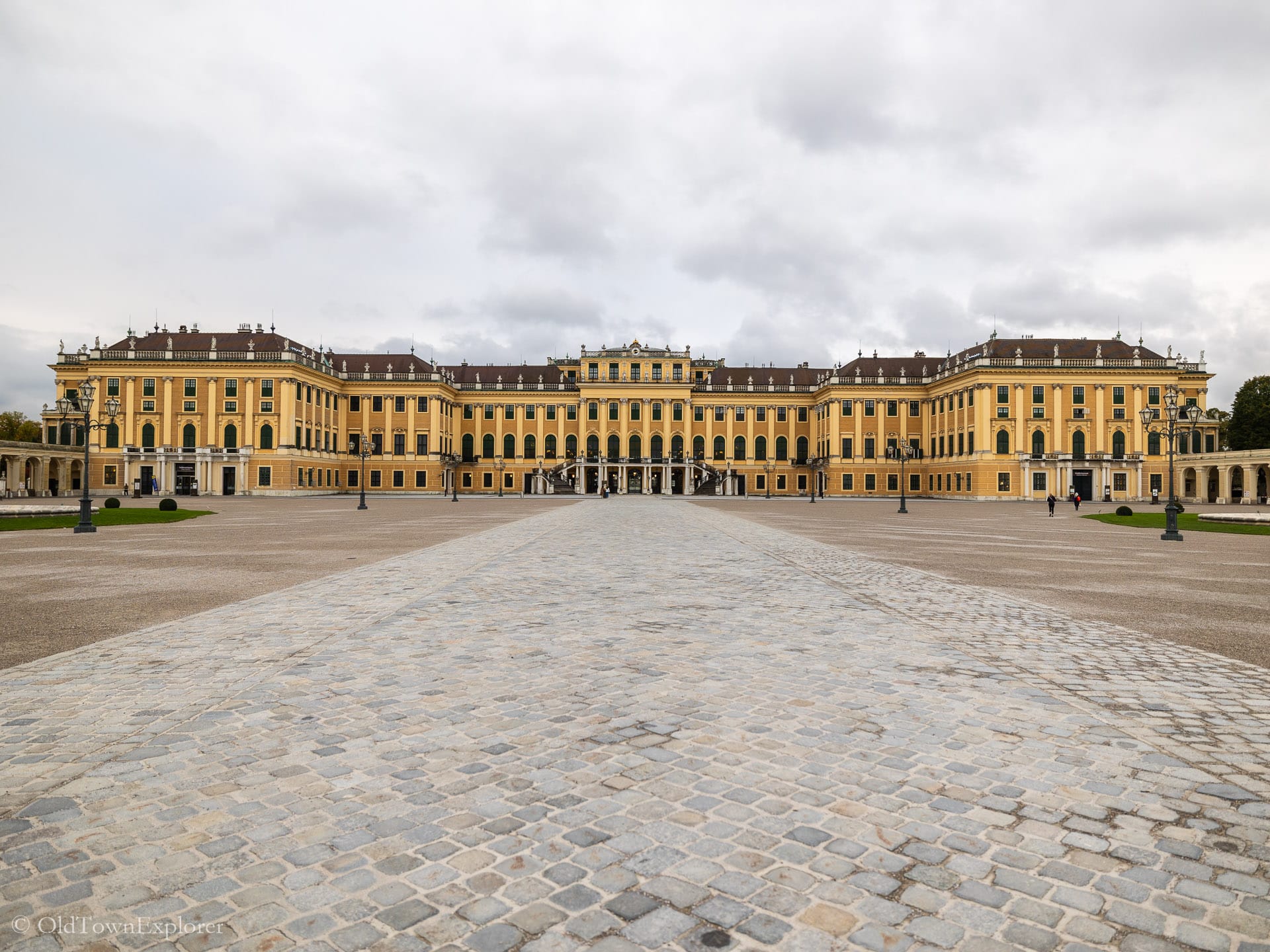
The clearest layout runs from the palace façade across the Great Parterre toward the Neptune Fountain and up the hill to the Gloriette. This axis gives the site its strongest visual order and helps you decide whether to spend the visit near the palace or continue deeper into the park.
Baroque Palace Form
The palace façade uses long horizontal lines, repeated windows, balanced wings, and formal symmetry. The building is easier to appreciate from the parade court and garden side than from a close-up doorway because its scale depends on the full façade.
Rococo Palace Interiors
The palace interiors shift the visit from exterior order to court life. State rooms, private apartments, the Great Gallery, smaller cabinets, and decorative rooms show how Baroque palace planning and Rococo detail worked together for ceremony, residence, and display.
Great Parterre and Neptune Fountain
The Great Parterre stretches behind the palace as a formal garden space with clipped beds, sculpture, and a direct view toward the hill. Neptune Fountain anchors the far end of the main garden walk and turns the climb toward the Gloriette into a planned visual sequence.
Gloriette and Hilltop View
The Gloriette sits above the palace garden axis and changes the visit from palace architecture to landscape architecture. From this side of the grounds, the palace becomes part of a larger view across the gardens and toward Vienna.
Garden Buildings and Greenhouse Architecture
The Roman Ruin, Obelisk Fountain, Orangery, Palm House, Sundial House, and other park buildings make the grounds more than a formal garden. These structures add theatre, plants, water, sculpture, and 18th- or 19th-century garden architecture to the palace visit.
What to See at Schönbrunn Palace
Schönbrunn has enough rooms, gardens, fountains, park buildings, and family attractions to fill much more than a short stop. Use the entries below to decide whether your visit should focus on the palace interiors, the formal garden axis, the Gloriette view, the greenhouse buildings, the zoo, or a slower park walk.
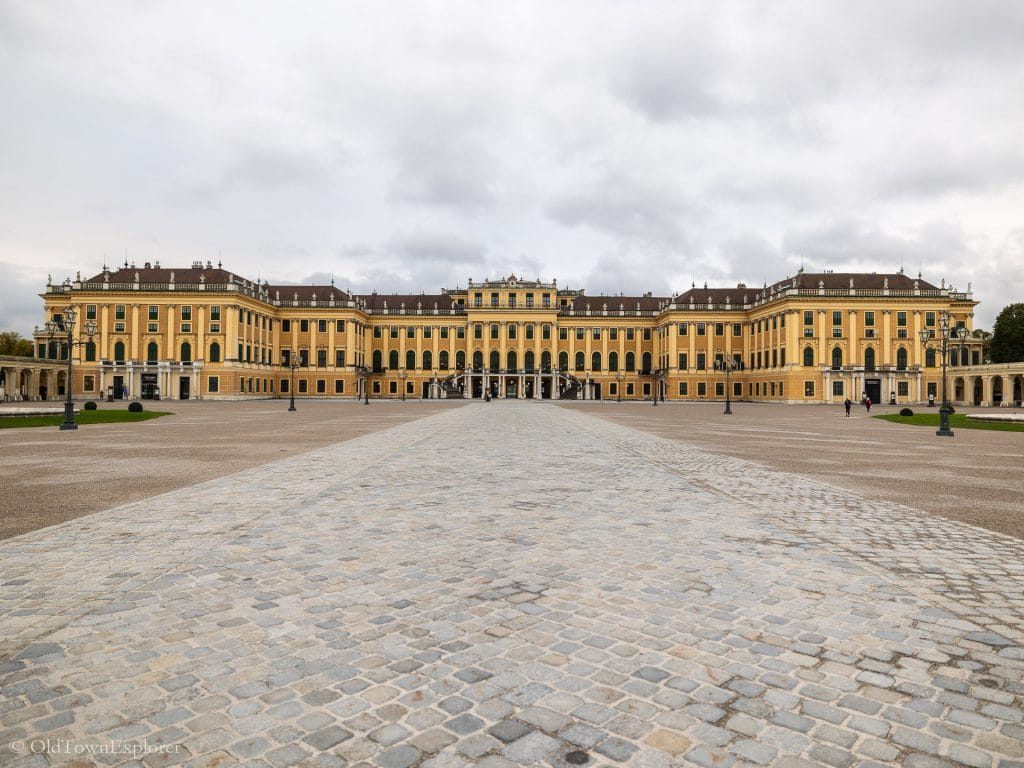
Schönbrunn Palace
Schloss Schönbrunn
- Architect: Johann Bernhard Fischer von Erlach; later modifications by Nicolaus Pacassi
- Architectural Style: Baroque
- Year Built: Initial construction began in 1696; major expansion from 1743 under Empress Maria Theresa
- Address: Schönbrunner Schloßstraße 47, 1130 Vienna, Austria
Originally commissioned as a hunting lodge, Schönbrunn Palace evolved into a grand imperial summer residence. With 1,441 rooms, it served as the primary residence of the Habsburg rulers and is renowned for its opulent interiors and expansive gardens.
Gloriette
- Architect: Johann Ferdinand Hetzendorf von Hohenberg
- Architectural Style: Early Classicism
- Year Built: 1775
- Address: Located atop the hill in Schönbrunn Palace Gardens, 1130 Vienna, Austria
The Gloriette is a colonnaded structure serving as a focal point in the palace gardens. Originally designed as a "temple of renown," it offers panoramic views of Vienna and symbolizes the Habsburgs' imperial power.
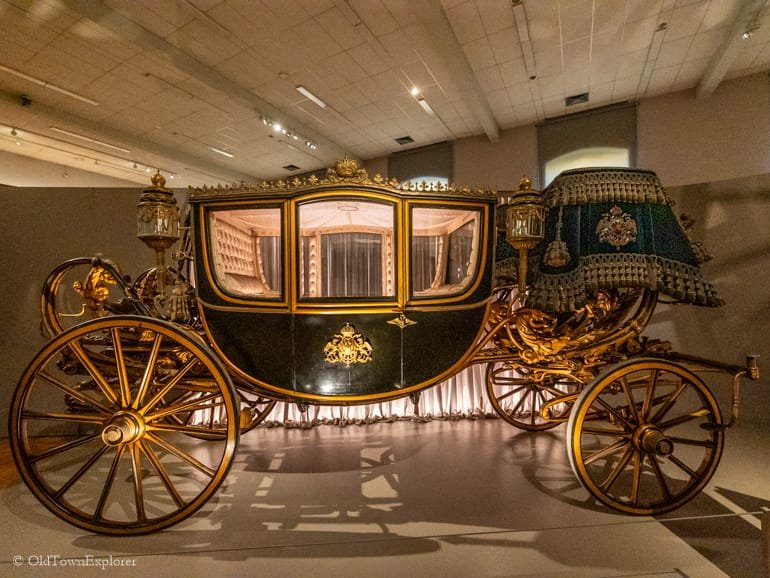
Imperial Carriage Museum Vienna
Kaiserliche Wagenburg Wien
- Architect: Specific architect not documented; housed within former winter riding school
- Architectural Style: Baroque
- Year Built: Museum established in 1922; the building dates back to the 18th century
- Address: Schönbrunner Schloßstraße 47, 1130 Vienna, Austria
This museum showcases a collection of historical carriages, sleighs, and ceremonial vehicles used by the imperial family, offering insights into the opulence of Habsburg court life.
Palm House
Palmenhaus
- Architect: Franz Xaver Segenschmid
- Architectural Style: Historicist (Art Nouveau influences)
- Year Built: 1881–1882
- Address: Schönbrunner Schloßstraße 47, 1130 Vienna, Austria
Commissioned by Emperor Franz Joseph I, the Palm House is a large greenhouse featuring over 4,500 plant species. Its iron and glass structure exemplifies 19th-century greenhouse architecture.
Roman Ruin
Römische Ruine
- Architect: Johann Ferdinand Hetzendorf von Hohenberg
- Architectural Style: Romanticism (Artificial Ruin)
- Year Built: 1778
- Address: Schönbrunner Schloßstraße 47, 1130 Vienna, Austria
Originally named the "Ruin of Carthage," this picturesque folly was designed to resemble the remnants of an ancient Roman temple. It reflects the 18th-century fascination with classical antiquity and the Romantic era's appreciation for the aesthetic of ruins.
Obelisk Fountain
Obeliskbrunnen
- Architect: Johann Ferdinand Hetzendorf von Hohenberg
- Architectural Style: Baroque with Egyptian Revival elements
- Year Built: 1777
- Address: Schönbrunner Schloßstraße 47, 1130 Vienna, Austria
This fountain features a towering obelisk adorned with hieroglyph-like symbols (purely decorative) and is flanked by cascading water features. It symbolizes the Habsburgs' imperial power and their connection to ancient civilizations.
Schönbrunn Palace Theatre
Schlosstheater Schönbrunn
- Architect: Nicolò Pacassi
- Architectural Style: Baroque
- Year Built: 1747
- Address: Schönbrunner Schloßstraße 47, 1130 Vienna, Austria
Commissioned by Empress Maria Theresa, this court theatre is one of the oldest surviving theatres in Europe. It hosted performances attended by the imperial family and remains a venue for cultural events today.
Orangery
Orangerie Schönbrunn
- Architect: Jean Nicolas Jadot de Ville-Issey
- Architectural Style: Baroque
- Year Built: Circa 1754
- Address: Schönbrunner Schloßstraße 47, 1130 Vienna, Austria
One of the largest Baroque orangeries in Europe, it was used to cultivate citrus trees and exotic plants during the winter months. Today, it serves as a venue for concerts and events.
Great Parterre and Neptune Fountain
Große Parterre und Neptunbrunnen
- Architect: Jean Trehet (Parterre); Johann Ferdinand Hetzendorf von Hohenberg (Fountain)
- Architectural Style: Baroque
- Year Built: Parterre designed in 1695; Fountain completed in 1780
- Address: Schönbrunner Schloßstraße 47, 1130 Vienna, Austria
The Great Parterre is a formal garden featuring symmetrical flowerbeds and statues, leading to the Neptune Fountain, which depicts the sea god Neptune surrounded by tritons and nymphs, symbolizing imperial power over the seas.
Columbary
Taubenhaus
- Architect: Not specifically documented
- Architectural Style: Baroque
- Year Built: 18th century
- Address: Schönbrunner Schloßstraße 47, 1130 Vienna, Austria
A structure designed to house pigeons, reflecting the Baroque era's interest in ornamental and functional garden buildings.
Sundial House
Sonnenuhrhaus
- Architect: Not specifically documented
- Architectural Style: 19th-century Greenhouse
- Year Built: 19th century
- Address: Schönbrunner Schloßstraße 47, 1130 Vienna, Austria
A greenhouse named after the sundial on its façade, used for cultivating tropical plants and contributing to the botanical diversity of the palace gardens.
Schönbrunn Palace Park
- Architect: Initial designs by Jean Trehet; later modifications by Johann Ferdinand Hetzendorf von Hohenberg
- Architectural Style: Baroque
- Year Built: Developed primarily in the 18th century
- Address: Schönbrunner Schloßstraße 47, 1130 Vienna, Austria
The palace park encompasses formal gardens, fountains, sculptures, and architectural features like the Gloriette and Neptune Fountain, exemplifying Baroque landscape design and serving as a symbol of imperial grandeur.
Schönbrunn Maze
Irrgarten Schönbrunn
- Architect: Specific architect not documented
- Architectural Style: Baroque garden design
- Year Built: Circa 1720
- Address: Within Schönbrunn Palace Gardens, 1130 Vienna, Austria
Originally laid out with four quadrants and a central pavilion, the maze was designed for leisurely strolls and amusement, reflecting the Baroque era's emphasis on structured garden layouts.
Schönbrunn Zoo
Tiergarten Schönbrunn
- Architect: Jean Nicolas Jadot de Ville-Issey
- Architectural Style: Baroque
- Year Built: Established in 1752
- Address: Maxingstraße 13b, 1130 Vienna, Austria
Recognized as the world's oldest continuously operating zoo, it was initially designed as a menagerie with a unique radial layout centered around a pavilion, reflecting Enlightenment ideals of order and classification.
How to Visit Schönbrunn Palace
A Schönbrunn visit needs one clear focus because the palace and gardens are large. Separate the free exterior-and-garden experience from the ticketed palace rooms and paid park attractions before you choose a ticket or route.
Free Exterior and Garden Visit
The palace façade, parade court, main garden axis, Great Parterre, Neptune Fountain approach, and many park paths can be part of a free exterior visit during garden opening hours. This works well when you want palace scale, garden design, and photos without committing to a room tour.
Palace Rooms
Choose the palace interiors if you want the Habsburg residence story, state rooms, private apartments, Rococo rooms, and imperial household context. The official Tickets & Tours page is the safest place to check current ticket types, fixed admission times, audio-guide details, and guided-tour options.
Gardens and Paid Park Attractions
The Palace Park is the easiest way to enjoy Schönbrunn without spending the whole visit indoors. The official gardens information explains that the park is free during opening hours, while special attractions such as the Privy Garden, Orangery Garden, Maze, Zoo, Palm House, and Desert House need separate tickets.
Best First Choice
For a first visit, pair the palace façade, Great Parterre, Neptune Fountain, and Gloriette view with either a palace-room ticket or one garden attraction. Trying to combine every interior, garden feature, zoo stop, and greenhouse in one short visit makes the site feel rushed.
Visit Length
Allow about one hour for an exterior look at the palace and main garden axis. Allow two to three hours for palace rooms plus the central gardens, and plan a longer visit if you add the zoo, Palm House, maze, Carriage Museum, or several ticketed park attractions.
How to Get to Schönbrunn Palace
Schönbrunn Palace is outside Vienna’s old center but easy to reach by public transport. Most visitors should use U-Bahn, tram, or bus instead of driving.
By Public Transport
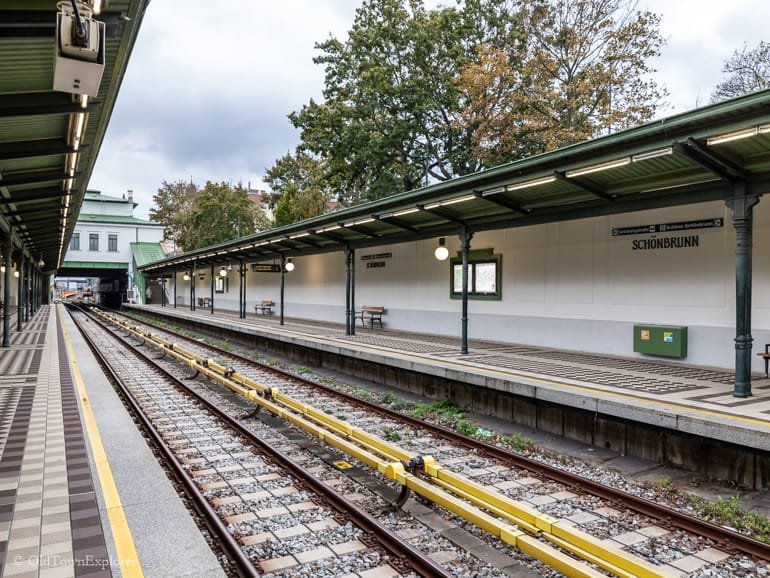
The official Schönbrunn transport page lists U4 to Schönbrunn, trams 10 and 60 to Schloss Schönbrunn, and bus 10A to Schloss Schönbrunn. U4 is usually the simplest choice from central Vienna because it connects well with Karlsplatz, Stadtpark, Schwedenplatz, Schottenring, and other useful stops.
By Train
If you arrive through Wien Westbahnhof, Wien Meidling, or Wien Hauptbahnhof, use the official transport guidance to connect into Vienna’s public transport network. The final approach still depends on U-Bahn, tram, bus, or a short walk from the nearest stop.
By Taxi or Rideshare
A taxi or rideshare can make sense in rain, heat, with children, or when mobility needs make transfers less appealing. Ask for Schönbrunn Palace at Schönbrunner Schloßstraße 47 or the main entrance area, then confirm the entrance or ticket point for the part of the palace you plan to visit.
By Car
Driving is usually less convenient than public transport for most visitors staying in central Vienna. Use the official driving and parking guidance before choosing a car, especially if you are coming from outside the city or visiting with mobility needs.
What to Expect Upon Arrival at Schönbrunn Palace
Before stepping into the palace rooms or walking into the gardens, it helps to understand how Schönbrunn works on arrival. The palace, park, ticketed garden attractions, Gloriette, zoo, maze, Palm House, and other stops do not all follow one simple entry plan.
Opening Times
Schönbrunn Palace is open daily, including public holidays, but palace hours, park hours, fountain operation, and special-attraction hours change by season. Check the official opening times before planning around the palace rooms, Palace Park, Gloriette viewing terrace, Maze, Privy Garden, Orangery Garden, fountains, or other paid attractions.
The Palace Park opens earlier than the palace rooms and is free to enter during opening hours. Last admission applies to attractions, so leave enough time if you want the palace interiors, Gloriette viewing terrace, Maze, Privy Garden, Orangery Garden, Palm House, Desert House, or zoo.
Ticket Office and Entry
The main ticket center is near the main entrance on Schönbrunner Schloßstraße. Palace-room admission uses fixed entry times, so arrive early enough to find the entrance, read your ticket, and start without rushing.
Use the official Tickets & Tours page for ticket types, timed-entry details, audio-guide or printed-description options, guided tours, and official online ticket links. Schönbrunn directs online buyers to Imperial Tickets for genuine tickets.
Free Areas and Ticketed Areas
The Palace Park, main garden paths, palace façade, Great Parterre, and Neptune Fountain approach can be part of a free Schönbrunn visit during park opening hours. That makes the estate worthwhile even if you skip the palace rooms.
Palace interiors and special attractions inside the grounds require ticket planning. Choose paid areas based on the kind of visit you want: palace rooms for Habsburg interiors, the Gloriette viewing terrace for the garden view, the Maze for families, the Palm House and Desert House for greenhouse architecture and plants, or the zoo for a longer family day.
Tours and Audio Guides
Schönbrunn works as either a self-guided palace visit or a guided visit. Audio-guide or printed-description options are tied to specific ticket types and availability, so check the official ticket page before choosing a palace-room route.
A guided tour makes more sense if you want help with Habsburg court life, Maria Theresa, Franz Joseph, palace-room order, and the difference between ceremonial rooms and private apartments. If your main goal is the gardens, Gloriette, zoo, Palm House, or maze, a palace-room tour may not need to control the day.
Accessibility and Stairs
Schönbrunn publishes official barrier-free access information for the palace and grounds. The display rooms are barrier-free by ramps or lift, and wheelchairs can be hired with an ID deposit.
Some areas still require stairs, including the Privy Garden, Maze viewing platform, Privy Garden arcade, and Gloriette viewing terrace. Check those details before building the visit around a specific viewpoint or garden attraction.
Tips for Visiting Schönbrunn Palace
Schönbrunn is easiest when you decide what kind of visit you want before you arrive. Palace interiors, formal gardens, zoo time, greenhouse buildings, and the Gloriette walk create very different days.
Choose Your Main Focus
Pick one main focus: palace rooms, gardens and Gloriette, zoo and family attractions, or a longer palace-and-park day. Schönbrunn is large enough that a vague plan usually turns into too much walking and not enough time in the places you care about most.
Book Official Tickets
Use the official Schönbrunn ticket route for palace rooms and paid attractions. Schönbrunn warns visitors about fake ticket websites and points online buyers to official ticket sales through Imperial Tickets.
Start With the Main Axis
Begin with the palace façade, Great Parterre, Neptune Fountain, and Gloriette view if the weather is good. This gives you the clearest sense of how the palace and gardens fit together before you enter rooms or split off toward side attractions.
Wear Good Walking Shoes
The palace, gardens, hill, fountains, zoo, greenhouse buildings, and side paths cover a large area. Comfortable shoes matter even if you only plan a palace tour and a short garden walk.
Use the Gardens Strategically
The gardens are not just a bonus after the rooms. They are part of the World Heritage ensemble and can be the best part of the visit in good weather, especially if you climb toward the Gloriette or spend time around the Great Parterre.
Do Not Overload One Visit
A palace-room ticket, Gloriette walk, zoo visit, Palm House, maze, Carriage Museum, and Orangery can easily become too much for one casual visit. Choose the paid extras that match your interests and save the rest for another day.
Check Access Before Committing
Check official access details before planning around timed entry, guided tours, special attractions, wheelchair access, stairs, or family facilities. Schönbrunn has several different visitor areas, so one rule does not apply to every part of the estate.
FAQs About Schönbrunn Palace
These answers focus on the main visit decisions: whether to go inside, how long to allow, what can be seen for free, how to reach the palace, and how Schönbrunn compares with Hofburg Palace.
Is Schönbrunn Palace worth visiting?
Yes, Schönbrunn Palace is worth visiting if you want Vienna’s clearest palace-and-garden experience. The palace rooms, formal gardens, Neptune Fountain, Gloriette, zoo, Palm House, and park buildings give the visit more range than a single interior tour.
How long should I spend at Schönbrunn Palace?
Allow about one hour for a quick exterior and garden look, two to three hours for palace rooms plus the central garden axis, and longer if you add the zoo, Palm House, maze, Carriage Museum, or several paid park attractions.
Can you visit Schönbrunn Palace for free?
You can visit many exterior areas and the Palace Park during opening hours without buying a palace-room ticket. Palace interiors and special attractions such as the maze, Gloriette viewing terrace, Palm House, Desert House, Zoo, and some garden areas require separate ticket planning.
Is it worth going inside Schönbrunn Palace?
It is worth going inside if you want Habsburg residential rooms, ceremonial spaces, Rococo interiors, and the private-apartment side of the palace. If your priority is landscape, architecture, or a short visit, the façade, gardens, Neptune Fountain, and Gloriette can be enough.
What should I see first at Schönbrunn Palace?
Start with the palace façade, then walk through the Great Parterre toward Neptune Fountain and the Gloriette. After that, choose palace rooms, the zoo, Palm House, maze, Carriage Museum, or a slower garden walk.
Can you visit the gardens without entering the palace?
Yes. The Palace Park can be visited separately from the palace rooms during garden opening hours. Some special garden attractions require tickets, so check the official gardens information before planning around the maze, Palm House, Privy Garden, Orangery Garden, or Gloriette viewing terrace.
How do you get to Schönbrunn Palace from central Vienna?
Use public transport. The official Schönbrunn route guidance lists U4 to Schönbrunn, trams 10 and 60 to Schloss Schönbrunn, and bus 10A to Schloss Schönbrunn.
Is Schönbrunn Palace accessible?
Parts of Schönbrunn are barrier-free, but the estate includes gardens, slopes, stairs, viewing areas, and separate attractions. Check the official barrier-free access page before planning around the Gloriette viewing terrace, maze viewing platform, Privy Garden, or other stair-dependent areas.
Is Schönbrunn better than Hofburg Palace?
Schönbrunn is better for a palace-and-gardens outing, especially if you want the Gloriette, formal park, zoo, and a half-day outside the old center. Hofburg Palace is better for a central Vienna palace walk, imperial apartments, courtyards, museums, and easy pairing with the Ringstrasse.
Schönbrunn Palace works best when you treat it as a palace estate, not only as a room tour. Decide whether the day is about interiors, gardens, the Gloriette, family attractions, or the wider Baroque landscape before choosing tickets or timing.
For the wider city plan, start with Vienna. For churches, palaces, Ringstrasse buildings, Secession sites, and Otto Wagner architecture across the city, use Vienna Architecture. For the central imperial palace complex, continue with Hofburg Palace.
