
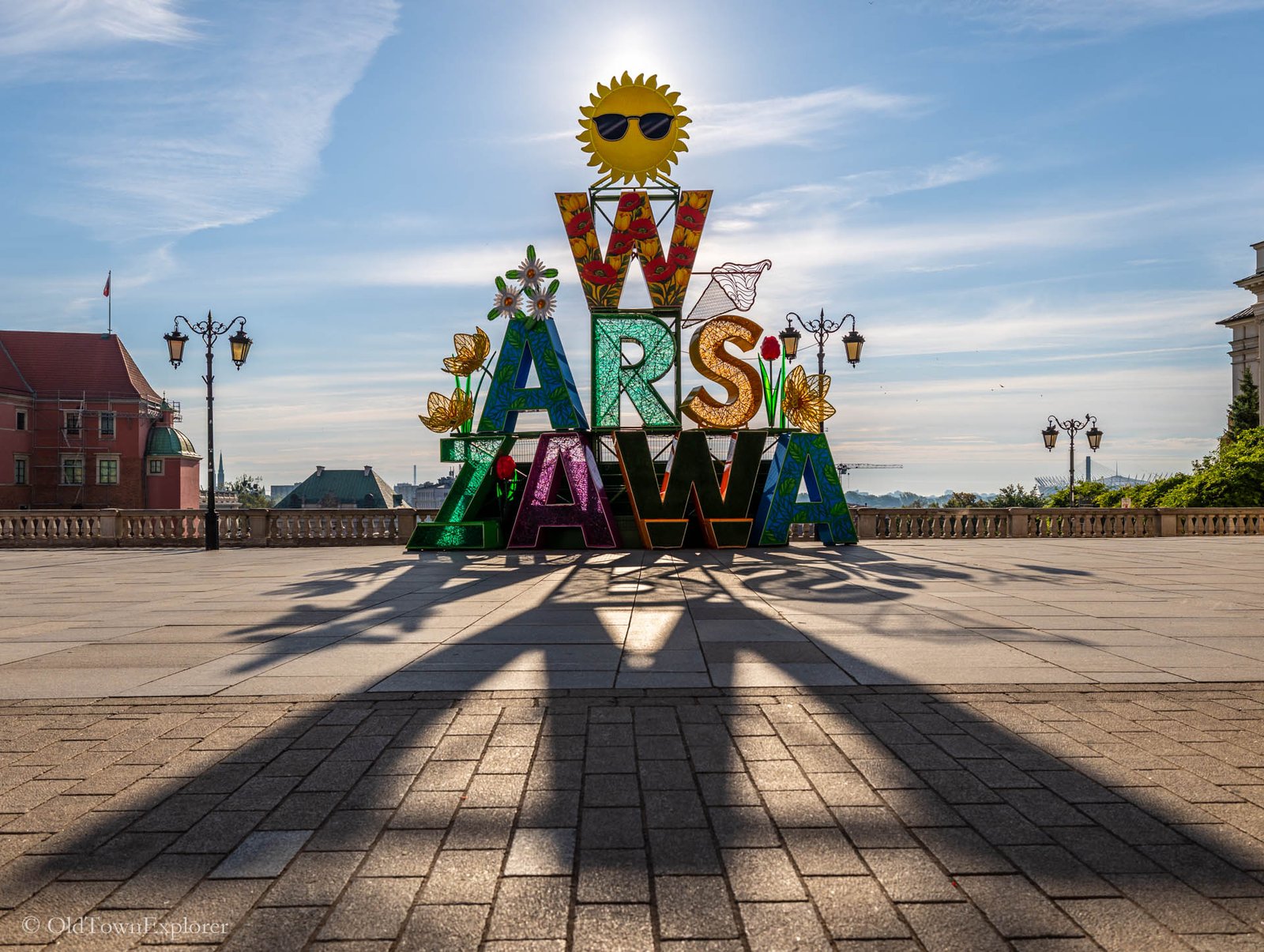
Explore Life in Warsaw: Pros & Cons of Living in Poland’s Capital
Warsaw is Poland’s capital, spread across both banks of the Vistula River. The pros and cons of living in Warsaw depend on how much you value restaurant choice, city services, and riverside space against longer journeys, cold winters, and apartment costs. A neighborhood with nearby groceries and a useful transit connection can make everyday life considerably easier than an address chosen mainly for its proximity to the Old Town.
We spent a month in Warsaw. Our time included exploring its architecture and using wine bars, restaurants, and bottle shops to understand the city’s food and wine options. Those experiences give a starting point for judging a longer stay, while housing comfort, seasonal weather, and the journeys you would repeat each week deserve their own checks before committing.
This page contains affiliate links. We may earn a small commission at no extra cost to you.
Living in Warsaw at a Glance
Warsaw offers enough restaurant choice to vary meals throughout a long stay, but its size means your home address determines which parts of that choice are convenient. The Vistula adds outdoor space; winter weather changes how often you will use it.
Key daily-life points:
- Best for: People who want a large-city dining scene, wine bars, cultural events, and domestic rail connections without depending on a car.
- Harder for: People seeking mild winters, low Polish rental costs, or a compact center containing most of their weekly destinations.
- What stands out: Riverside walks and sandy beaches sit alongside a reconstructed Old Town, postwar districts, and newer towers.
- Top trade-offs: Cold, short winter days and occasional summer heat make heating, shade, and cooling important apartment questions.
- Scouting focus: Compare the actual trip from each apartment to groceries, work, restaurants, and your preferred outdoor space.
- Water access: Seasonal kayaking and boat outings are available, but a Vistula beach should not be treated as a swimming beach.
Old Town addresses are not automatically the most convenient for rail travel. If you expect frequent departures, compare the trip to Centralna, Zachodnia, or Wschodnia against the station used by your intended trains.
Pros and Cons of Living in Warsaw
Warsaw’s strongest advantages are the choices available during an ordinary week: meals out, shopping, outdoor time, and travel beyond the city. The main drawbacks concern the distances between those choices and the comfort of the apartment you return to, particularly during winter and hot summer spells.

Pro: Strong Restaurant Choices
Warsaw has the restaurant range to support frequent meals out, from Polish cooking and milk bars to international cuisines and more elaborate dinners. That variety matters during a longer stay, when repeating a handful of places can become limiting. Our Warsaw food page covers the deeper food questions; for daily life, check the choices within an easy trip of your apartment.
Con: Daily Life Is Spread Out
Warsaw’s restaurants, workplaces, parks, and shopping streets extend well beyond the Old Town, with the Vistula separating destinations on opposite banks. A pleasant walk near home does not mean the rest of your week will fit within walking distance. Compare the journeys you would repeat most often, including transfers and the walk between your apartment and the stop.
Con: Cold Winters and Short Days
Cold weather and short daylight hours can make Warsaw’s winter routines feel much more restrictive than its summer ones. Evening walks, outdoor exercise, and time beside the Vistula become less appealing when darkness and low temperatures coincide. Reliable heating, comfortable indoor space, and nearby groceries matter especially if you plan to stay through the colder months.
Con: Summer Heat Can Affect Apartment Comfort
Warsaw can have hot summer spells, and an apartment that works well in winter may become uncomfortable when strong sun reaches its rooms. Cooling is a property-specific question rather than something to assume from the city’s climate. Check window orientation, exterior shade, ventilation, and whether advertised air conditioning reaches the bedroom as well as the main living space.
Con: High Rents by Polish Standards
Warsaw sits at the expensive end of Poland’s rental market, so choosing the capital can absorb more of your budget than choosing a smaller Polish city. Location, furnishing, and rental length all affect what you will actually pay. Compare equivalent properties and the complete monthly charge, rather than treating an advertised rent or a national average as your likely total.

Pro: Good Wine Bars and Bottle Shops
Warsaw’s wine bars and bottle shops make wine part of ordinary city life without needing regular trips to a vineyard region. During our month, we used bars, restaurants, and bottle buying to explore Polish wine from the capital. Our Warsaw wine page covers that access in more detail; individual shops differ in their Polish and international selections.
Pro: Vistula Walks and Riverside Beaches
The Vistula gives Warsaw a substantial outdoor setting for walks, sitting beside the water, and spending warm evenings away from busy streets. Its riverside boulevards and sandy beaches offer different experiences, so the bank nearest your home matters. This is a benefit for daily time outdoors and social life; swimming is a separate question from enjoying the shoreline.
Pro: Extensive Metro, Tram, and Bus Connections
Warsaw’s metro, trams, and buses make a wide range of neighborhoods workable without owning a car. Their value is greatest when your apartment has a direct connection to the places you use regularly, rather than merely a stop nearby. Check Warsaw Public Transport for the network and ticket information, and compare complete journeys when assessing an address.
Pro: Useful Fresh-Food Markets
Markets such as Hala Mirowska add a useful alternative to supermarket shopping, particularly when you want to choose fresh produce from individual stalls. They can turn a weekly food shop into a more varied routine. The practical benefit depends on distance and opening hours, so a market across town may be an occasional outing rather than your usual source of groceries.
Pro: Strong Domestic Train Connections
Warsaw’s mainline stations provide connections to major Polish cities, making a longer stay compatible with weekends elsewhere in the country. Rail access also helps when family visits or work take you beyond the capital. Check the departure station as well as the journey time: Centralna, Zachodnia, and Wschodnia are different locations, and the nearest station may not serve your intended train.
Pro: Pedestrian Streets in the Old Town
The Old Town’s pedestrian streets provide a place to walk between squares, cafés, and restaurants without the constant traffic of Warsaw’s larger roads. That is a distinct advantage if these streets form part of your everyday route. Their limited area and visitor activity mean they do not represent walking conditions across the city, nor guarantee a quiet apartment nearby.
Pro: Large Parks Across the City
Warsaw has substantial parks, including Łazienki, Pole Mokotowskie, and Skaryszewski Park, that give residents space for ordinary walks and time outside. Having one nearby can make a neighborhood more appealing even when it is farther from the Old Town. Compare the entrance you would actually use and the streets between it and your apartment, rather than judging distance from a map label.
Pro: Plenty of Everyday Grocery Options
Warsaw offers supermarkets, smaller grocery stores, and neighborhood shops, giving residents several ways to buy everyday food without relying entirely on market stalls. The useful question is which stores are convenient for the amount you normally carry home. Check the closest full grocery shop alongside smaller options, since a nearby convenience store may not meet the needs of your weekly shopping.
Con: Sunday Shopping Requires Planning
Many supermarkets close on Poland’s non-trading Sundays, so a large grocery shop cannot always wait until the end of the weekend. Some smaller shops operate under exceptions, but their selection may not replace your usual supermarket. Check the current trading calendar and your local store’s hours, then plan the main food shop before a closed Sunday rather than relying on a last-minute alternative.
Con: Busy Streets Can Mean Apartment Noise
An apartment beside a tram corridor, large road, or late-opening venue can expose you to noise that is easy to miss during a daytime viewing. Warsaw’s varied streets make this an address-level issue rather than a reason to reject an entire district. Visit in the evening, check which way the bedroom faces, and consider whether you will need open windows in summer.
Pro: Varied Architecture Beyond the Old Town
Warsaw’s reconstructed Old Town is only one part of its architectural character; Praga’s brick buildings, postwar districts, palaces, and newer towers give walks elsewhere a different setting. During our month, we explored architecture across several parts of the city. Our Warsaw architecture page covers the buildings and history, while neighborhood choice determines what you see on ordinary daily routes.
Pro: Seasonal Kayaking and Boat Outings
Warsaw’s Vistula supports seasonal kayaking and boat outings, giving residents opportunities to spend time on the water as well as beside it. This adds a recreational option to a longer stay without requiring a trip to the coast. Availability depends on the season, operator, and river conditions, so it is better suited to planned outings than a guaranteed year-round routine.
Con: River Beaches Do Not Mean Easy Swimming
Warsaw’s sandy river beaches provide places to relax, but they should not be taken as evidence that the adjoining Vistula is suitable for swimming. River currents and restrictions make the distinction important for anyone who wants regular water exercise. Use swimming pools or designated bathing locations, checking current rules, rather than choosing a riverside apartment on the assumption that you can swim nearby.
Pro: Good Park and Riverside Running Routes
Parks such as Pole Mokotowskie and Skaryszewski, together with Vistula paths, give runners alternatives to repeated loops around busy residential blocks. A nearby route can make exercise easier to maintain during a longer stay. Check the actual surface, road crossings, and lighting along the route you would use, especially if your available running time falls before sunrise or after work.
Pro: Museums, Concerts, and Cultural Events
Warsaw’s museums, concert venues, and recurring cultural events provide enough variety to make cultural outings part of a regular week. Indoor options are particularly useful when winter weather limits time outside. The benefit depends on your interests and location, so compare current programs and the trip home instead of assuming that every central venue will be convenient from your chosen neighborhood.
Con: Central Parking Adds Cost and Planning
Keeping a car near central Warsaw requires checking paid parking areas and the arrangements available at your building. A street space visible during a viewing is not the same as a dependable place to park each day. Before committing, confirm any private parking charge and consult the city’s parking information for the address where you intend to live.
Pro: Strong Polish Craft Beer Choices
Warsaw’s craft beer bars offer a way to explore Polish brewing during ordinary evenings out, complementing the city’s wine options. This is useful for people who enjoy trying different producers without organizing brewery trips. Check the bars near your regular routes and their current tap lists; access to the wider city’s selection still depends on how far you want to travel.
Pro: Useful International Rail Connections
International trains give Warsaw residents an alternative to flying for some journeys, including connections toward Berlin, Prague, and Vienna. That can make European travel more flexible during a longer stay, particularly when you prefer arriving at a city station. International does not necessarily mean quick: compare current schedules, changes, and departure stations before deciding that a route suits a weekend away.
Pro: Convenient Chopin Airport Connections
Chopin Airport has city rail and bus connections, making airport trips possible without maintaining a car or relying on a taxi for every departure. This helps residents who travel regularly, although the trip still depends on their address and flight time. Check the airport named on your booking, because Modlin is farther away and requires a different transfer plan.
Pro: Nonstop Flights to the United States
Warsaw has nonstop flight options to selected United States cities, including New York and Chicago, which can simplify visits home or regular transatlantic travel. Avoiding a European connection is a meaningful benefit when those destinations suit your plans. Check the route and operating dates before relying on it; travelers whose final destination is elsewhere may still need a connection within the United States.
Con: Polish Helps Beyond Visitor Services
English is widely spoken in Warsaw, particularly in central restaurants, hotels, and visitor services, so many everyday interactions are manageable in English. Polish becomes more useful beyond those settings, including neighborhood shops and local service arrangements where English cannot be assumed. Learning food names and basic phrases, with a translation tool for longer exchanges, can make routine errands easier without overstating the language barrier.
Pro: Forest Hiking Near Warsaw
Kampinos National Park provides forest trails near Warsaw for residents who want longer walks beyond city parks and river paths. Its lowland landscape makes this a different outdoor option from urban exercise, rather than a substitute for mountain hiking. Check the trailhead and return transport before setting out, since proximity to the capital does not mean every route is easy to reach without a car.
Pro: Varied Day Trips Around Mazovia
Mazovia gives Warsaw residents outings beyond the capital, including places such as Żelazowa Wola, Konstancin-Jeziorna, and Żyrardów. These add small-town, musical, spa-town, and industrial-history interests to a longer stay, distinct from forest hiking. The practical choice depends on the destination’s transport and opening arrangements, so compare the full return journey before treating every regional outing as a simple train day trip.
Discover Warsaw Before Moving
A scouting stay should show whether Warsaw’s scale works for your ordinary week. Repeat the trips you would make for groceries, work, meals out, and exercise, then compare how the same apartment feels in the evening. If you expect to stay through winter or summer, ask specific questions about heating, shade, and cooling rather than judging comfort from one pleasant day.
Hotels and Apartments
Compare bases in Śródmieście, Powiśle, and near the Old Town with a neighborhood across the river in Praga. Look at the grocery shop, tram or metro connection, and bedroom orientation for each address. An apartment can also help you test cooking and carrying shopping home, while a hotel stay may reveal less about those routines.
Use the interactive map below to compare hotels and apartments in Śródmieście, Powiśle, near Hala Mirowska, and around useful metro or tram stops in Praga. Choose addresses that let you compare the journeys and apartment conditions you would face during a longer stay.
Tips for Living in Warsaw
Choose an address by the trips and conditions you would repeat each week. A few specific checks can reveal differences that a neighborhood name or listing photograph will miss.
Time Your Regular Journeys
Compare the complete trip from the apartment door to work, groceries, and your usual evening destinations. Include the walk to the stop and any transfer, and test the return trip at the time you would normally make it.
Check Heating and Cooling
Ask how heating is controlled and what cooling equipment is actually installed. Check bedroom shade and ventilation, and ask which utility charges are included so winter comfort and summer comfort can be assessed alongside the rental budget.
Listen After Dark
Visit the building on an ordinary evening and, if possible, a weekend night. Listen from the bedroom side for traffic, trams, nearby venues, and courtyard activity; closed windows may give a different impression from the windows you will open in warm weather.
Plan Your Sunday Groceries
Check whether the coming Sunday is a trading Sunday and confirm the hours of your preferred supermarket. Keep enough food at home to avoid making a small convenience shop your only option for a full weekly shop.
Check the Departure Station
Before booking an out-of-town journey, confirm which Warsaw station your train uses. Save the trip from your apartment to that station separately from the train itinerary, and distinguish Chopin from Modlin when planning an airport transfer.
FAQs About Living in Warsaw
Can You Live in Warsaw Without a Car?
Yes, many Warsaw routines are practical without a car because the city has metro, tram, bus, and urban rail connections. The important variable is your address: compare the complete journeys to work, groceries, and evening destinations, including the service available when you normally return home.
Is Warsaw Expensive by Polish Standards?
Warsaw is at the expensive end of Poland’s rental market, so housing deserves particular attention when comparing it with other Polish cities. Your actual budget depends on location, apartment size, rental length, and included charges. Compare equivalent listings and ask for the complete monthly cost.
Is English Enough for Everyday Life?
English is widely spoken, especially in central restaurants, hotels, and visitor services, and can cover many daily interactions. It is less dependable for every neighborhood shop or local service arrangement. Basic Polish and a translation tool help when you move beyond settings used regularly by international visitors.
Can You Swim at Warsaw’s River Beaches?
Do not assume you can swim in the Vistula because a sandy beach is nearby. The shoreline supports relaxing and other recreation, but swimming is a separate activity with river hazards and restrictions. For regular swimming, compare pools or designated bathing locations and check their current opening arrangements.
What Should You Test Before a Longer Stay?
Test the trips you would repeat and the comfort of the apartment you would return to. Warsaw’s size makes door-to-door travel important, while cold winters and hot summer spells make heating, cooling, and window orientation worth checking. Include an evening noise check and an ordinary grocery run.
