
Italy
Explore Italy: Food, Wine & Architecture
Italy is one of Europe’s strongest destinations for travelers interested in traditional food, local wine, historic architecture, and regional culture. Roman ruins, medieval towns, Renaissance cities, wine regions, markets, churches, palaces, and UNESCO-listed cultural sites create one of the most varied travel experiences in Europe.
Rome, Bologna, Naples, Venice, and Turin are the strongest starting points for an Italy trip built around food, wine, and architecture. Rome connects ancient, Renaissance, and Baroque layers; Bologna anchors Emilia-Romagna food culture; Naples brings southern food and archaeology together; Venice gives Italy its most distinctive lagoon city; and Turin works well for Piedmont wine, historic cafés, and Baroque streets.
We have spent extended time throughout Italy, including month-long stays in Rome, Naples, Bologna, Turin, Venice, Como, Lucca, and Lecce. This guide focuses on where to go, what to eat and drink, what architecture to notice, and how Italy’s regions connect through food, wine, and historic urban landscapes.
Italy at a Glance
Italy is best understood through its regional cities, historic towns, food traditions, wine regions, architectural landmarks, and cultural landscapes, which vary significantly from north to south.
Key planning points:
- Best for: Food, wine, architecture, historic cities, archaeology, regional travel, lakes, mountains, and coastlines
- Top city bases: Rome, Florence, Bologna, Naples, Venice, and Turin
- Key food themes: Pasta, rice, pizza, cured meats, cheeses, olive oil, seafood, vegetables, breads, and regional pastries
- Key wine regions: Piedmont, Tuscany, Veneto, Sicily, Campania, Abruzzo, Emilia-Romagna, and Puglia
- Architecture highlights: Roman monuments, medieval towns, Renaissance cities, Baroque churches, royal palaces, porticoes, and UNESCO-listed historic centers
- Good first route: Rome, Florence, and Bologna by train, with Venice added for lagoon architecture or Naples for southern food and archaeology
For a first trip, choose two or three bases on one rail corridor or stay within one part of the country. Crossing from the far north to the deep south or adding an island usually needs more time than the map suggests.
Italy Destinations
Italy offers a mix of ancient capitals, medieval towns, Renaissance cities, wine regions, coastal settlements, lake cities, and UNESCO-listed historic centers. Its strongest destination routes usually work by region rather than by a single national checklist, with northern, central, and southern cities each adding different food, wine, and architectural traditions.
Our Rome, Bologna, Naples, Turin, Venice, Lucca, Como, and Lecce pages introduce Italy through several of its strongest regional identities, from Lazio, Emilia-Romagna, Campania, Piedmont, and Veneto to Tuscany, Lombardy, and Puglia.
Rome
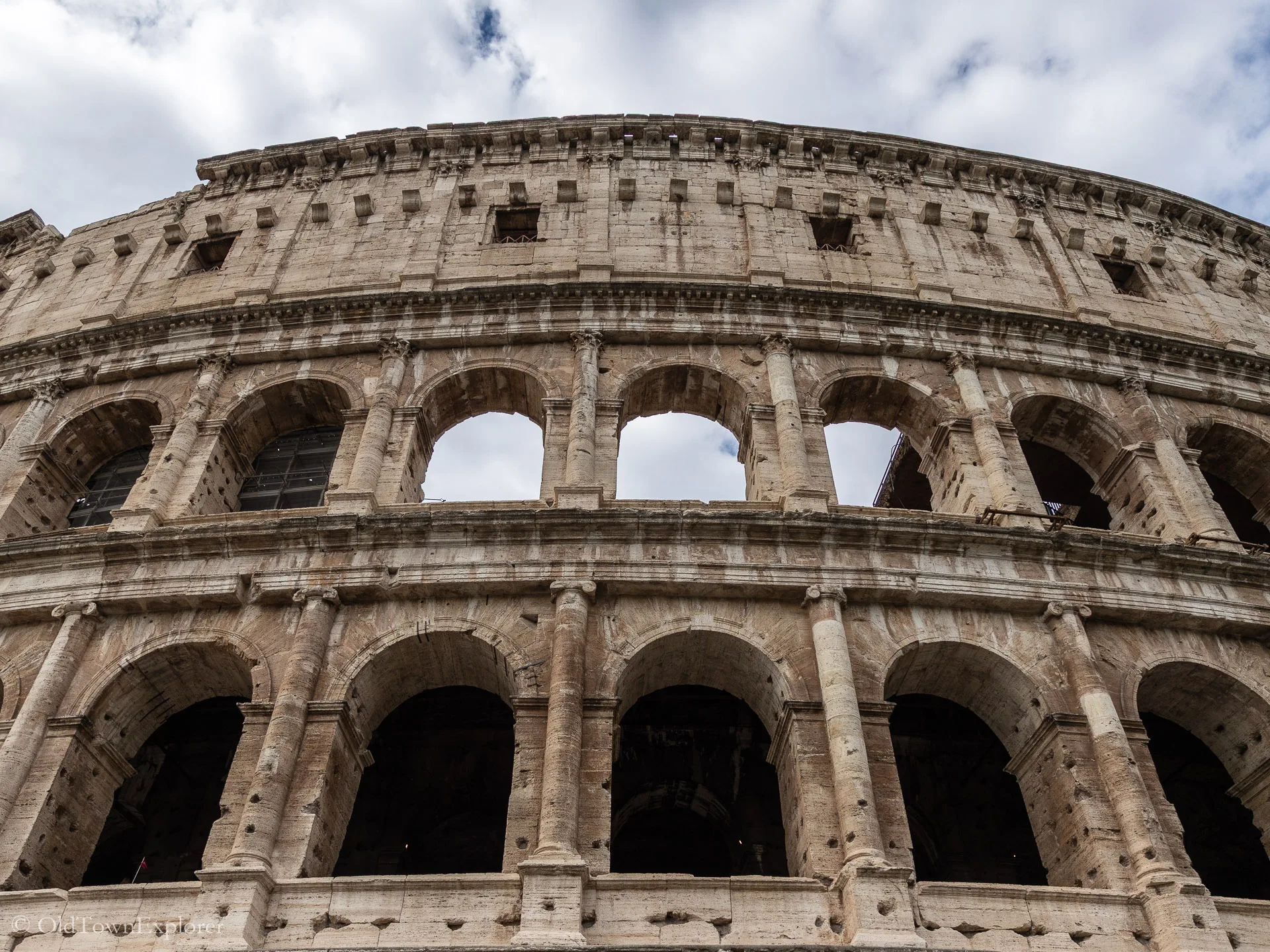
Rome is Italy’s capital and the country’s strongest first base for architecture, food, history, and urban exploration. Ancient Roman monuments, Renaissance churches, Baroque squares, Vatican landmarks, traditional restaurants, markets, and layered neighborhoods make it one of Europe’s most important travel destinations.
Choose Rome when architecture, ancient history, museums, food, and a deep city itinerary matter more than a compact historic center.
Florence
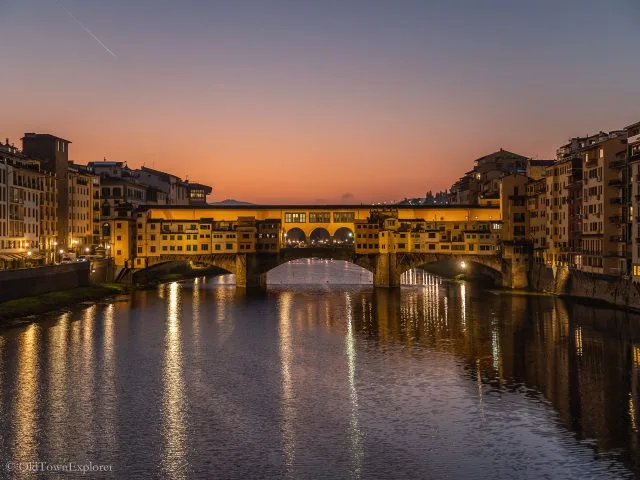
Florence is one of Italy’s most important Renaissance cities and a major base for art, architecture, food, and Tuscan travel. The cathedral complex, palaces, churches, bridges, museums, and historic streets make it one of the country’s strongest cultural destinations.
Choose Florence when Renaissance architecture, art, museums, Tuscan food, and access to nearby wine country matter more than lower crowds or a quieter city base.
Bologna
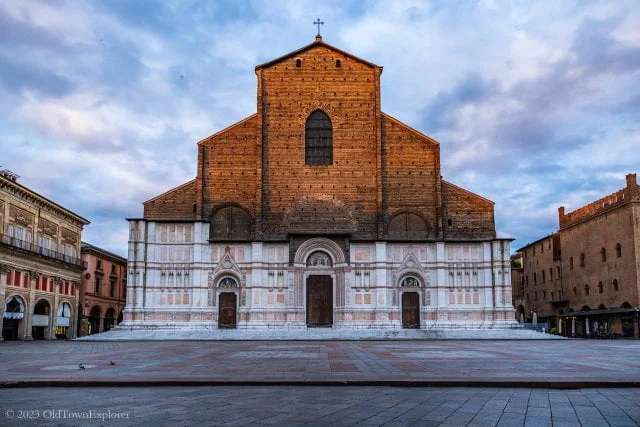
Bologna is one of Italy’s strongest food cities and an excellent base for exploring Emilia-Romagna. Porticoes, medieval towers, markets, traditional restaurants, and proximity to some of Italy’s most famous food products make it one of the country’s most rewarding destinations.
Choose Bologna when food, walkability, porticoed streets, and regional day-trip access matter more than major archaeological sites or coastal scenery.
Naples
Naples is one of Italy’s most distinctive cities, known for pizza, street food, historic churches, dense urban neighborhoods, archaeological museums, and access to Pompeii, Herculaneum, and the Bay of Naples. It gives travelers one of the strongest introductions to southern Italian food, architecture, and urban culture.
Choose Naples when food, energy, history, and southern Italian character matter more than polished streets or a quiet atmosphere.

Turin
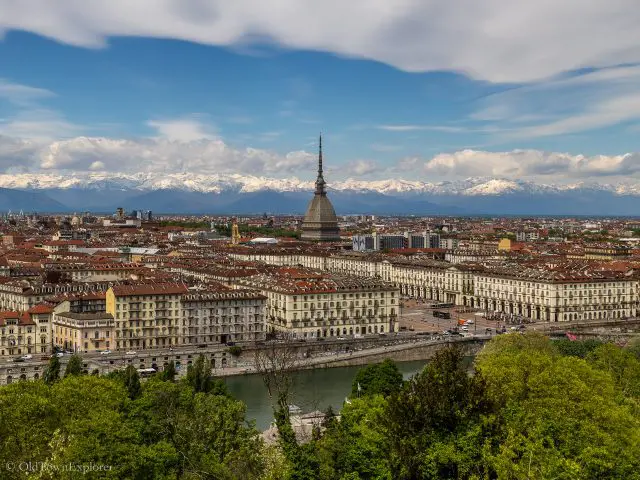
Turin combines Baroque architecture, royal residences, arcaded streets, historic cafés, chocolate traditions, and access to some of Italy’s most important wine regions. It is one of northern Italy’s strongest city bases for travelers who want architecture, food, wine, and lower tourist density.
Choose Turin when wine access, cafés, Baroque streets, and a refined city atmosphere matter more than famous Roman ruins or coastal scenery.
Venice
Venice is one of the world’s most distinctive urban environments, built across a lagoon connected by canals, bridges, churches, palaces, and historic neighborhoods. The city combines maritime history, architecture, food, and culture in a setting unlike anywhere else in Europe.
Choose Venice when architecture, canals, maritime history, and a unique urban landscape matter more than affordability or convenience.

Siena
Siena is one of Tuscany’s strongest medieval city destinations, centered on Piazza del Campo, the cathedral, civic palaces, contrade traditions, and dense brick streets. It offers a different version of Tuscany than Florence, with a more compact historic core and a strong medieval identity.
Choose Siena when medieval architecture, Tuscan food, historic streets, and a smaller city scale matter more than major Renaissance museums.

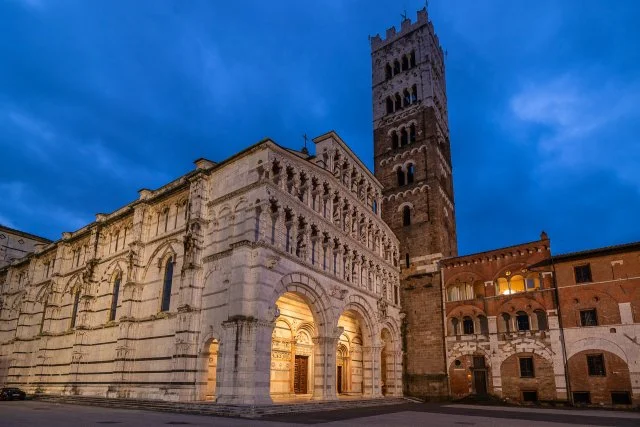
Lucca
Lucca is one of Tuscany’s strongest historic city bases, known for its intact Renaissance walls, churches, towers, piazzas, and access to nearby wine country. The city combines walkability with a scale that is easier to manage than larger Tuscan destinations.
Choose Lucca when historic streets, Tuscan food, wine access, and a slower pace matter more than major museums or famous landmarks.
Orvieto
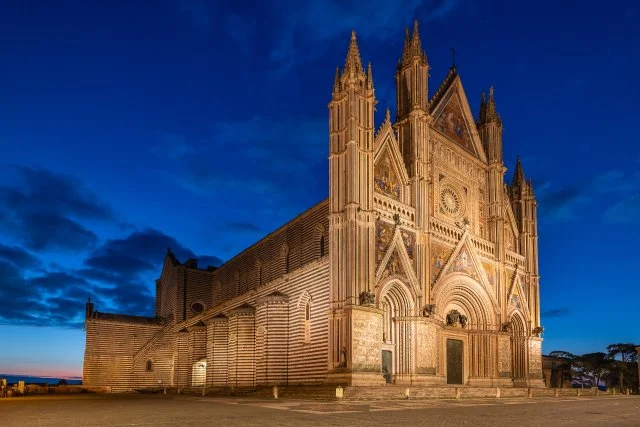
Orvieto is a hill town in Umbria known for its dramatic volcanic-rock setting, cathedral, underground spaces, medieval streets, and local white wine. It works especially well as a historic town base between Rome and central Italy.
Choose Orvieto when hill-town scenery, cathedral architecture, Umbrian food, and a compact historic center matter more than big-city variety.
Perugia
Perugia is one of Umbria’s most important historic cities, with Etruscan walls, medieval streets, churches, palaces, viewpoints, cafés, and a strong university-city atmosphere. It gives travelers a deeper introduction to central Italy beyond Tuscany and Rome.
Choose Perugia when medieval streets, Umbrian food, viewpoints, and a regional city base matter more than famous headline monuments.

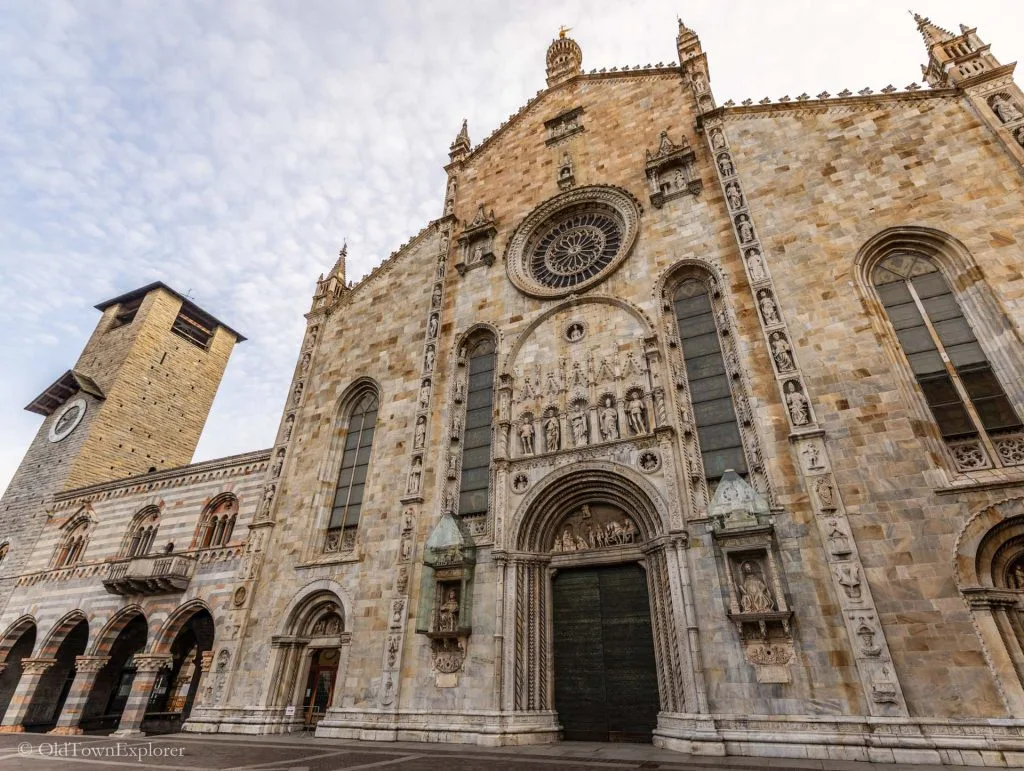
Como
Como combines lake scenery, historic architecture, regional food traditions, and access to Lombardy wine regions. It serves as a practical base for exploring Lake Como while still offering a real city center, churches, piazzas, markets, and transportation links.
Choose Como when lake views, regional food, and northern Italian scenery matter more than large numbers of historic monuments.
Genoa
Genoa is one of Italy’s great maritime cities, with a dense historic center, port history, palaces, churches, markets, and Ligurian food traditions. Its architecture and urban form reflect centuries of trade, banking, and Mediterranean connections.
Choose Genoa when maritime history, Ligurian food, layered streets, and a major port-city atmosphere matter more than polished tourism infrastructure.

Cinque Terre
Cinque Terre is a group of five Ligurian coastal villages known for terraced landscapes, sea views, narrow lanes, hiking routes, seafood, and local wine. It is best understood as a coastal cultural landscape rather than a traditional city base.
Choose Cinque Terre when coastal scenery, village walks, seafood, and vineyard landscapes matter more than museums, large churches, or broad urban architecture.

Trieste
Trieste is a northeastern Italian port city shaped by Adriatic, Austro-Hungarian, Slovenian, and Italian influences. Its grand squares, coffeehouses, waterfront, literary history, and mix of architectural styles make it one of Italy’s most distinctive borderland cities.
Choose Trieste when coffeehouse culture, Central European architecture, port history, and a less typical Italian city atmosphere matter more than classic Renaissance or Roman sightseeing.

Lecce
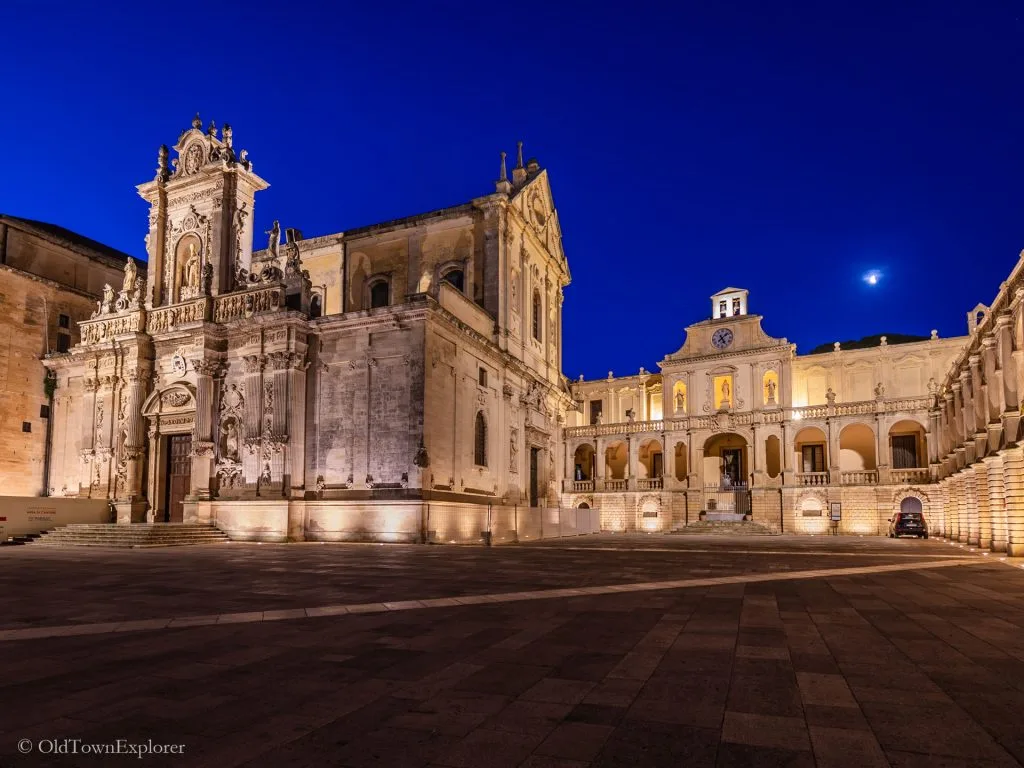
Lecce is one of southern Italy’s strongest historic cities, known for Baroque architecture, local food traditions, wine culture, and its position within the Salento region of Puglia. Churches, palaces, Roman remains, and limestone streets give the city a distinctive architectural identity.
Choose Lecce when Baroque architecture, southern Italian food, wine, and access to Puglia matter more than major museums or large-city variety.
Italy Food
Italian food varies dramatically by region. Butter, rice, polenta, filled pasta, and Alpine cheeses are common in parts of the north, while olive oil, dried pasta, tomatoes, vegetables, seafood, and sheep’s-milk cheeses become more prominent through central and southern Italy.
Start with Italy Food for a fuller comparison of regional products and traditional dishes. The regional pages below help match meals with the cities and countryside already on your route.
Food Regions
These regions show how Italy’s pasta, rice, bread, cheese, cured meat, seafood, vegetables, and cooking fats change from north to south:
- Piedmont: Look for agnolotti, risotto, truffles, hazelnuts, chocolate, braised meat, and cheeses from the Alpine valleys and plains. Turin is the broadest city base for exploring the region’s food.
- Lombardy: Risotto, polenta, filled pasta, lake fish, veal, bresaola, and Alpine cheeses change between Milan, Lake Como, the plains, and the northern valleys.
- Liguria: Genoa and the Ligurian coast are known for pesto, focaccia, farinata, anchovies, seafood, stuffed vegetables, and olive-oil-based cooking.
- Veneto: Venice brings cicchetti, lagoon seafood, baccalà, risotto, and polenta, while the inland plains, Lake Garda, and Alpine edge add different meat, cheese, and vegetable dishes.
- Friuli-Venezia Giulia: Prosciutto di San Daniele, frico, polenta, seafood, dumplings, and Central European dishes reflect the region’s Adriatic, Alpine, and borderland geography.
- Emilia-Romagna: Bologna, Modena, and Parma lead toward tortellini, tagliatelle al ragù, mortadella, Parmigiano Reggiano, prosciutto, and traditional balsamic vinegar.
- Tuscany: Unsalted bread, beans, vegetable soups, grilled meat, pecorino, cured meats, and olive oil define many meals around Florence, Siena, Lucca, and the countryside.
- Umbria: Pork, cured meats, lentils, farro, truffles, game, olive oil, and freshwater fish suit a route through Perugia, Orvieto, and smaller hill towns.
- Lazio: Rome is the main base for carbonara, cacio e pepe, amatriciana, gricia, artichokes, porchetta, lamb, pecorino, and traditional offal dishes.
- Campania: Naples brings pizza, fried street food, pasta, tomatoes, mozzarella di bufala, seafood, ragù, sfogliatella, and babà, while the coast and inland areas add their own produce and dairy traditions.
- Puglia: Orecchiette, durum-wheat bread, olive oil, vegetables, legumes, burrata, seafood, and simple grilled or baked dishes make food a central part of a Bari or Lecce stay.
Choose the regional food page that matches the cities already on your itinerary rather than crossing Italy only to collect individual dishes.
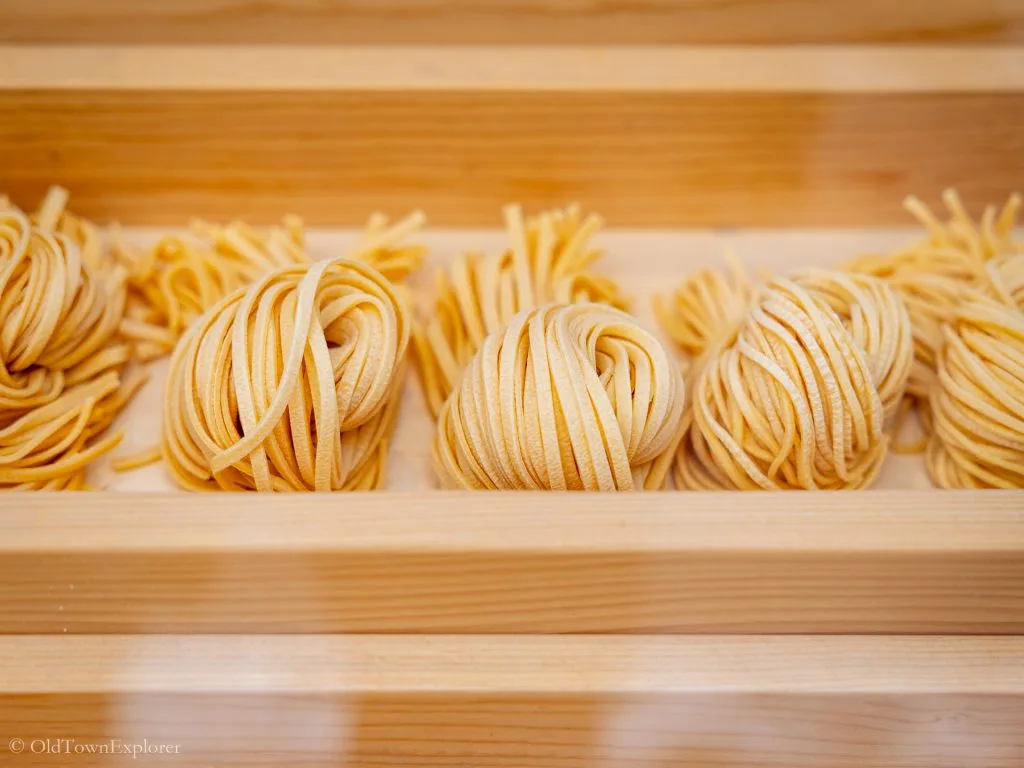
Food Products
Look for regional names on menus, market counters, and food-shop labels:
- Hard and aged cheeses: Parmigiano Reggiano and Grana Padano are northern staples, while pecorino changes between Tuscany, Lazio, Sardinia, Sicily, and other sheep-raising areas.
- Fresh and soft cheeses: Mozzarella di bufala is closely tied to Campania, burrata to Puglia, and Gorgonzola and Taleggio to northern Italy.
- Cured meats: Prosciutto di Parma, Prosciutto di San Daniele, mortadella, speck, bresaola, salami, and regional pork products make the deli counter one of the clearest guides to local food.
- Olive oil: Liguria, Tuscany, Umbria, Lazio, Puglia, Calabria, Sicily, Sardinia, and the northern lakes produce oils with different levels of fruitiness, bitterness, and peppery heat.
- Pasta, rice, and polenta: Fresh egg pasta is especially important in Emilia-Romagna, dried durum-wheat pasta dominates much of the south, and rice or polenta often replaces pasta in northern meals.
- Bread and flatbreads: Focaccia in Liguria, unsalted Tuscan bread, pane carasau in Sardinia, and durum-wheat loaves in Puglia belong to different regional meals.
- Condiments and preserves: Traditional balsamic vinegar, pesto, mostarda, colatura di alici, capers, olives, dried tomatoes, and chile preserves point toward very different kitchens.
- Truffles, nuts, and fruit: Piedmont and central Italy are important truffle areas, while hazelnuts, pistachios, chestnuts, citrus, apples, and grapes appear in regional sauces, sweets, drinks, and seasonal dishes.
Markets and specialty shops make these differences easier to see before you encounter the same names on a restaurant menu.
Traditional Dishes
These dishes give a practical introduction to Italy’s regional cooking:
- Pizza napoletana: Naples’s soft, blistered pizza is usually built around a short list of toppings rather than a heavily loaded base.
- Cacio e pepe, carbonara, amatriciana, and gricia: Rome’s main pasta group changes through pecorino, black pepper, egg, guanciale, and tomato.
- Tagliatelle al ragù and tortellini: Bologna is the natural starting point for Emilia-Romagna’s fresh egg pasta, filled pasta, and slow-cooked meat sauces.
- Risotto alla milanese: Milan’s saffron risotto is often served alone or beside ossobuco.
- Trofie or trenette al pesto: Ligurian pasta with basil pesto may also include potatoes and green beans.
- Ribollita: Tuscany’s bread-and-vegetable soup is built around beans, greens, stale bread, and olive oil.
- Orecchiette con cime di rapa: Puglia’s ear-shaped pasta with bitter greens is a useful first order in Bari, Lecce, and nearby towns.
- Frico: Friuli-Venezia Giulia’s cheese dish may be prepared as a crisp wafer or a softer mixture with potatoes.
- Arancini or arancine: Sicily’s filled and fried rice snacks change in name, shape, and filling across the island.
- Malloreddus: Sardinia’s small ridged pasta is commonly served with sausage, tomato, saffron, or pecorino.
Choose dishes from the region you are visiting and leave restaurant-level decisions to the city food pages.
Italy Wine
Wine is produced throughout Italy, from Alpine valleys and northern lake districts to central hill towns, southern volcanic areas, Adriatic coastlines, Sicily, and Sardinia. Labels may lead with a grape, a town, an appellation, a producer, or a wine style, so learning the main regions and grapes makes ordering much easier.
Start with Italy Wine for the national wine map, label terms, and deeper grape comparisons. Use the regional links below when you are choosing a city tasting base or deciding whether to add wine country.
Wine Regions
These regions introduce the main grapes, wine styles, and vineyard areas that connect naturally with Italy’s current city and regional travel guides:
- Piedmont: Nebbiolo, Barbera, Dolcetto, Moscato, Barolo, and Barbaresco make Piedmont one of Italy’s strongest wine destinations, with Turin as the main city base before visiting the Langhe.
- Lombardy: Franciacorta sparkling wine, Nebbiolo from Valtellina, and the varied wines of Oltrepò Pavese make Lombardy more diverse than a Milan- or Lake Como-focused trip may suggest.
- Liguria: Vermentino, Pigato, Rossese, and the steep vineyards of Cinque Terre suit a coastal route built around Genoa, fishing villages, seafood, and terraced landscapes.
- Veneto: Prosecco, Soave, Valpolicella, Amarone, Recioto, and Bardolino place sparkling, white, light red, and powerful dried-grape wines within reach of Venice and Verona.
- Friuli-Venezia Giulia: Friulano, Ribolla Gialla, Sauvignon Blanc, aromatic whites, and skin-contact wines make the region a strong addition to a Trieste or northeastern Italy itinerary.
- Emilia-Romagna: Lambrusco, Pignoletto, Albana, and Sangiovese di Romagna pair naturally with the cured meats, cheeses, filled pasta, and rich sauces found around Bologna and neighboring cities.
- Tuscany: Sangiovese leads the region through Chianti Classico, Brunello di Montalcino, and Vino Nobile di Montepulciano, while coastal areas add fuller reds and international grape varieties.
- Umbria: Sagrantino, Grechetto, and the wines around Orvieto fit a central Italian route through Perugia, Orvieto, Montefalco, and nearby hill towns.
- Lazio: Frascati, Cesanese, and other local wines from the hills and volcanic landscapes around Rome make Lazio easy to add to a stay in the capital.
- Abruzzo: Montepulciano d’Abruzzo, Cerasuolo d’Abruzzo, Trebbiano, and Pecorino come from vineyards between the Apennines and the Adriatic coast.
- Campania: Aglianico, Fiano, Greco, and Falanghina grow in volcanic, coastal, and inland areas around Naples, Vesuvius, Irpinia, and Benevento.
- Puglia: Primitivo, Negroamaro, Nero di Troia, and southern rosato make Puglia a strong wine region for travelers staying in Lecce, Salento, Bari, or the surrounding countryside.
Choose one regional wine area that fits the rest of the route; Piedmont, Tuscany, Veneto, Emilia-Romagna, Campania, and Puglia all combine naturally with established city bases.
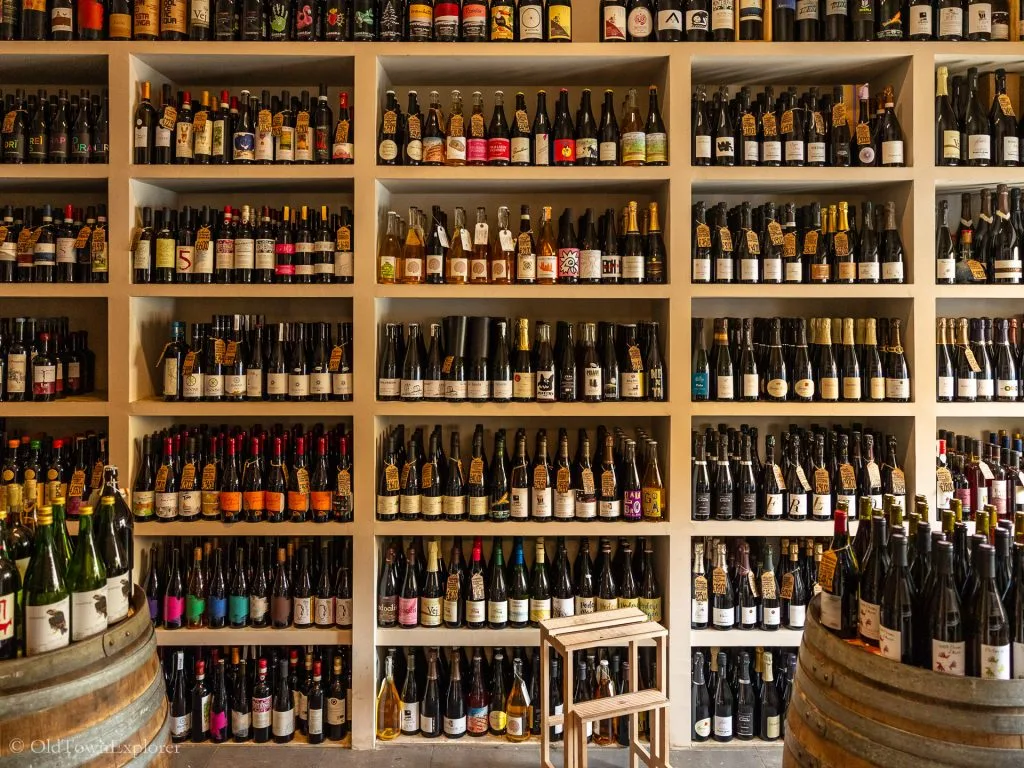
Grape Varieties
These grape names appear often enough on labels and wine lists to learn before the trip:
- Nebbiolo: The structured, aromatic Piedmont grape behind Barolo and Barbaresco, also grown in Lombardy’s Valtellina.
- Sangiovese: The central Italian grape behind Chianti Classico, Brunello di Montalcino, Vino Nobile di Montepulciano, and many regional reds.
- Barbera: A northern red with lively acidity and softer tannin than Nebbiolo, commonly associated with Piedmont.
- Corvina: A principal Veneto grape in Valpolicella, Amarone, Recioto, and Bardolino.
- Aglianico: A firm southern red associated especially with Campania and Basilicata.
- Montepulciano: The dark-fruited grape behind Montepulciano d’Abruzzo; it is not the same thing as the Tuscan town of Montepulciano.
- Primitivo and Negroamaro: Two of Puglia’s main red grapes, used for ripe reds, fresher regional styles, and rosato.
- Nero d’Avola, Nerello Mascalese, and Frappato: Sicilian reds that range from ripe and full-bodied to pale, volcanic, or fragrant and light.
- Glera, Garganega, and Friulano: Northeastern white grapes associated with Prosecco, Soave, and Friuli-Venezia Giulia.
- Verdicchio and Vermentino: Verdicchio is closely tied to Marche, while Vermentino appears along the Ligurian and Tuscan coasts and in Sardinia.
- Fiano, Greco, and Falanghina: Campania’s main white-grape group covers richer, mineral, floral, and fresh styles.
- Trebbiano: A family of white grapes found across several regions, with character and quality depending heavily on the local variety and place.
Remember the grape together with its region: Nebbiolo in Piedmont, Sangiovese in Tuscany, Aglianico in Campania or Basilicata, and Vermentino on the western coasts are easier to recognize as pairs.
Wine Styles
Italy’s range becomes easier to navigate when you start with the style you want in the glass:
- Sparkling wines: Prosecco is generally fresh and fruit-forward, Lambrusco ranges from dry to sweet, and Franciacorta and Trentodoc use the traditional method for more structured sparkling wines.
- Structured reds: Barolo, Barbaresco, Brunello di Montalcino, Taurasi, Montefalco Sagrantino, and Aglianico del Vulture usually suit a full meal and can carry firm tannin.
- Brighter food reds: Barbera, Chianti, Valpolicella, Bardolino, Cerasuolo d’Abruzzo, and lighter Sicilian reds work well when freshness matters more than weight.
- Coastal and Alpine whites: Vermentino, Verdicchio, Friulano, Ribolla Gialla, Pinot Grigio, Soave, and Alpine whites suit seafood, vegetables, fresh cheese, and warm-weather meals.
- Volcanic wines: Etna, Campania, and Monte Vulture produce taut whites and savory reds that can taste markedly different from softer, fruit-led wines.
- Dried-grape, sweet, and fortified wines: Amarone is dry and powerful, while Recioto, Vin Santo, Passito di Pantelleria, Moscato d’Asti, and Marsala cover sweet, passito, and fortified styles.
- Skin-contact whites: Friuli-Venezia Giulia is the main Italian region to know for amber-colored white wines made with extended contact between the juice and grape skins.
When a wine list feels opaque, ask for a local bottle in the style you already enjoy rather than defaulting to the most famous appellation.
Italy Architecture
Italy Architecture connects Roman monuments, medieval towns, Renaissance cities, Baroque churches, palaces, industrial heritage, and UNESCO-listed cultural landscapes. Few countries offer the same concentration of architectural history across such a wide range of periods and styles.
Our Italy Architecture page is the best starting point for comparing major styles, UNESCO-listed places, and the architectural patterns that appear across Italy’s cities, towns, and regions. Rome, Florence, Venice, Naples, Bologna, Siena, Genoa, Turin, Lucca, and Lecce each show different combinations of Roman, medieval, Renaissance, Baroque, civic, and regional architecture.
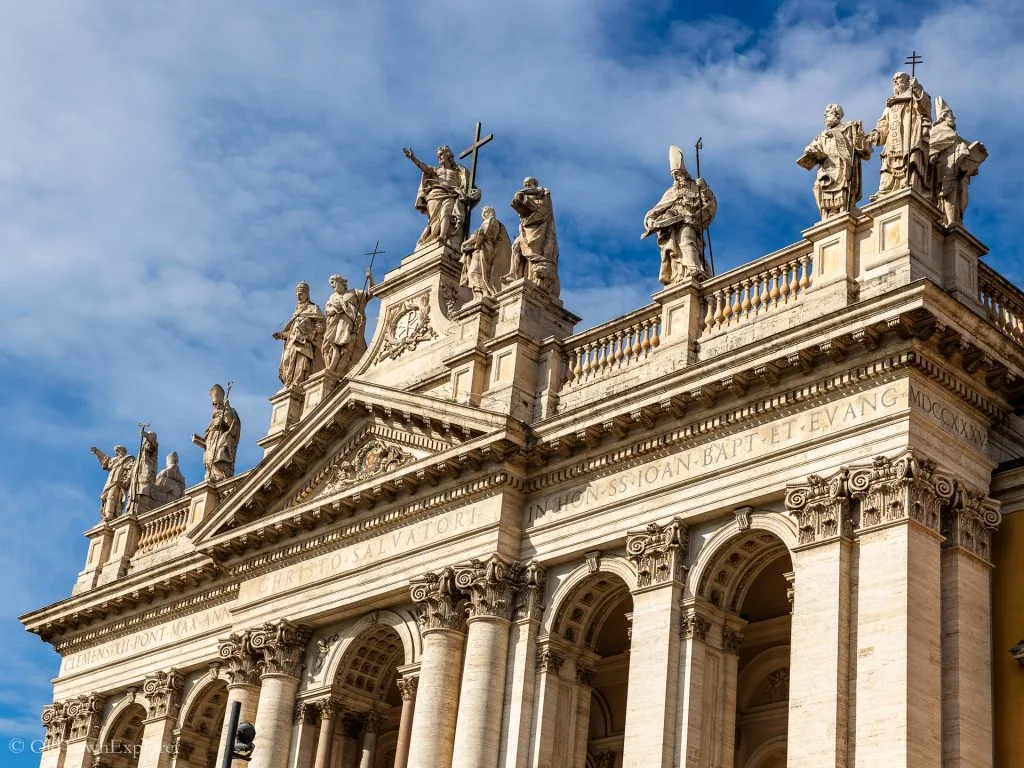
Architectural Styles
- Ancient Roman
- Early Christian and Byzantine
- Romanesque
- Gothic
- Renaissance and Mannerist
- Baroque and Rococo
- Neoclassical
UNESCO World Heritage Sites
Italy’s official UNESCO World Heritage list includes complete historic centers, archaeological areas, roads, religious buildings, royal residences, industrial settlements, and cultural landscapes. These properties fit especially well into trips centered on historic cities and architecture:
- Historic Centre of Rome, the Properties of the Holy See in that City Enjoying Extraterritorial Rights and San Paolo Fuori le Mura: Start in Rome for ancient monuments, early Christian basilicas, Renaissance palaces, Baroque churches, squares, fountains, and later national architecture.
- Historic Centre of Florence: Use Florence for the cathedral complex, civic palaces, bridges, churches, merchant buildings, and the main early Renaissance architecture route.
- Historic Centre of Siena: Add Siena for a compact medieval street plan, Piazza del Campo, brick civic buildings, and the cathedral complex.
- Venice and its Lagoon: Stay in Venice to see how churches, palaces, canals, bridges, islands, and lagoon engineering work as one urban landscape.
- Historic Centre of Naples: Use Naples for ancient street lines, medieval castles, Baroque churches, cloisters, palaces, dense residential blocks, and underground archaeological layers.
- Archaeological Areas of Pompei, Herculaneum and Torre Annunziata: Allow a separate day from Naples for Roman streets, houses, shops, baths, villas, gardens, wall paintings, and public buildings.
- The Porticoes of Bologna: Walk Bologna to compare medieval timber porticoes, masonry arcades, formal approaches, commercial streets, and twentieth-century structures.
- Genoa: Le Strade Nuove and the system of the Palazzi dei Rolli: The palace streets of Genoa connect Renaissance and Baroque façades with courtyards, staircases, reception rooms, and a dense maritime city.
- Residences of the Royal House of Savoy: Turin and the surrounding residences add Baroque planning, royal palaces, hunting lodges, gardens, and court architecture to a Piedmont trip.
- Portovenere, Cinque Terre, and the Islands (Palmaria, Tino and Tinetto): Villages, terraces, paths, churches, harbors, and coastal settlement patterns make Cinque Terre part of a cultural landscape rather than only a scenic rail stop.
- The Sassi and the Park of the Rupestrian Churches of Matera: Rock-cut dwellings, churches, lanes, cisterns, and the ravine create one of southern Italy’s most distinctive historic settlements.
- The Trulli of Alberobello: Dry-stone houses with conical roofs fit naturally into a Puglia road trip that also includes working towns, coastal stops, and Baroque Lecce.
- Arab-Norman Palermo and the Cathedral Churches of Cefalú and Monreale: This Sicilian property combines palaces, churches, cathedrals, mosaics, domes, and Islamic, Byzantine, and Norman building traditions.
- Via Appia. Regina Viarum: The ancient road is a serial property with surviving paving, bridges, tombs, settlements, villas, and engineering works between Rome and southern Italy.
Choose the properties that already fit your route. Serial sites such as the Via Appia and the Savoy residences cover several separate places and cannot be treated as one quick attraction.
Location of Italy
Italy is located in southern Europe, extending into the Mediterranean Sea as a long, boot-shaped peninsula. It borders France, Switzerland, Austria, and Slovenia to the north and surrounds the independent states of San Marino and Vatican City. Its coasts line the Adriatic, Ionian, Tyrrhenian, and Ligurian Seas.
Regional Overview of Italy
Italy is easier to plan through travel regions than through a list of twenty administrative regions. The groups below compare places that combine naturally and show when rail, driving, or a separate trip makes more sense.
Northwest Italy
Piedmont, Lombardy, Liguria, and the Aosta Valley combine Alpine valleys, major cities, lakes, royal architecture, port history, coastal villages, and important wine country. Turin is the main base for Piedmont food, wine, cafés, and Baroque streets. Como shifts the route toward the lakes, while Genoa and Cinque Terre bring Ligurian food, maritime architecture, coastal villages, and terraced vineyards.
Trains work well between the principal cities and along much of the Ligurian coast. A car becomes more valuable in the Langhe, Alpine valleys, and rural wine areas.
Northeast Italy and Emilia-Romagna
Veneto, Trentino-Alto Adige, Friuli-Venezia Giulia, and Emilia-Romagna cover the Venetian lagoon, Alpine valleys, food-producing plains, wine hills, Roman and Byzantine sites, porticoes, and borderland cities. Venice, Bologna, and Trieste give three sharply different city bases within the wider area.
Rail works well between the main cities. Drive when the trip depends on the Dolomites, Prosecco hills, Friulian vineyards, rural Emilia-Romagna, or several small towns in one day.
Central Italy
Tuscany, Umbria, Lazio, and Marche bring Rome’s ancient and Baroque layers together with Renaissance Florence, medieval Siena, walled Lucca, Umbrian hill towns, vineyards, and Apennine landscapes. Rome, Florence, and Bologna make the simplest first rail route. Siena, Lucca, Orvieto, and Perugia suit a slower stay in a smaller historic center.
Rail reaches the principal cities and many secondary towns. A car opens rural Tuscany, Umbrian villages, wine estates, and hill towns that are awkward to combine by bus.
Southern Italy
Campania, Puglia, Basilicata, Calabria, Molise, and Abruzzo combine Greek and Roman archaeology, Baroque towns, rock-cut settlements, mountain interiors, long coastlines, olive-growing areas, and strongly regional food. Naples is the main base for Campania, Pompeii, Herculaneum, and the Bay of Naples. Lecce works for Salento, Puglian Baroque, food, and wine.
For a shorter trip, choose Naples and Campania or Puglia and Basilicata rather than crossing the entire southern mainland. Rail covers several main corridors, but buses and cars matter more in smaller towns, mountain areas, and rural sections of Puglia, Basilicata, and Calabria.
Sicily and Sardinia
Sicily combines Palermo, Catania, Greek temples, Arab-Norman architecture, Baroque towns, Etna, beaches, food, and wine. Sardinia is more spread out, with prehistoric stone sites, rugged coasts, inland villages, pastoral food, and its own grapes and building traditions.
Each island is large enough for a dedicated trip. Flights save time from the mainland, ferries suit slower or car-based itineraries, and a rental car becomes valuable outside the main cities and rail corridors.
When to Visit Italy
The right season depends on the region and the main reason for traveling. Spring and fall suit city walks, food trips, and central rail routes. Summer fits coasts, islands, lakes, and high mountains but brings more heat to inland cities. Winter favors museums, cafés, major cities, and Alpine travel.
Spring (March–May)
Spring suits Rome, Florence, Bologna, Naples, Turin, Venice, and central Italian towns before the hottest part of the year. March can still feel cool and unsettled, while April and May make it easier to combine city walks with gardens, lakes, countryside, or the coast.
Bring layers and rain protection, especially when the route includes northern Italy, hill towns, or the mountains. Snow may remain at higher elevations after lower cities have moved into spring.
Summer (June–August)
Summer makes the most sense when the trip includes the Alps, Dolomites, lakes, islands, or seaside destinations. Rome, Florence, Bologna, Naples, and inland hill towns can be hot, and narrow centers such as Venice and the Cinque Terre concentrate visitors into limited space.
Plan exposed archaeological sites and long city walks for the morning or late afternoon. Check accommodation, ferry, and local transport availability early when the coast or islands are central to the trip.
Fall (September–November)
September can still support a city-and-coast trip, while October fits Piedmont, Tuscany, Emilia-Romagna, Umbria, Veneto, and other food or wine regions. Grapes, mushrooms, truffles, chestnuts, apples, and newly pressed olive oil become more visible at different points in the season.
Harvest activity and winery access vary by producer and year, so arrange vineyard visits directly rather than assuming every estate accepts visitors during harvest. November brings shorter days and a stronger shift toward museums, markets, cafés, and long meals.
Winter (December–February)
Winter works well for Rome, Naples, Bologna, Turin, Trieste, and other cities where churches, museums, cafés, markets, and restaurants can carry the trip. The Alps and Dolomites become separate winter destinations built around snow rather than historic-city walking.
Check seasonal opening and transport before choosing a small coastal or island base. Shorter daylight also makes long driving days, rural archaeological sites, and multi-stop countryside routes less practical.
Getting Around Italy
Use trains for the main city routes and add a car only where it solves a clear problem. Rome, Florence, Bologna, Venice, Turin, Milan, Naples, and many secondary cities fit a rail trip. Vineyards, hill towns, mountain valleys, rural Puglia, inland Sicily, and parts of Sardinia often need a bus, car, ferry, or organized excursion.
High-Speed Rail
Frecciarossa and Italo trains connect Rome, Naples, Florence, Bologna, Venice, Turin, Milan, and other major cities. Check the official Trenitalia and Italo sites for current routes, schedules, fares, and ticket conditions before booking.
High-speed rail makes an open-jaw trip practical: arrive in one city, continue north or south, and fly home from another instead of returning to the starting point.
Regional and Intercity Trains
Regional and Intercity trains reach many smaller cities, lake towns, coastal stops, and historic centers outside the high-speed network. They are especially valuable around Emilia-Romagna, Tuscany, Umbria, the Ligurian coast, Veneto, Friuli-Venezia Giulia, Campania, and the main Adriatic and southern rail corridors.
Check the final connection before booking accommodation. A town may have a railway station but still require a bus, taxi, steep walk, or separate transfer to reach the historic center or attraction.
Buses and Local Transit
Buses fill rail gaps in Puglia, Basilicata, Calabria, Sicily, Sardinia, mountain areas, and smaller towns. Each city or region uses its own operators and ticket systems, so there is no single national bus timetable that answers every route question.
Inside large cities, metros, trams, buses, and suburban trains often make a rental car unnecessary. Check the return service before relying on a late bus from a village, beach, winery area, or archaeological site.
Driving
A rental car makes the most sense for rural Tuscany and Umbria, the Langhe, Alpine valleys, the Dolomites, smaller Puglian towns, Basilicata, inland Sicily, Sardinia, and routes built around wineries or villages rather than railway stations.
Many historic centers have ZTL restricted-traffic zones. Rules and operating times vary by city, so read the signs before entering, ask whether your accommodation can register the vehicle, and park outside the restricted center when the access rule is unclear.
Ferries and Domestic Flights
Ferries matter for Sicily, Sardinia, Elba, the Bay of Naples islands, Venice’s lagoon, and many smaller island or coastal routes. Compare the departure port, seasonal timetable, crossing time, and onward transport before deciding that a ferry is simpler than flying.
Domestic flights save the most time between distant parts of mainland Italy and Sicily or Sardinia. They are less attractive on the Rome–Florence–Bologna–Venice corridor, where trains arrive close to the historic centers and avoid airport transfers.
Things to Know Before Visiting Italy
A few national facts are worth checking before departure. City transport, tourist taxes, opening hours, and access rules still need to be confirmed separately for each destination.
Language
Italy’s official EU language is Italian, written with the Latin alphabet. Basic Italian helps with menus, bakeries, markets, small hotels, rural stays, parking instructions, and local buses even when English is available at major attractions and transport hubs.
Money
Italy uses the euro (€). Carry a payment card, a backup card, and some euro cash for small purchases or a payment terminal that is not working.
Choose transactions in euros when a card terminal or cash machine asks whether to convert the charge into your home currency. Check the displayed exchange rate and fees before accepting any conversion.
Entry and Schengen
Entry rules depend on nationality, country of residence, trip purpose, and length of stay. Check the official Visa for Italy portal before departure rather than relying on an older country-specific visa list.
Italy is in the Schengen Area. Travelers covered by the standard short-stay rule may spend up to 90 days in any 180-day period across the Schengen Area as a whole, not 90 days in each member country.
Electricity
Italy operates on 230-volt electricity at 50 hertz, and Type C, F, and L plugs may be encountered. Bring an adapter that fits Italian outlets and check the voltage printed on each charger or appliance before plugging it in.
FAQs About Italy
These answers cover the choices that most often decide whether an Italy trip feels balanced or rushed.
How Many Days Do You Need in Italy?
Allow at least seven days for one compact route and ten to fourteen days for three or four bases in adjoining regions. Three weeks gives you more room to combine northern, central, and southern Italy without spending every second day changing hotels.
Count full days rather than destination names. Three nights in a city normally leave only two complete days once arrival and departure are removed.
What Is a Good First Route Through Italy?
Rome, Florence, and Bologna make a strong first rail route. They give three different combinations of ancient history, Renaissance art, medieval streets, architecture, markets, and regional food without requiring a car.
Add Venice when lagoon architecture is a priority. Add Naples when southern food and archaeology matter more. Adding both to a short trip creates a much longer north–south itinerary.
Should You Choose Rome, Florence, or Venice?
Choose Rome for the broadest mix of ancient sites, churches, museums, neighborhoods, and food. Choose Florence for Renaissance art and architecture in a smaller center. Choose Venice for canals, maritime history, churches, palaces, and a city plan found nowhere else in Italy.
Rome needs the most time, Florence combines naturally with Tuscany or Bologna, and Venice is more rewarding when you stay overnight rather than arriving only for the busiest part of the day.
Is Northern or Southern Italy Better for a First Trip?
Northern and central Italy are simpler for a first rail trip because Turin, Milan, Venice, Bologna, Florence, and Rome sit on strong intercity routes. Southern Italy suits travelers who place Naples, archaeology, Puglia, Baroque towns, coastlines, and regional food ahead of the easiest possible transport.
Choose the north and center for simpler city-to-city logistics. Choose the south when Naples, Campania, Puglia, Basilicata, Calabria, or the southern coast is the main reason for traveling rather than an addition to a northern itinerary.
Should Sicily or Sardinia Be Part of a First Italy Trip?
Either island can be part of a first trip, but each deserves several full days and works better as a main destination than as a quick add-on. Sicily suits travelers who want major cities, Greek archaeology, Arab-Norman and Baroque architecture, Etna, beaches, food, and wine. Sardinia fits a slower road trip built around coastlines, prehistoric sites, inland villages, and island food.
Leave the islands out of a short Rome–Florence–Venice trip. Add one when you can fly into or out of the island or give it a separate week.